








India Semiconductor Mission achieves a milestone as Prime Minister Narendra Modi inaugurates Micron’s ATMP facility in Sanand, Gujarat, boosting semiconductor manufacturing and employment.
Prime Minister Narendra Modi Inaugurates Micron’s Semiconductor ATMP Facility in Sanand, Gujarat
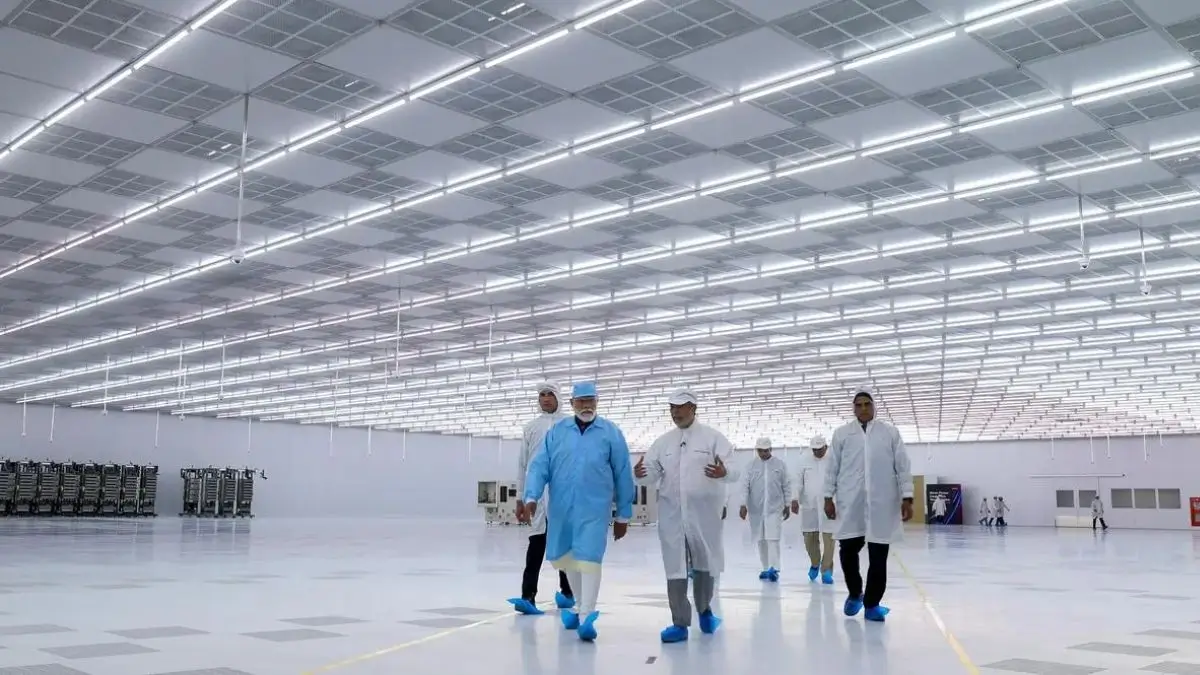
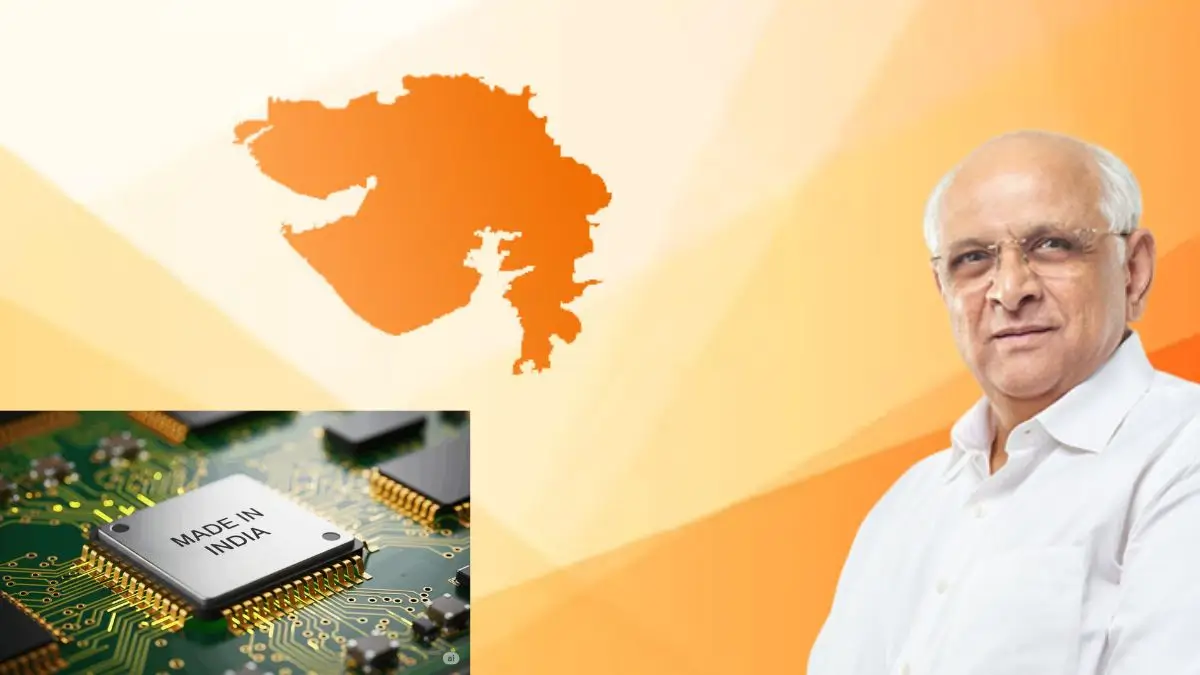
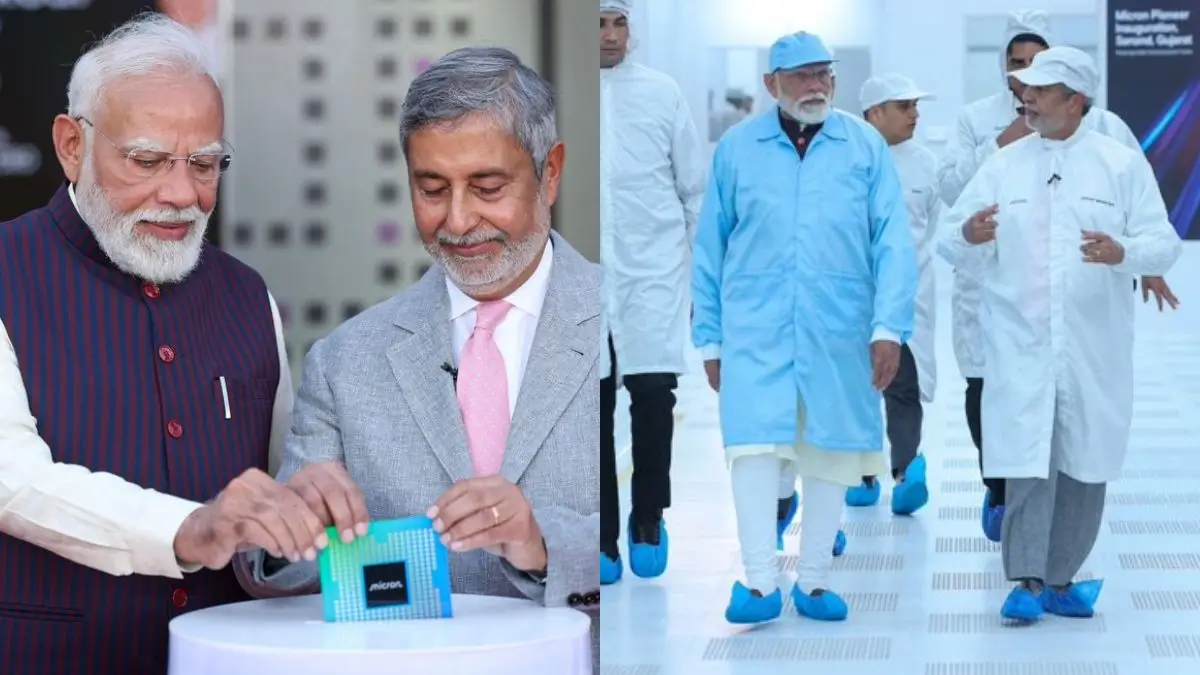
India took a significant leap toward becoming a global technology manufacturing hub when Prime Minister Narendra Modi inaugurated the semiconductor Assembly, Test, Marking and Packaging (ATMP) facility of Micron Technology in Sanand, Gujarat on 28 February 2026. This state‑of‑the‑art facility marks a major milestone in the country’s semiconductor journey, strengthening its role in the global value chain and boosting domestic manufacturing capabilities.
The Sanand ATMP facility is part of the India Semiconductor Mission (ISM), a government initiative to establish a robust semiconductor and electronics manufacturing ecosystem in India. With an investment of over ₹22,500 crore (around $2.7 billion), the facility will assemble, test, mark and package chips such as DRAM and NAND memory modules, which are essential components used in computers, smartphones, data‑centres, and other advanced technologies.
Spread across 500,000 square feet of cleanroom space — among the largest single raised‑floor cleanrooms in the world — the plant showcases cutting‑edge technology and advanced manufacturing processes. It has already begun commercial production and shipment of its first “Made in India” memory modules to global clients, including Dell Technologies.
In his address, PM Modi emphasized that this facility signifies India’s transition from a software‑centric economy to a more balanced hardware and software powerhouse, underlining the importance of semiconductors as the backbone of modern technology, especially in the AI and digital era — where chips are as critical as oil was in the previous century.
The plant is expected to generate around 5,000 direct jobs, along with numerous indirect opportunities in ancillary industries, supply chains, logistics, and skill development programs.

Why This News Is Important for Competitive Exams
Semiconductors are the heart of modern technology — powering everything from mobile phones and laptops to advanced defense systems and artificial intelligence applications. With geopolitical shifts and supply chain vulnerabilities globally, India has been working to reduce dependence on imports and strengthen domestic manufacturing capabilities.
The inauguration of Micron’s ATMP facility in Gujarat is a strategic milestone in India’s semiconductor roadmap. It demonstrates the government’s commitment to translating policy into action and attracting investment in high‑technology sectors under initiatives such as the India Semiconductor Mission (ISM).
This development has implications not just for technology and economy sections of competitive exams, but also for general awareness, economy and industry, and science & tech areas. Questions related to semiconductor policies, global supply chains, India’s manufacturing push, and flagship government missions are increasingly appearing in UPSC, SSC, Banking, Railways and other government exam papers.
Understanding this news equips aspirants with knowledge about India’s technological ambitions, strategic partnerships, and how advanced manufacturing can generate employment, reduce imports, and boost exports — all crucial themes in current affairs.
Historical Context: India’s Semiconductor Ecosystem Evolution
India historically has been more recognized for its strengths in IT services and software exports rather than advanced hardware manufacturing. Global semiconductor production is dominated by countries like Taiwan, South Korea, the US, and China, making India’s entry into this space significant for both technological autonomy and national security.
In 2021, the Government of India launched the Semiconductor Mission with a multi‑billion dollar incentive scheme to attract global semiconductor firms and build world‑class fabrication and packaging facilities in India. Sanand was chosen as one of the key locations due to its strong industrial infrastructure, proximity to Ahmedabad, and logistical advantages.
In June 2023, India and Micron signed a Memorandum of Understanding (MoU) for the Sanand project, and the groundbreaking ceremony was held later that year in September. Over the next three years, construction, installation of sophisticated processing equipment, and trial runs paved the way for the official inauguration in February 2026.
The growth of semiconductor manufacturing within India not only aligns with the Make in India initiative, but also supports global diversification of semiconductor supply chains — a priority for many nations after recent chip shortages during the COVID‑19 pandemic era.
Key Takeaways from “Micron Semiconductor ATMP Facility Inauguration”
| S. No. | Key Takeaway |
|---|---|
| 1. | Prime Minister Narendra Modi inaugurated the Micron Semiconductor ATMP facility in Sanand, Gujarat on 28 February 2026. |
| 2. | The plant signifies India’s entry into the global semiconductor value chain under the India Semiconductor Mission. |
| 3. | It has an investment of over ₹22,500 crore and features one of the world’s largest semiconductor cleanrooms. |
| 4. | The facility will assemble, test, mark and package DRAM and NAND chips for domestic and global markets. |
| 5. | It is expected to create around 5,000 direct jobs and drive growth in ancillary industries. |
FAQs: Frequently Asked Questions
Q1: What is the Micron Semiconductor ATMP facility in Sanand?
A1: The Micron Semiconductor ATMP (Assembly, Test, Marking, and Packaging) facility in Sanand, Gujarat, is a state-of-the-art plant for assembling and packaging memory chips such as DRAM and NAND, supporting India’s semiconductor manufacturing ecosystem.
Q2: When was the facility inaugurated and by whom?
A2: The facility was inaugurated on 28 February 2026 by Prime Minister Narendra Modi.
Q3: What is the total investment in the Micron Sanand facility?
A3: The total investment is approximately ₹22,500 crore (around $2.7 billion).
Q4: How many jobs is the facility expected to generate?
A4: The facility is expected to create around 5,000 direct jobs, along with indirect employment in ancillary industries and supply chains.
Q5: How does this facility contribute to India’s semiconductor mission?
A5: It strengthens India’s domestic semiconductor ecosystem under the India Semiconductor Mission (ISM), reduces dependency on imports, and positions India as a global player in advanced technology manufacturing.
Q6: Which products will the facility manufacture?
A6: The plant will produce DRAM and NAND memory chips, which are essential for computers, smartphones, servers, and AI applications.
Q7: Why is the semiconductor sector important for India?
A7: Semiconductors are critical for modern technology and national security. India’s investment in this sector will boost electronics manufacturing, exports, and technological self-reliance.
Q8: What global companies will benefit from this facility?
A8: Global tech firms, including Dell Technologies, will receive “Made in India” memory modules for their products.
Some Important Current Affairs Links