









India Malacca Strait Patrol support gains momentum as Singapore backs India’s participation, enhancing maritime security and Indo-Pacific cooperation with advanced technologies like AI and unmanned vessels.
India Gains Singapore’s Backing to Join Malacca Strait Patrols
Enhanced Maritime Collaboration
India has successfully secured Singapore’s formal support for its initiative to participate in the Malacca Strait Patrol (MSP), a longstanding maritime security framework originally comprising Indonesia, Malaysia, Singapore, and Thailand. This marks a pivotal shift—India could potentially transition from an external observer to an active contributor in a region critical to its seaborne trade and strategic interests.
India–Singapore Strategic Roadmap
During high-level discussions between Prime Minister Narendra Modi and Singapore’s Prime Minister Lawrence Wong, the two nations reaffirmed their commitment to intensifying maritime cooperation. The resulting roadmap emphasizes enhanced collaboration in defence technologies such as quantum computing, AI, automation, and unmanned vessels—sectors pivotal for modern maritime surveillance and operational readiness.
The Strategic Significance of the Malacca Strait
The Strait of Malacca is one of the world’s busiest and most strategically significant waterways. Approximately 60% of India’s maritime trade and nearly all of its liquefied natural gas (LNG) imports traverse this chokepoint. Its security has major implications for regional trade, energy security, and geopolitical stability. India’s geographic proximity—especially its presence in the Andaman & Nicobar region—makes its participation in safeguarding this route both practical and essential.
Adding Value to the MSP Framework
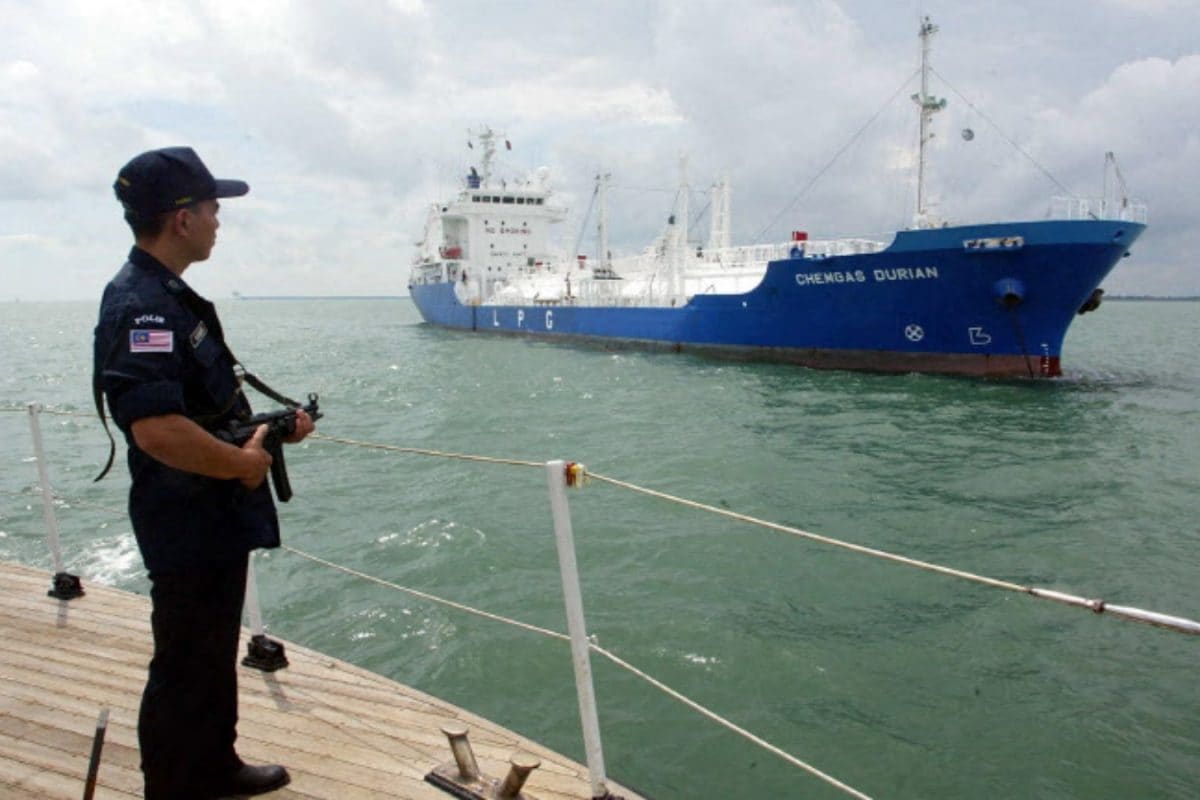
The Malacca Strait Patrol was initiated in 2004 to curb piracy, terrorism, and trafficking. It operates through coordinated naval patrols (“Sea Patrol”), aerial surveillance (“Eyes in the Sky”), and intelligence sharing (“Intelligence Exchange Group”). Since its inception, the MSP has reduced piracy incidents from hundreds annually to single digits. India’s inclusion would bolster this framework with additional assets, training, and intelligence-sharing capabilities—strengthening regional security without undermining ASEAN centrality.
Broader Regional and Geopolitical Impacts
Singapore’s endorsement signals a strategic tilt—bolstering multilateral maritime security without over-dependence on major powers like the US or China. For India, it enhances its role as a “net security provider” in the Indo-Pacific, aligning with its “Act East” policy and Indo-Pacific outlook. For ASEAN, it adds credibility and capability to the MSP. Looking forward, India’s entry may pave the way for other external stakeholders—like Japan or Australia—to participate.
B) Why This News Is Important
Strategic Trade Security
The Strait of Malacca is a maritime lifeline for India, facilitating around 60% of its seaborne trade and almost all LNG imports. Any disruption in its security can severely impact the nation’s energy and economic stability. India’s planned participation adds crucial oversight and stability.
Strengthening Maritime Partnerships
Delhi’s inclusion in the MSP represents a transformative step in regional security cooperation. It positions India as a proactive maritime partner rather than a bystander, fostering stronger ties with ASEAN nations and enhancing India’s strategic reach in the Indo-Pacific.
Technological and Defence Integration
The collaboration framework extends beyond patrolling—it encompasses cutting-edge technologies such as quantum computing, AI, automation, and unmanned systems. Shared innovation in these domains can boost India’s maritime capabilities and strengthen India–Singapore defence-tech partnerships.
Geopolitical Messaging
At a time of increasing Chinese naval assertiveness, India’s projected role in multilateral maritime operations sends a clear signal: the Indo-Pacific region values balanced, collective security frameworks. This move enhances India’s reputation as a stabilising force in the region.
Implications for Exam Preparation
For aspirants preparing for civil services, defence, police, banking, teaching, or railway exams, this development offers rich, current content to study—a confluence of geopolitical strategy, maritime security, and diplomatic nuance that’s highly relevant to general awareness sections.
C) Historical Context
Origin of the Malacca Strait Patrol (MSP)
The MSP was launched in 2004 by Indonesia, Malaysia, and Singapore to address growing threats like piracy, terrorism, and illicit trafficking in one of the busiest sea lanes globally. Thailand later joined the initiative, enhancing its regional scope.
Components of MSP
- Malacca Straits Sea Patrol: Coordinated naval patrolling across boundaries.
- Eyes-in-the-Sky: Joint aerial surveillance operations.
- Intelligence Exchange Group: Real-time sharing of maritime intelligence.
These coordinated efforts successfully reduced piracy from hundreds per year in the early 2000s to single digits today.
India’s Growing Regional Role
India’s security posture in the region has strengthened over the years—particularly through its maritime presence in the Andaman & Nicobar Islands and participation in exercises like SIMBEX and coordinated patrols like CORPAT. These demonstrate India’s increasing strategic engagement in Southeast Asia.
Indo–Singapore Defence Ties
India and Singapore have built defence cooperation since the early 1990s, exemplified by SIMBEX naval exercises, military pacts, and logistics agreements. These were foundational to today’s deeper collaboration within the MSP framework.
D) Key Takeaways from India–Singapore Malacca Strait News
Key Takeaways from “India’s MSP Participation”
| S. No. | Key Takeaway |
|---|---|
| 1 | India has secured Singapore’s formal backing to join the Malacca Strait Patrol initiative. |
| 2 | The MSP includes coordinated naval, aerial patrols, and intelligence-sharing among littoral states. |
| 3 | India’s involvement is significant due to Malacca’s importance in its seaborne trade and energy imports. |
| 4 | Collaboration covers advanced defence technologies: quantum computing, AI, automation, and unmanned vessels. |
| 5 | India’s inclusion enhances regional security architecture and its reputation as an Indo-Pacific security provider. |
FAQs: Frequently Asked Questions
1. What is the Malacca Strait Patrol (MSP)?
The Malacca Strait Patrol is a multilateral maritime security initiative launched in 2004 by Indonesia, Malaysia, and Singapore, later joined by Thailand. It aims to combat piracy, terrorism, and trafficking through coordinated naval patrols, aerial surveillance, and intelligence sharing.
2. Why is India’s participation in MSP significant?
India’s participation strengthens maritime security in one of the world’s busiest sea lanes. Around 60% of India’s seaborne trade and nearly all LNG imports pass through the Malacca Strait, making its security critical for India’s economic and energy interests.
3. What technologies are involved in India–Singapore maritime cooperation?
The collaboration includes advanced defence and maritime technologies like quantum computing, artificial intelligence (AI), automation, and unmanned vessels to enhance surveillance and operational efficiency.
4. How does India’s inclusion impact regional geopolitics?
India’s entry enhances its strategic role in the Indo-Pacific, supports ASEAN-led security frameworks, and demonstrates India’s capability as a “net security provider,” balancing regional powers like China.
5. What are the components of MSP operations?
MSP operations include:
- Sea Patrol: Coordinated naval patrols by member nations.
- Eyes in the Sky: Aerial surveillance across the strait.
- Intelligence Exchange Group: Sharing real-time maritime intelligence to prevent threats.
6. Which Indian regions are strategically important for MSP?
The Andaman & Nicobar Islands are crucial for India’s surveillance and rapid deployment in the Malacca Strait due to their proximity.
Some Important Current Affairs Links