










India forex reserves rise 2026 as RBI reports reserves reaching $682.32 billion despite a decline in gold holdings. Learn key facts, significance, historical background, MCQs, and exam-oriented insights for UPSC, SSC, Banking, Railway, Defence, and State PSC exams.
India’s Forex Reserves Rise to $682.32 Billion Despite Decline in Gold Holdings
Introduction: A Positive Signal for India’s External Sector
India’s foreign exchange (forex) reserves increased by $938 million to reach $682.32 billion during the week ending May 29, according to data released by the Reserve Bank of India (RBI). The rise came despite a decline in the value of the country’s gold reserves, highlighting the strength of foreign currency assets and the resilience of India’s external financial position.
The development is significant because forex reserves act as a financial buffer that helps a country manage external shocks, stabilize its currency, and maintain investor confidence.
What Are Foreign Exchange Reserves?
Foreign exchange reserves are assets held by a country’s central bank in foreign currencies. These reserves typically include:
- Foreign Currency Assets (FCA)
- Gold Reserves
- Special Drawing Rights (SDRs)
- Reserve Position in the International Monetary Fund (IMF)
The RBI maintains these reserves to support the value of the Indian Rupee, meet international payment obligations, and ensure financial stability.
Key Highlights of the Latest RBI Data
According to RBI data, India’s forex reserves rose to $682.32 billion after experiencing a sharp decline in the previous reporting week. The increase was mainly driven by growth in foreign currency assets, which form the largest component of the reserve portfolio.
Foreign currency assets increased by approximately $3.1 billion to around $546 billion. However, gold reserves declined by more than $2 billion, partially offsetting the gains made through foreign currency holdings.
Decline in Gold Holdings
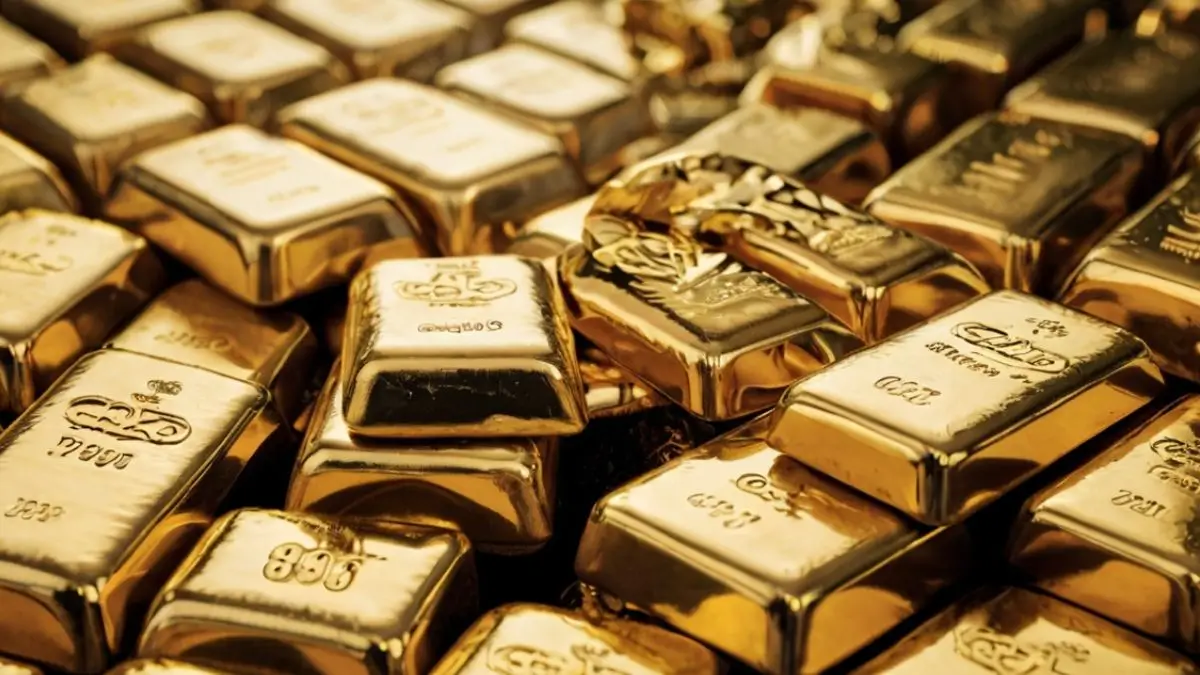
One notable aspect of the latest reserve data is the decline in the value of gold reserves. Gold reserves fell to approximately $112.6 billion during the reporting period. Analysts attribute such movements largely to fluctuations in international gold prices and valuation effects.
Recently, speculation emerged regarding whether the RBI had sold part of its gold holdings. However, the RBI officially clarified that India’s physical gold stock remained unchanged and denied reports suggesting large-scale gold sales.
Importance of Foreign Currency Assets
Foreign currency assets account for the largest share of India’s forex reserves. These assets include holdings of major global currencies such as the US Dollar, Euro, Pound Sterling, and Japanese Yen.
The increase in foreign currency assets indicates improved reserve management and provides additional support to the Indian economy during periods of global uncertainty.
Role of Forex Reserves in Supporting the Rupee
The RBI often uses forex reserves to intervene in currency markets when excessive volatility affects the Indian Rupee. By buying or selling foreign currencies, the central bank can reduce sharp fluctuations and maintain orderly market conditions.
Strong reserves provide confidence to investors and help protect the economy against sudden capital outflows, geopolitical tensions, and global financial instability.
India’s Position Among Major Economies
India continues to maintain one of the world’s largest foreign exchange reserve holdings. Although current reserves remain below the record level of $728.49 billion achieved earlier, the stockpile is considered sufficient to cover several months of imports and external debt obligations.
Such a strong reserve position strengthens India’s macroeconomic stability and enhances its credibility in international financial markets.
Impact on Competitive Examinations
Questions related to forex reserves, RBI functions, gold reserves, IMF, SDRs, and monetary policy frequently appear in UPSC, State PSC, Banking, SSC, Railway, Defence, and other government recruitment examinations.
Candidates should remember:
- Latest forex reserves: $682.32 billion.
- Reserves increased by $938 million.
- Foreign currency assets rose.
- Gold reserves declined in value.
- RBI denied reports of selling gold reserves.

Why This News Is Important
Important for Banking and Economic Awareness
Forex reserves are a key indicator of a country’s economic health. Banking examinations such as IBPS, SBI, RBI Grade B, NABARD, and LIC frequently include questions related to foreign exchange reserves, RBI policies, and international financial institutions.
Understanding the composition and movement of forex reserves helps candidates grasp broader concepts related to monetary policy and economic stability.
Relevance for UPSC and State PSC Examinations
Civil Services examinations often test candidates on current economic developments. The increase in India’s forex reserves reflects the country’s ability to manage external sector risks and maintain currency stability.
The issue also connects with topics such as balance of payments, exchange rate management, international trade, and global financial markets.
Significance Amid Global Uncertainty
Global geopolitical tensions, fluctuating oil prices, and capital flow movements can put pressure on national currencies. Strong forex reserves help India withstand these challenges and provide confidence to international investors.
Therefore, the latest increase in reserves is viewed as a positive development for India’s economic resilience and financial stability.
Historical Context
Evolution of India’s Forex Reserves
India’s foreign exchange reserve management has evolved significantly since the Balance of Payments crisis of 1991. During that crisis, India had reserves sufficient for only a few weeks of imports.
Economic reforms introduced after 1991 encouraged exports, foreign investment, and greater integration with global markets, leading to substantial growth in forex reserves.
RBI’s Reserve Management Strategy
Over the years, the RBI has diversified reserve holdings across foreign currencies, gold, SDRs, and IMF reserve positions. Gold has gained increasing importance as a strategic reserve asset due to its ability to act as a hedge against global uncertainties.
The RBI regularly adjusts reserve composition while maintaining adequate liquidity and safety.
Record High Forex Reserves
India achieved its highest-ever forex reserve level of approximately $728.49 billion earlier. While reserves have moderated since then due to currency market interventions and global developments, they remain among the highest globally.
Key Takeaways from This News
| S. No. | Key Takeaway |
|---|---|
| 1 | India’s forex reserves increased by $938 million to reach $682.32 billion. |
| 2 | Foreign Currency Assets (FCA) rose by about $3.1 billion and drove the overall increase. |
| 3 | Gold reserves declined in value to around $112.6 billion during the reporting week. |
| 4 | RBI clarified that it did not sell gold reserves despite media speculation. |
| 5 | India continues to maintain one of the world’s largest forex reserve stockpiles, strengthening economic stability. |
FAQs: Frequently Asked Questions
1. What are foreign exchange (forex) reserves?
Foreign exchange reserves are assets held by a country’s central bank in foreign currencies. They include Foreign Currency Assets (FCA), gold reserves, Special Drawing Rights (SDRs), and the Reserve Position in the IMF.
2. What is India’s latest forex reserve level?
India’s forex reserves increased to $682.32 billion, according to the latest data released by the Reserve Bank of India (RBI).
3. Which institution manages India’s forex reserves?
The Reserve Bank of India (RBI) is responsible for managing and maintaining India’s foreign exchange reserves.
4. What are the major components of India’s forex reserves?
The major components are:
- Foreign Currency Assets (FCA)
- Gold Reserves
- Special Drawing Rights (SDRs)
- Reserve Position in the International Monetary Fund (IMF)
5. What are Foreign Currency Assets (FCA)?
Foreign Currency Assets are holdings of foreign currencies such as the US Dollar, Euro, Pound Sterling, and Japanese Yen that form the largest component of India’s forex reserves.
6. Why are forex reserves important for a country?
Forex reserves help:
- Stabilize the domestic currency
- Meet international payment obligations
- Boost investor confidence
- Manage external economic shocks
- Support imports during crises
7. Why did India’s forex reserves increase recently?
The increase was mainly due to a rise in Foreign Currency Assets, which offset the decline in gold reserves.
8. What are Special Drawing Rights (SDRs)?
SDRs are international reserve assets created by the IMF to supplement the official reserves of member countries.
9. What was India’s highest-ever forex reserve level?
India’s highest-ever forex reserve level was approximately $728.49 billion.
10. Why is this topic important for competitive examinations?
Questions related to RBI, forex reserves, IMF, SDRs, monetary policy, and economic indicators are frequently asked in UPSC, State PSC, SSC, Banking, Railway, Defence, and other government examinations.
Some Important Current Affairs Links




