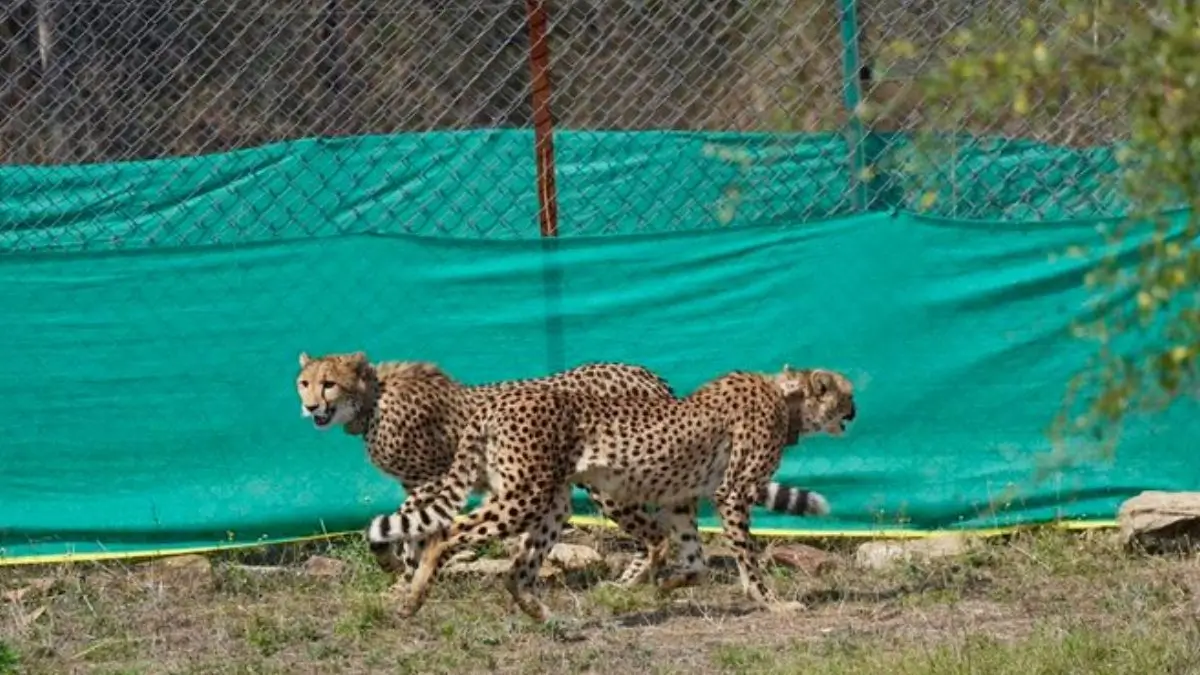







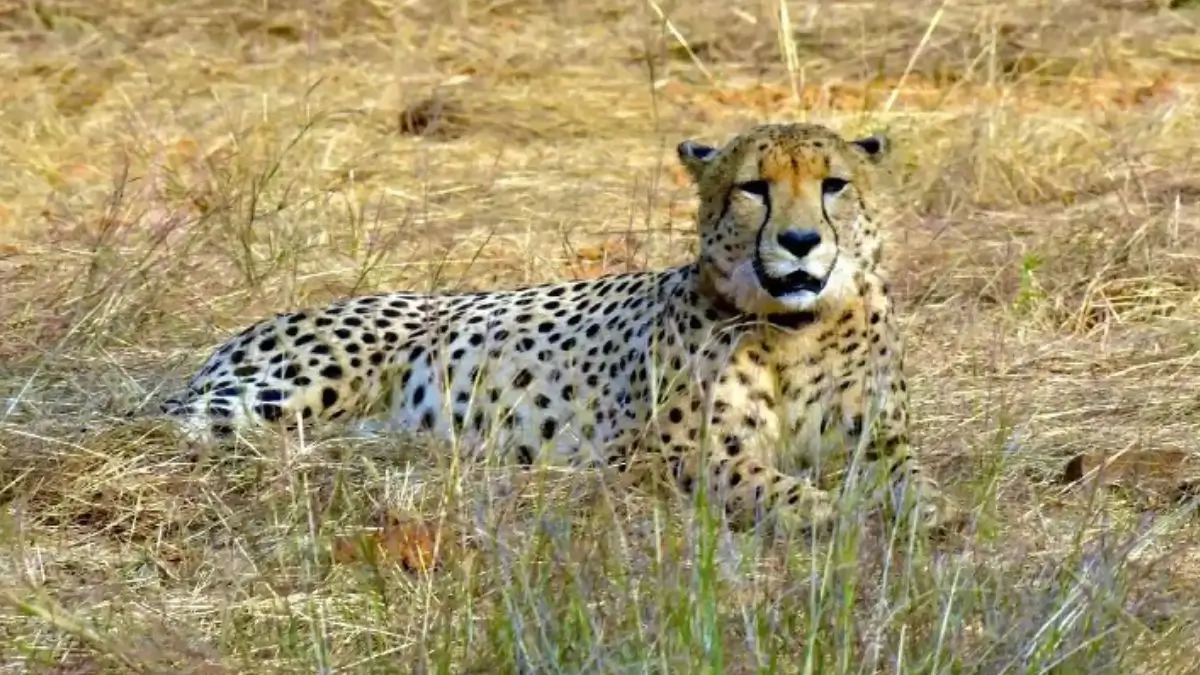
India-born adult cheetah Mukhi at Kuno National Park marks a historic milestone under Project Cheetah. Learn about conservation efforts, cheetah reintroduction, and biodiversity in India.
🐆 Mukhi Becomes India’s First India-Born Adult Cheetah at Kuno National Park
Introduction: A Historic Milestone in Wildlife Conservation
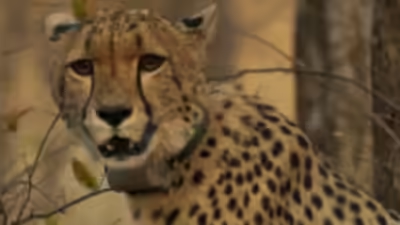
On September 29, 2025, Mukhi, a female cheetah born at Kuno National Park in Madhya Pradesh, achieved a significant milestone by reaching adulthood at 30 months (915 days) old. She is the first cheetah born in India under the ambitious Project Cheetah to survive to adulthood, marking a pivotal moment in the nation’s wildlife conservation efforts.
Project Cheetah: Reviving the Cheetah Population in India
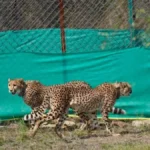
Project Cheetah was launched on September 17, 2022, with the release of eight Namibian cheetahs into Kuno National Park. This initiative aimed to reintroduce cheetahs to India, where they had been extinct since the 1950s. Mukhi’s birth on March 29, 2023, to Namibian cheetah Jwala was a significant achievement, as it marked the first cheetah birth in India under this project. Despite the loss of her three siblings due to extreme heat, Mukhi’s survival and growth signify the success of the reintroduction program.
Mukhi’s Growth and Significance
Mukhi’s transition to adulthood is a testament to the adaptability of cheetahs in Indian ecosystems. Her survival rate, despite the challenges faced, underscores the potential for establishing a self-sustaining cheetah population in India. As of now, there are 27 cheetahs in India, with 16 born locally, and a cub survival rate exceeding 61%, surpassing the global average of 40%.
Future Prospects and Expansion
The success of Mukhi and other cheetahs born in India has paved the way for expanding the reintroduction program. Plans are underway to introduce 8–10 more cheetahs from African countries like Botswana and Namibia by December 2025 to strengthen the gene pool. Additionally, efforts are being made to establish a cheetah corridor between Madhya Pradesh and Rajasthan to facilitate the movement and breeding of cheetahs.
🧠 Why This News Is Important
Significance for Wildlife Conservation
Mukhi’s survival and maturation represent a significant achievement in India’s wildlife conservation history. Her development indicates that cheetahs can adapt to Indian habitats, providing hope for the successful reintroduction of other extinct species.
Implications for Biodiversity
The establishment of a self-sustaining cheetah population will enhance biodiversity in Indian ecosystems. Cheetahs play a crucial role in maintaining the balance of the food chain, and their presence can positively impact other species.
Educational Value for Students
For students preparing for government exams, understanding the nuances of Project Cheetah and Mukhi’s journey offers insights into wildlife conservation strategies, intercontinental species relocation, and the challenges of reintroducing extinct species. This knowledge is pertinent for subjects like General Studies, Environment, and Ecology in various competitive exams.
📜 Historical Context: The Return of the Cheetah to India
Cheetahs were once native to India but became extinct in the 1950s due to habitat loss, hunting, and other human activities. In 2022, the Indian government initiated Project Cheetah to reintroduce the species, marking the world’s first intercontinental relocation of a large carnivore. The project began with the import of eight cheetahs from Namibia, followed by 12 from South Africa in 2023. Mukhi’s birth in 2023 was the first successful cheetah birth in India under this project, symbolizing a significant step towards restoring the species to its native land.
📊 Key Takeaways from “Mukhi Becomes India’s First India-Born Adult Cheetah at Kuno”
| No. | Key Takeaway |
|---|---|
| 1 | Mukhi, born in March 2023 at Kuno National Park, is the first India-born cheetah to reach adulthood. |
| 2 | Project Cheetah aims to reintroduce cheetahs to India, where they became extinct in the 1950s. |
| 3 | The cub survival rate at Kuno National Park exceeds 61%, surpassing the global average of 40%. |
| 4 | Plans are underway to introduce 8–10 more cheetahs from African countries to strengthen the gene pool. |
| 5 | A cheetah corridor between Madhya Pradesh and Rajasthan is being developed to facilitate cheetah movement. |
📝 FAQs: Mukhi – India’s First India-Born Adult Cheetah
Q1: Who is Mukhi in the context of Indian wildlife?
A: Mukhi is the first India-born cheetah at Kuno National Park to reach adulthood under Project Cheetah.
Q2: When was Mukhi born?
A: Mukhi was born on March 29, 2023.
Q3: What is Project Cheetah?
A: Project Cheetah is a government initiative to reintroduce cheetahs in India after their extinction in the 1950s.
Q4: Where is Kuno National Park located?
A: Kuno National Park is in Madhya Pradesh, India.
Q5: How many cheetahs are currently in India?
A: As of now, India has 27 cheetahs, with 16 born locally.
Q6: Why is Mukhi’s survival significant?
A: Mukhi’s survival indicates cheetahs can adapt to Indian habitats and shows the success of reintroduction efforts.
Q7: What measures are planned to support cheetah populations in India?
A: More cheetahs are being introduced from African countries, and a cheetah corridor between Madhya Pradesh and Rajasthan is being developed.
Q8: How does Mukhi’s survival rate compare to global standards?
A: The cub survival rate at Kuno is 61%, higher than the global average of 40%.
Some Important Current Affairs Links