







India biodiversity project UNDP GEF partnership 2025 explained with objectives, key regions, exam relevance, MCQs and important facts for UPSC, SSC and other government exams.
- Government Schemes
- International Organizations (UNDP, GEF)
- Sustainable Development Goals (SDGs)
Questions may be asked about:
- Role of GEF and UNDP
- Biodiversity conservation strategies
- Grassroots governance models
Global Environmental Context
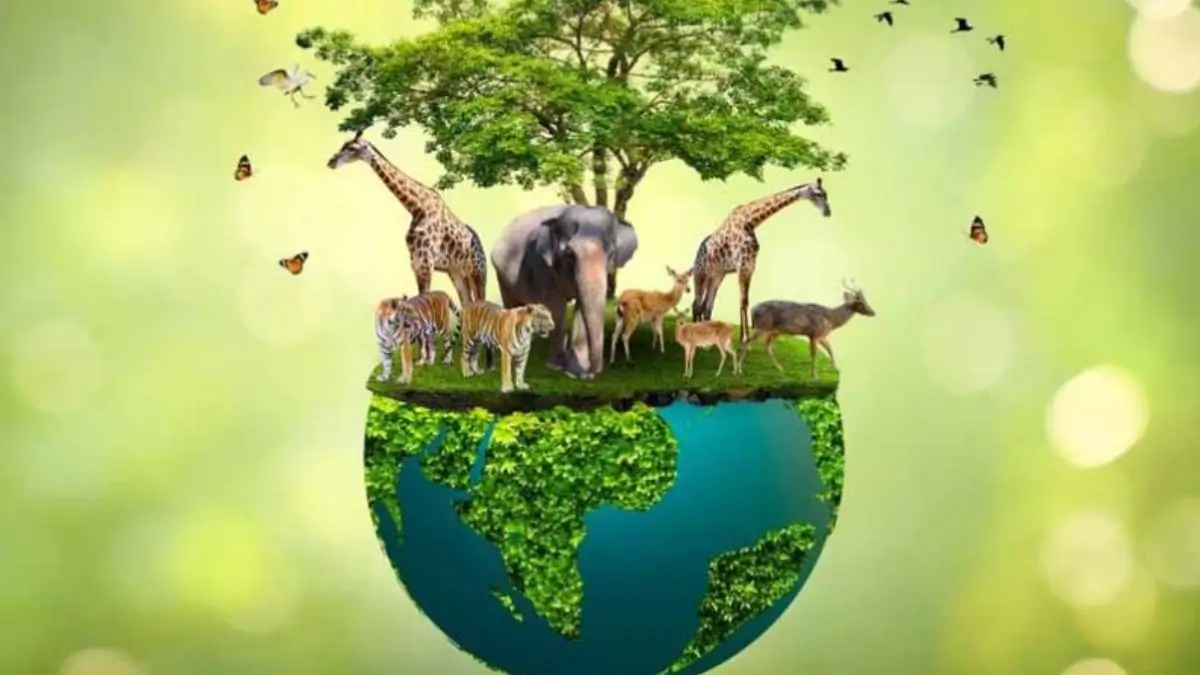
With biodiversity loss becoming a global crisis, initiatives like this demonstrate how developing countries can combine local knowledge with global funding mechanisms to address environmental challenges effectively.
Economic and Social Impact
The project links biodiversity conservation with livelihood generation, ensuring that environmental protection also leads to economic benefits for rural communities. This integrated approach is key for sustainable development.

Historical Context
Evolution of Biodiversity Conservation in India
India has a long history of biodiversity conservation, starting with the Biological Diversity Act, 2002, which established institutional mechanisms like the National Biodiversity Authority (NBA), State Biodiversity Boards (SBBs), and Biodiversity Management Committees (BMCs).
Global Environmental Partnerships
The Global Environment Facility was established in 1991 as a multilateral funding body to support environmental projects worldwide. It has since become the largest financial mechanism for biodiversity conservation.
The United Nations Development Programme has been a key implementing agency for GEF projects, helping countries integrate environmental sustainability into development policies.
India’s Previous Initiatives
India has previously collaborated with UNDP under initiatives like:
- BIOFIN (Biodiversity Finance Initiative) launched in 2015
- National Biodiversity Action Plans aligned with global frameworks
These initiatives laid the foundation for the current project by identifying funding gaps and strengthening policy frameworks.
Key Takeaways from This News
| S. No. | Key Takeaway |
|---|---|
| 1 | India launched a biodiversity project in partnership with UNDP and GEF with a $4.88 million grant. |
| 2 | The project duration is 2025–2030 and focuses on grassroots biodiversity governance. |
| 3 | Key implementation areas include Tamil Nadu (Sathyamangalam) and Meghalaya (Garo Hills). |
| 4 | The initiative integrates biodiversity into Gram Panchayat Development Plans (GPDPs). |
| 5 | It aligns with global frameworks like the Kunming-Montreal Biodiversity Framework and India’s NBSAP. |
Frequently Asked Questions (FAQs)
1. What is the main objective of the biodiversity project launched by India?
The primary objective is to strengthen institutional capacity for biodiversity conservation by integrating it into local governance systems like Gram Panchayat Development Plans (GPDPs).
2. Which international organizations are partnering with India in this project?
India has partnered with the United Nations Development Programme and the Global Environment Facility.
3. What is the duration and funding of the project?
The project will run from 2025 to 2030 and is funded with approximately USD 4.88 million.
4. Which regions are selected for the implementation of the project?
The project focuses on biodiversity-rich regions such as Sathyamangalam in Tamil Nadu and the Garo Hills in Meghalaya.
5. What are Biodiversity Management Committees (BMCs)?
BMCs are local-level statutory bodies established under the Biological Diversity Act, 2002, responsible for conservation and sustainable use of biodiversity.
6. How does this project benefit local communities?
It promotes livelihood opportunities through sustainable practices, green enterprises, and benefit-sharing mechanisms.
7. Which global framework is this initiative aligned with?
It aligns with the Kunming-Montreal Global Biodiversity Framework and India’s National Biodiversity Strategy and Action Plan (NBSAP).
8. Why is biodiversity conservation important for India?
India is one of the world’s megadiverse countries, and conservation is essential for ecological balance, climate resilience, and sustainable development.
Some Important Current Affairs Links