








IAF–RTAF joint air exercise near Malacca Strait 2026 enhances aerial combat readiness, maritime security, and cooperation under India’s Act East Policy. Key details, aircraft, and MRFA updates included.
IAF–RTAF Joint Air Exercise Near Malacca Strait Amid Saab’s MRFA Pitch | Current Affairs 2026
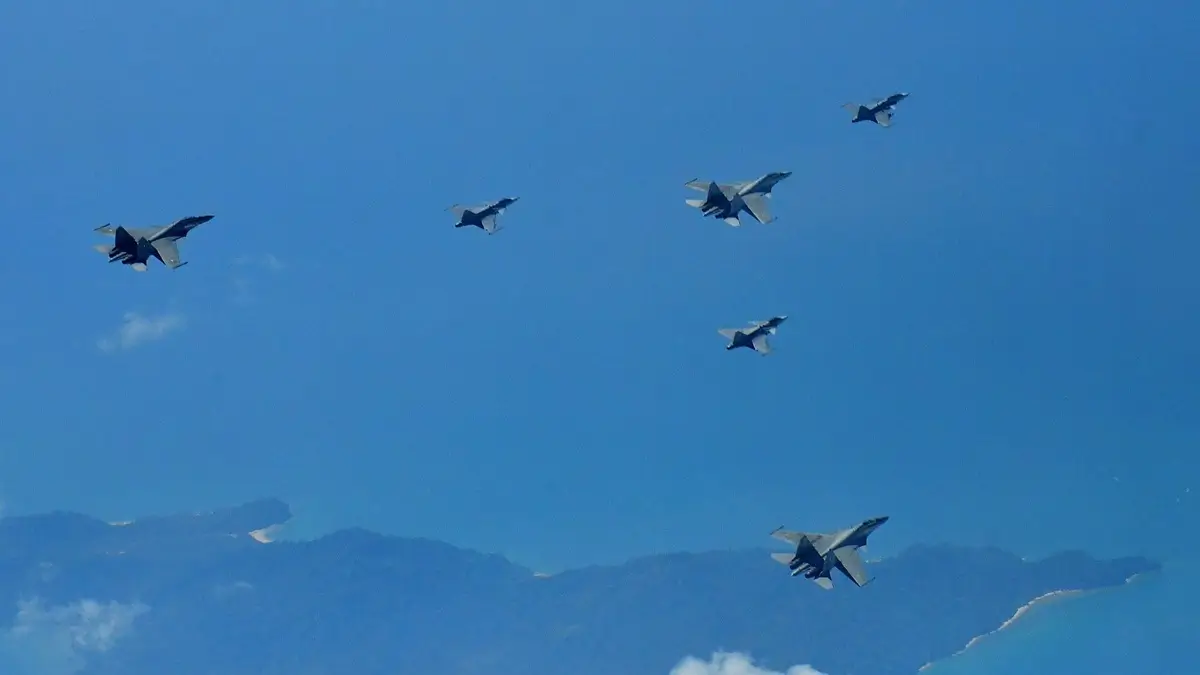
The Indian Air Force (IAF) recently conducted a significant joint air exercise with the Royal Thai Air Force (RTAF) near the strategically critical Strait of Malacca. This drill marks the first international air exercise undertaken by the IAF in 2026 and underscores India’s expanding defence cooperation with Southeast Asian nations.
Strategic Objective of the IAF–RTAF Exercise
The primary aim of this joint drill was to enhance operational coordination and interoperability between the two air forces. IAF deployed multiple frontline elements including Su‑30MKI multirole fighters, AWACS (Airborne Warning and Control System), AEW&C (Airborne Early Warning & Control) aircraft, and IL‑78 mid‑air refuelling tankers. On the other side, RTAF participated with JAS 39 Gripen fighter jets. These diverse platforms helped simulate real‑world complex aerial scenarios involving refuelling, surveillance, and long‑range mission execution.
Why the Malacca Strait Matters
The Strait of Malacca is one of the world’s most important maritime chokepoints. It is a narrow stretch of water that connects the Indian Ocean to the South China Sea and Pacific Ocean. Nearly one‑quarter of global seaborne trade and a major portion of energy shipments pass through this route. Any disruption here could significantly impact global trade and energy supplies—particularly affecting major economies like China and Japan.
For India, operations near this region reflect not just military readiness but also a proactive stance in ensuring freedom of navigation and maritime security in the broader Indo‑Pacific region. The exercise further supports India’s “Act East Policy” aimed at strengthening defence cooperation with ASEAN member states.
Participation and Key Focus Areas
The exercise emphasised aerial combat manoeuvres, mid‑air refuelling, maritime surveillance integration, and coordinated mission planning. The involvement of AWACS and AEW&C systems provided advanced command and control capabilities, enabling seamless communication and joint decision‑making during high‑tempo scenarios.
Saab’s Gripen Pitch and MRFA Programme
The joint exercise comes at a time when Swedish defence manufacturer **Saab AB is actively pitching its Gripen‑E/F fighter jets to India under the Multirole Fighter Aircraft (MRFA) programme, which aims to acquire 114 multirole combat aircraft for the IAF. Saab’s proposal includes advanced sensor fusion, AI‑enabled combat systems, and options for local manufacturing under the Make in India initiative—boosting India’s indigenous aerospace ecosystem.
Implications for India’s Defence Strategy
This exercise reflects India’s intent to expand defence ties with friendly nations, enhance aerial combat readiness, and secure strategic interests in the Indo‑Pacific. The synergy between IAF and RTAF in complex scenarios enhances mutual trust and strengthens India’s diplomatic and military presence in Southeast Asia.

Why This News is Important (Explained)
Strengthening India‑ASEAN Defence Cooperation
The IAF–RTAF joint air exercise near the Malacca Strait signifies a strengthening of defence cooperation between India and Thailand—reflecting shared security concerns in the Indo‑Pacific region. Enhanced interoperability between air forces supports coordinated responses to regional threats and fosters mutual trust between friendly nations.
Strategic Significance of the Malacca Strait
The Strait of Malacca holds immense strategic importance as a major maritime trade route. It is a vital link for energy and commercial shipments between the Indian Ocean and East Asia. India’s participation in drills near this chokepoint demonstrates its commitment to preserving freedom of navigation and promoting regional stability, which are critical for global trade and economic security.
Impact on India’s Defence Modernization
This exercise arrives at a crucial time when India’s air combat capabilities are undergoing modernisation through the MRFA programme. Saab’s active pitch for its Gripen aircraft highlights global interest in defence collaboration with India. Successful bilateral drills strengthen India’s case for strategic partnerships and future acquisitions while signaling readiness to integrate advanced technologies.
Broader Geopolitical Context
As geopolitical competition increases in the Indo‑Pacific, joint military exercises function as tools of diplomacy and deterrence. India’s engagement with ASEAN partners enhances regional balance, helping counterbalance potential threats and contributing to shared security objectives among like‑minded nations.
Historical Context: India’s Defence Engagements in the Indo‑Pacific
India has continuously expanded its military partnerships in the Indo‑Pacific region through a series of joint exercises and operational collaborations. Since adopting the Look East Policy (later updated to Act East Policy), India has actively engaged Southeast Asian nations in defence dialogues and drills. The agreement for regular joint exercises with Thailand dates back to around 2012, institutionalising military cooperation in areas such as maritime patrols, training exchanges, and crisis responses. This reflects India’s long‑standing efforts to build strategic depth in its neighbourhood and contribute to security architectures in the broader region.
Key Takeaways from IAF–RTAF Joint Air Exercise Near Malacca Strait
| S.No. | Key Takeaway |
|---|---|
| 1 | The IAF conducted its first international air exercise of 2026 with the RTAF near the Strait of Malacca. |
| 2 | The exercise focused on enhancing interoperability and operational coordination between the two air forces. |
| 3 | Strategic assets such as Su‑30MKI, AWACS, AEW&C and IL‑78 tankers took part in the drills. |
| 4 | The Malacca Strait is a key maritime chokepoint critical for global trade and energy shipments. |
| 5 | Saab’s Gripen‑E/F is being pitched to India for the MRFA programme, supporting defence modernisation. |
FAQs: Frequently Asked Questions
1. What is the IAF–RTAF joint air exercise?
The IAF–RTAF joint air exercise is a bilateral military drill conducted between the Indian Air Force and the Royal Thai Air Force near the Malacca Strait to enhance operational coordination, interoperability, and aerial combat readiness.
2. Why is the Malacca Strait strategically important?
The Malacca Strait is one of the world’s most crucial maritime chokepoints, connecting the Indian Ocean to the South China Sea. Nearly one‑quarter of global seaborne trade, including major energy shipments, passes through this narrow passage.
3. Which aircraft participated in the IAF–RTAF exercise?
IAF deployed Su‑30MKI fighters, AWACS, AEW&C aircraft, and IL‑78 mid‑air refuelling tankers, while RTAF participated with JAS 39 Gripen fighter jets.
4. How is this exercise related to India’s MRFA programme?
The exercise coincided with Saab AB pitching its Gripen‑E/F fighter jets to India under the Multirole Fighter Aircraft (MRFA) programme, which aims to acquire 114 modern combat aircraft.
5. How does this exercise impact India’s defence strategy?
It strengthens India’s defence ties with Southeast Asian nations, improves joint operational capability, ensures maritime security in the Indo‑Pacific, and supports India’s Act East Policy.
6. What is the Act East Policy?
India’s Act East Policy focuses on enhancing economic, strategic, and cultural ties with Southeast Asian countries and improving regional security cooperation.
7. What capabilities were emphasized in the exercise?
Key focus areas included aerial combat manoeuvres, mid‑air refuelling, maritime surveillance integration, and coordinated mission planning using AWACS and AEW&C systems.
Some Important Current Affairs Links