



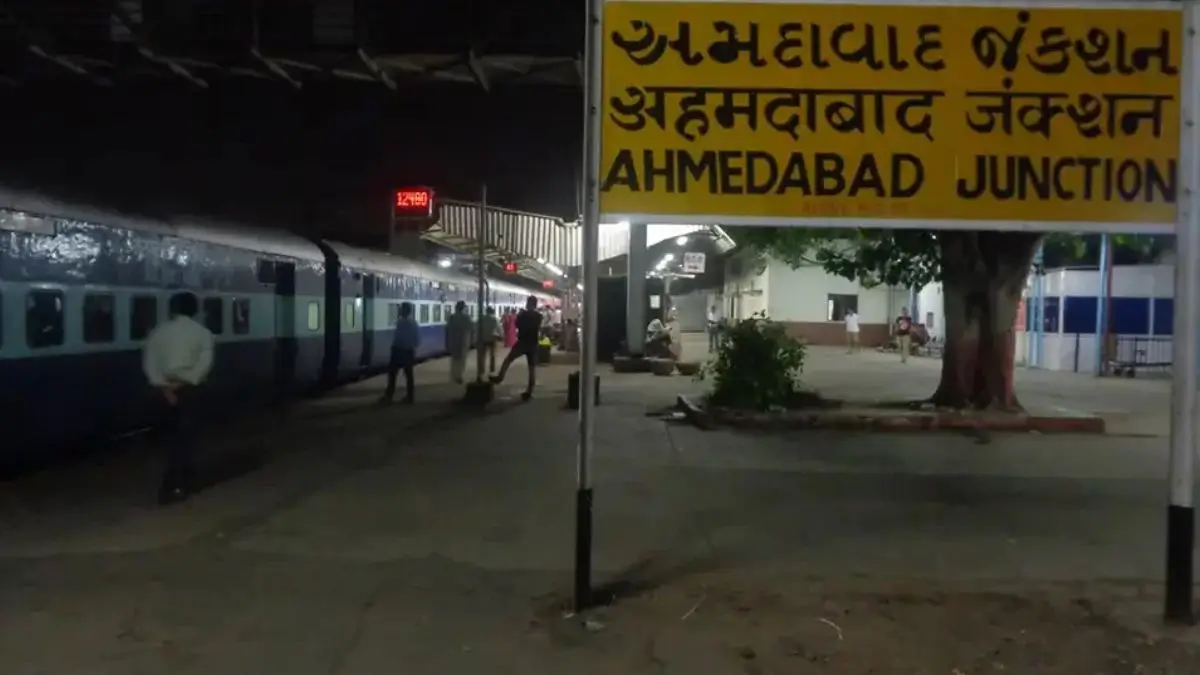
Water neutral railway depot India Ahmedabad Kankaria achieves major sustainability milestone with water recycling technology saving 1.60 lakh litres daily.
Ahmedabad’s Kankaria Coaching Depot Becomes India’s First Water-Neutral Railway Depot
Introduction to the Landmark Achievement
The Kankaria Coaching Depot has achieved a historic milestone by becoming India’s first water-neutral railway depot. This development reflects a major step forward in sustainable infrastructure under Indian Railways. The concept of water neutrality means that the depot treats and reuses as much water as it consumes, thereby eliminating dependence on external freshwater sources.
What is Water Neutrality in Railways?
Water neutrality refers to a system where wastewater generated during operations—such as coach washing and maintenance—is treated and reused efficiently. At the Kankaria depot, this is achieved through advanced wastewater management systems that ensure minimal wastage and maximum reuse.
Innovative Technology Used
The depot uses an eco-friendly technique known as phytoremediation, where plants are used to absorb pollutants and purify water naturally. Additionally, the treatment process includes multiple stages such as wetland filtration, sand filtration, carbon filtration, and ultraviolet disinfection to ensure the water is safe for reuse.
Significant Water Conservation Achievements
One of the most remarkable aspects of this initiative is its impact on water conservation. The depot saves nearly 1.60 lakh litres of water daily, which translates into around 5.84 crore litres annually. This amount is equivalent to more than 300 household water tanks every day, showcasing its large-scale environmental benefits.
Contribution to Sustainable Infrastructure
This initiative aligns with India’s broader goals of sustainable development and efficient resource utilization. By reducing dependence on freshwater, the depot contributes to environmental conservation and climate resilience. It also sets a precedent for other railway depots across the country to adopt similar eco-friendly practices.

Why This News is Important
Relevance for Environmental Sustainability
This development is crucial in the context of increasing water scarcity in urban areas. By achieving water neutrality, the railway depot demonstrates how large infrastructure projects can operate sustainably without burdening natural resources. This is particularly important for India, where water stress is a growing concern.
Importance for Government Exam Preparation
For aspirants preparing for competitive exams such as UPSC, SSC, Banking, Railways, and State PSCs, this news is highly relevant under topics like environment, infrastructure, and science & technology. It highlights practical applications of eco-friendly innovations such as wastewater recycling and phytoremediation.
Policy and Governance Significance
The initiative reflects the government’s push toward sustainable infrastructure under Indian Railways. It showcases how public sector organizations can integrate environmental responsibility into their operations, which is a key aspect of governance and public administration.
Boost to Innovation and Technology
The use of advanced water treatment technologies and natural purification methods indicates India’s growing focus on innovation. Such initiatives can inspire further research and development in sustainable technologies.
Historical Context
Evolution of Sustainable Practices in Indian Railways
Indian Railways has been gradually incorporating sustainability measures over the years, including bio-toilets, electrification of railway lines, and solar-powered stations. The transition toward environmentally friendly practices has been driven by the need to reduce carbon emissions and conserve resources.
Water Management in Infrastructure
Traditionally, railway depots consumed large quantities of freshwater for cleaning and maintenance. However, with rising environmental concerns, there has been a shift toward wastewater recycling and reuse systems. The Kankaria depot represents the culmination of these efforts, setting a benchmark for future projects.
Global Context of Water Neutrality
Globally, water neutrality is becoming an important goal in infrastructure development. Countries are increasingly adopting recycling and reuse techniques to manage water resources efficiently. India’s achievement in this area places it among nations prioritizing sustainable development.
Key Takeaways from This News
| S.No. | Key Takeaway |
|---|---|
| 1 | Kankaria Coaching Depot in Ahmedabad is India’s first water-neutral railway depot |
| 2 | The depot saves around 1.60 lakh litres of water daily through recycling |
| 3 | Phytoremediation technology is used for eco-friendly wastewater treatment |
| 4 | Multi-stage filtration ensures safe reuse of water in railway operations |
| 5 | The initiative promotes sustainable infrastructure and reduces freshwater dependency |
FAQs: Ahmedabad Kankaria Water-Neutral Railway Depot
1. What is a water-neutral railway depot?
A water-neutral railway depot is a facility that treats and reuses wastewater equal to the amount of water it consumes, ensuring zero dependence on external freshwater sources.
2. Where is the Kankaria Coaching Depot located?
The depot is located in Ahmedabad and operates under Indian Railways.
3. Which technology is used to achieve water neutrality?
The depot uses phytoremediation along with multi-stage filtration techniques such as sand filtration, carbon filtration, and UV disinfection.
4. How much water is saved daily at the depot?
Approximately 1.60 lakh litres of water is saved every day through recycling and reuse processes.
5. Why is this development important for exams?
It is important for topics like environmental sustainability, infrastructure development, and government initiatives, commonly asked in UPSC, SSC, Railways, and State PSC exams.
6. What is phytoremediation?
Phytoremediation is an eco-friendly process where plants are used to absorb pollutants and purify wastewater naturally.
7. How does this initiative help the environment?
It reduces freshwater consumption, promotes recycling, and minimizes environmental impact, supporting sustainable development goals.
8. Can this model be replicated elsewhere?
Yes, this model can be implemented in other railway depots and large infrastructure facilities across India.
Some Important Current Affairs Links