








Gujarat UCC Bill 2026 passed, becoming the second state after Uttarakhand. Learn key provisions, importance, and exam-focused facts for competitive exams like UPSC, PSC, SSC, and banking.
Gujarat Becomes Second State to Pass the UCC Bill After Uttarakhand
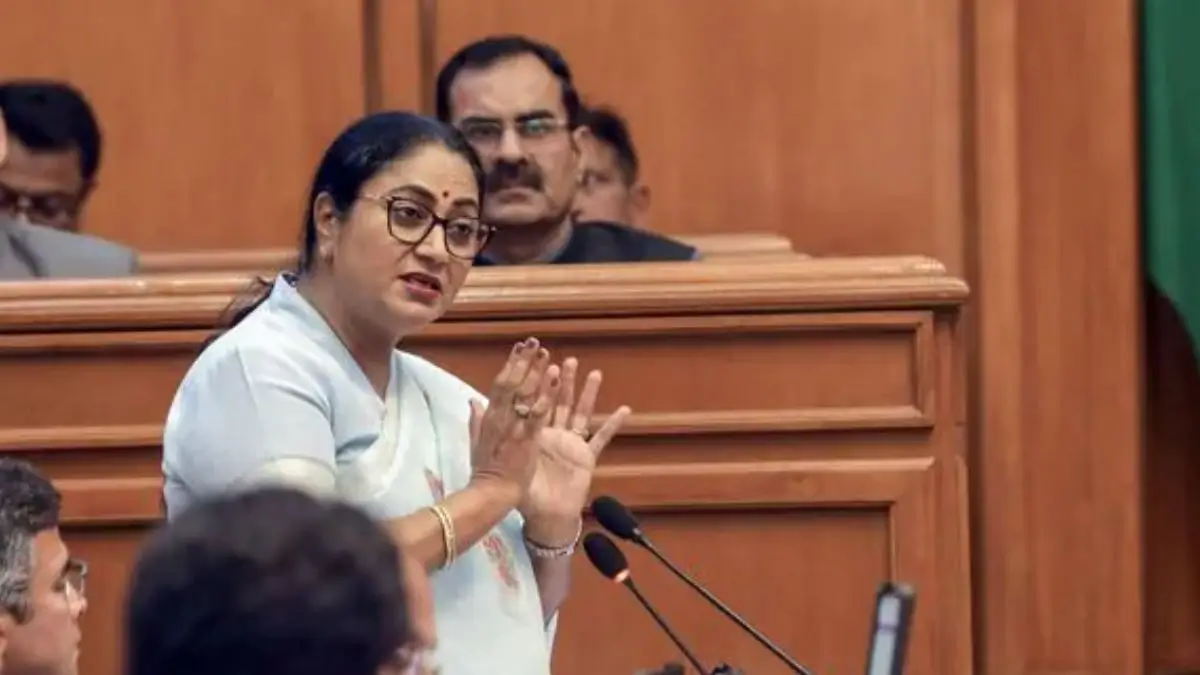
On 24 March 2026, the Gujarat Becomes Second State To Passing The UCC Bill After Uttarakhand, the Gujarat Legislative Assembly passed the Uniform Civil Code (UCC) Bill, 2026, making Gujarat the second state in India to adopt this landmark legislation after Uttarakhand passed its UCC in 2024 under state legislation.
The bill was introduced by Chief Minister Bhupendra Patel and received majority approval in the Assembly debate which lasted for several hours amidst extensive discussions on legal uniformity and social justice.
What is the Gujarat UCC Bill 2026?
The Gujarat Uniform Civil Code Bill, 2026 aims to create a unified legal framework for personal laws governing marriage, divorce, inheritance, succession, and live‑in relationships for residents of the state irrespective of their religion or community.
Currently, India follows different personal laws for religious communities — such as Hindu, Muslim, Christian, and Parsi personal law systems — which reflect diverse customs on these matters. The UCC seeks to replace these with a common set of legal norms, thus ensuring that every citizen enjoys equal rights and uniformity before the law.
Key Features and Provisions of the Bill
Uniform Personal Law Across Communities
A major objective of the UCC Bill is to introduce one personal law applicable to all residents, dissolving legal disparities that arise out of religion‑based personal laws.
Prohibition of Bigamy
The bill proposes a ban on bigamy and polygamy. Under the uniform legal framework, a person cannot enter into marriage while already legally married to another person.
Live‑In Relationships Regulation
One of the notable provisions is the mandatory registration and legal recognition of live‑in relationships and their termination procedures, aligning personal relationships with legal accountability.
Inheritance and Succession Rules
The bill seeks to establish uniform inheritance and succession laws, ensuring that legal rights to property and succession are standardized regardless of community or religion.
Exemptions and Constitutional Safeguards
Certain groups, including members of Scheduled Tribes (STs) whose customs are constitutionally protected, are exempted from the law to preserve cultural autonomy and safeguard constitutional rights.
Legal and Constitutional Basis of the UCC
The Uniform Civil Code concept finds its roots in Article 44 of the Indian Constitution, part of the Directive Principles of State Policy, which encourages the State to secure a uniform civil code for citizens. However, this Article is non‑justiciable, meaning it is a guiding principle and not legally enforceable by courts on its own.
Significance of the UCC Bill for Indian Polity
The passage of the UCC Bill in Gujarat marks a significant step in India’s constitutional and social jurisprudence. Proponents argue it simplifies the legal structure, reduces litigation, and fosters gender equality and social justice by eliminating discriminatory personal laws. Critics raise concerns about religious freedom and cultural diversity, emphasizing the need for broader consensus before nationwide implementation.

Why This News Matters for Competitive Exams
Constitutional Relevance
The Gujarat UCC Bill directly ties to the Directive Principles (Article 44) and debates on secularism, equality before law, and justice — core topics in Polity and Governance for UPSC, PSC, SSC, and other exams.
Historical Context: Uniform Civil Code in India
The concept of a Uniform Civil Code has been part of India’s constitutional framework since 1949, reflecting the founding fathers’ vision of a common civil law for all citizens. Over the decades, UCC remained a debated subject in Indian polity due to the nation’s cultural and religious diversity.
The first major step towards UCC implementation at the state level was made by Uttarakhand in February 2024, which passed its own UCC legislation — laying the foundation for similar reforms in other states.
Key Takeaways from “Gujarat UCC Bill 2026 Passed”
| S. No. | Key Takeaway |
|---|---|
| 1 | Gujarat became the second Indian state to pass the Uniform Civil Code (UCC) Bill after Uttarakhand. |
| 2 | The UCC Bill seeks to standardize marriage, divorce, inheritance, succession, and live‑in relationship laws across communities. |
| 3 | It proposes to ban bigamy and ensure equal legal rights irrespective of religion. |
| 4 | The bill includes mandatory registration of live‑in relationships and formal procedures for their termination. |
| 5 | Provisions of the law do not apply to Scheduled Tribes (STs), safeguarding constitutional and cultural rights. |
FAQs on Gujarat UCC Bill 2026
1. What is the Gujarat UCC Bill 2026?
The Gujarat Uniform Civil Code (UCC) Bill 2026 is a state legislation aiming to standardize personal laws related to marriage, divorce, inheritance, succession, and live-in relationships for all residents of Gujarat, irrespective of religion.
2. Which state was the first in India to pass the UCC?
Uttarakhand became the first state to pass its Uniform Civil Code in 2024, paving the way for other states like Gujarat.
3. Does the Gujarat UCC apply to Scheduled Tribes?
No, the bill exempts Scheduled Tribes (STs) and other constitutionally protected communities to preserve cultural rights.
4. How is the UCC connected to the Indian Constitution?
The UCC is linked to Article 44 of the Constitution, which is part of the Directive Principles of State Policy, encouraging a common civil code for all citizens.
5. What are the key benefits of implementing the UCC?
It ensures uniformity in personal laws, gender equality, simplified legal processes, and social justice, reducing legal disparities among different communities.
6. Are live-in relationships covered under the Gujarat UCC Bill?
Yes, the bill mandates registration and legal recognition of live-in relationships and specifies procedures for their termination.
7. Is the UCC mandatory for all religions in Gujarat?
Yes, the UCC applies to all residents of Gujarat except for exempted groups like STs, aiming for legal uniformity across religions.
Some Important Current Affairs Links