


Government asks Meta WhatsApp pause after concerns over the WhatsApp username rollout in India. Learn why MeitY sought an explanation, the cybersecurity risks involved, and the key facts important for UPSC, SSC, Banking, Railways, Defence, and other government exams.
Introduction
The Government of India has directed Meta to temporarily pause the rollout of WhatsApp’s proposed username feature in India and has sought a detailed explanation within three days. The move reflects growing concerns over digital safety, impersonation, phishing, identity theft, and cyber fraud. According to government sources, the Ministry is reviewing whether the new feature could unintentionally increase online crimes by allowing users to communicate without revealing their phone numbers.
What is WhatsApp’s Username Feature?
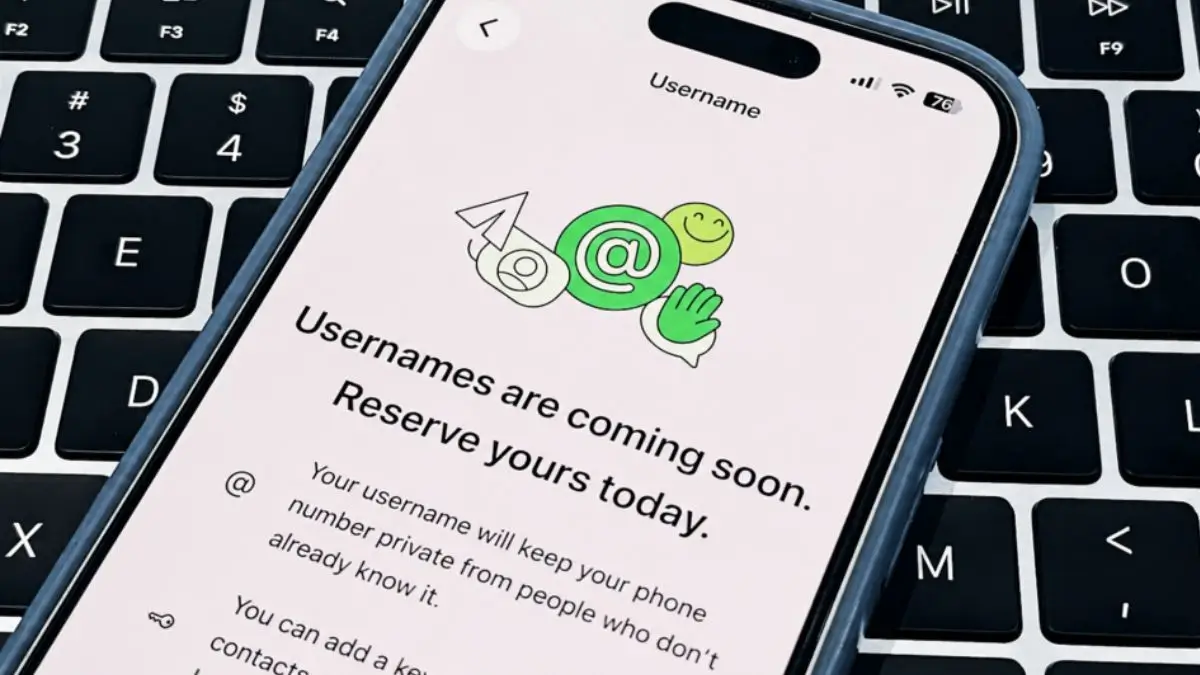
WhatsApp has announced an optional feature that would allow users to create a unique username, similar to handles on other social media platforms. Instead of sharing a mobile number, users could initiate conversations using these usernames, thereby enhancing privacy.
The company states that usernames are intended to provide an additional layer of privacy, especially when communicating with businesses or new contacts. Usernames would be unique, optional, and designed with security safeguards.
Why Did the Government Intervene?
The Government believes that while the feature offers privacy benefits, it may also create opportunities for cybercriminals.
Officials have expressed concerns that anonymous usernames could make it easier for fraudsters to impersonate banks, government departments, public officials, or trusted organizations. Such misuse may contribute to phishing attacks, financial fraud, fake customer support scams, and so-called “digital arrest” scams.
As a result, the Centre has instructed Meta not to launch the feature in India until consultations are completed satisfactorily.
Three-Day Deadline for Meta
The notice issued by the Government requires Meta to submit a comprehensive explanation within three days.
Authorities have asked the company to clarify:
- How the username system will function.
- What security safeguards are built into the feature.
- How impersonation and fraud will be prevented.
- Whether the feature complies with India’s digital regulations.
- How law enforcement agencies can address misuse.
The Government will review Meta’s response before deciding whether the rollout can proceed.
Meta’s Response
Meta has defended the proposed feature, stating that usernames are entirely optional and intended to strengthen user privacy.
According to WhatsApp:
- Users can choose whether to enable usernames.
- Phone numbers will remain protected when usernames are used.
- There will be no searchable public directory of usernames.
- Anti-spam protections and messaging controls will remain in place.
The company has also published FAQs explaining how usernames are expected to function.
Wider Regulatory Context
India represents WhatsApp’s largest market, with hundreds of millions of users. Because of this scale, any significant platform change receives close regulatory attention.
The Government has increasingly focused on balancing innovation with cybersecurity, user accountability, and digital trust. The review of WhatsApp’s username feature reflects broader efforts to ensure that emerging digital services do not inadvertently facilitate cybercrime.
Implications for Users
For ordinary users, the feature could improve privacy by reducing the need to share personal mobile numbers.
However, if implemented without adequate safeguards, experts believe it may also increase challenges related to identifying genuine accounts. This could complicate fraud investigations and make users more vulnerable to impersonation attempts.
The Government’s review seeks to ensure that privacy improvements are accompanied by effective security mechanisms.

Why This News is Important
Important for Cyber Security
This development highlights India’s growing emphasis on cybersecurity and digital safety. Competitive examinations increasingly include questions on cyber fraud, online privacy, and digital governance.
Important for Digital Governance
The issue demonstrates how governments regulate emerging technologies while encouraging innovation. Candidates preparing for UPSC, State PSCs, SSC, Banking, and Defence examinations should understand the balance between technological advancement and public safety.
Important for Current Affairs
Questions related to messaging platforms, digital privacy, data protection, and cyber laws frequently appear in competitive examinations. This case provides a practical example of how governments evaluate new digital features before public deployment.
Important for IT Act and Digital Regulations
The incident is relevant for topics covering:
- Cyber security
- Information Technology Act
- Digital governance
- Data privacy
- Platform accountability
- Online fraud prevention
Understanding these themes can help candidates answer both objective and descriptive examination questions.
Historical Context
Evolution of WhatsApp Privacy Features
Since its launch, WhatsApp has relied primarily on mobile phone numbers as user identities. Over time, the platform introduced several privacy-focused features, including end-to-end encryption, disappearing messages, chat locks, two-factor authentication, and privacy controls.
The introduction of usernames represents one of the platform’s most significant identity-related changes, allowing users to communicate without revealing their phone numbers.
India’s Growing Focus on Digital Regulation
Over the past decade, India has strengthened its regulatory framework governing digital platforms. Government agencies have increasingly monitored social media companies, messaging applications, and technology firms to address concerns related to misinformation, cybercrime, online fraud, and user safety.
The scrutiny of WhatsApp’s username feature fits within this broader policy objective of ensuring that technological innovation aligns with national cybersecurity priorities.
Key Takeaways from This News
| S. No. | Key Takeaway |
|---|---|
| 1 | The Government of India has asked Meta to pause the rollout of WhatsApp’s username feature in India. |
| 2 | Meta has been directed to submit a detailed explanation within three days regarding the feature’s security safeguards. |
| 3 | The Government is concerned about impersonation, phishing, identity theft, and cyber fraud. |
| 4 | WhatsApp states that usernames are optional, privacy-focused, and include anti-spam protections. |
| 5 | The issue highlights India’s increasing emphasis on balancing digital innovation with cybersecurity and user protection. |
FAQs: Frequently Asked Questions
1. Why did the Government of India ask Meta to pause the WhatsApp username rollout?
The Government asked Meta to pause the rollout due to concerns that the username feature could increase risks of impersonation, phishing, identity theft, and cyber fraud. Authorities have sought a detailed explanation on the security safeguards before allowing the feature to be introduced in India.
2. What is the WhatsApp username feature?
The WhatsApp username feature is an optional privacy feature that allows users to connect using a unique username instead of sharing their mobile phone number.
3. Which company owns WhatsApp?
Meta Platforms Inc. owns WhatsApp. Meta also owns Facebook, Instagram, and Threads.
4. What are the main concerns regarding WhatsApp usernames?
The key concerns include:
- Identity theft
- Fake customer support scams
- Phishing attacks
- Financial fraud
- Impersonation of government officials, banks, and businesses
5. Which ministry is monitoring the WhatsApp username feature in India?
The Ministry of Electronics and Information Technology (MeitY) is monitoring the issue and has sought clarification from Meta.
6. How can usernames improve user privacy?
Usernames allow users to communicate without revealing their personal mobile numbers, reducing exposure of sensitive contact information.
7. Why is this news important for competitive examinations?
The news is relevant for topics such as:
- Cyber Security
- Digital Governance
- Data Privacy
- Information Technology Act
- Artificial Intelligence and Digital Platforms
- Government Regulation of Technology Companies
8. What is phishing?
Phishing is a cybercrime in which fraudsters trick individuals into revealing sensitive information such as passwords, OTPs, banking credentials, or personal details through fake emails, messages, or websites.
9. Which competitive exams may ask questions from this topic?
Questions may appear in:
- UPSC Civil Services
- State PSCs
- SSC CGL & CHSL
- IBPS PO & Clerk
- RBI Grade B
- Railways
- CAPF
- CDS
- State Police Exams
- Teaching Eligibility Tests
10. What is the broader significance of this development?
The development highlights India’s efforts to balance technological innovation with cybersecurity, consumer protection, and digital accountability.
Some Important Current Affairs Links