







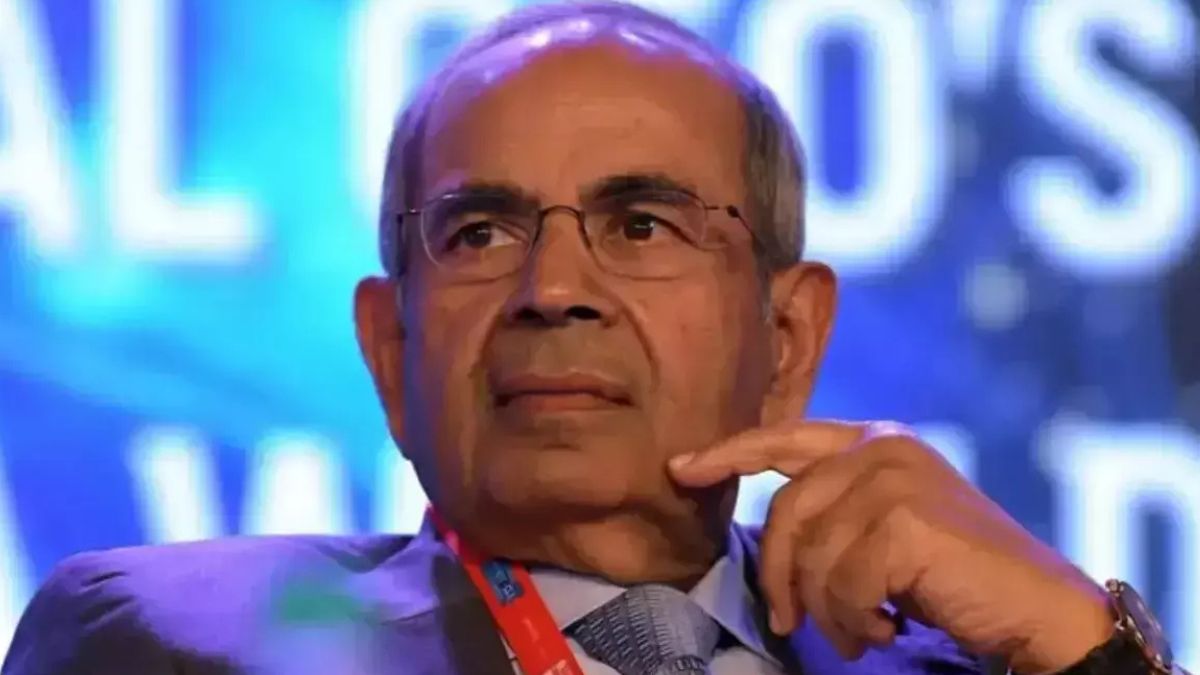
Gopichand Hinduja death news highlights the passing of Hinduja Group Chairman at 85, detailing his global business legacy, acquisitions, and contributions to the Indian economy.
“Business Titan Gopichand Hinduja, Chairman of Hinduja Group, Dies at 85”
Leading Indian‑British industrialist passes away in London
Early Life and Educational Foundations
Gopichand Parmanand Hinduja was born in January 1940, as a scion of the renowned Sindhi‑origin Hinduja family that founded the Hinduja Group. He completed his college education at Jai Hind College, Mumbai in 1959 and later earned honorary doctorates—including a Doctor of Law from the University of Westminster and a Doctorate in Economics from Richmond College, London. These academic credentials provided a foundation for his business acumen and global outlook.
Business Ascension and Metamorphosis of the Group
Hinduja joined the family enterprise in the late 1950s and over the decades charted its transformation from a regional trading outfit into a global conglomerate. Under his stewardship, the Hinduja Group expanded into sectors including automotive, banking and finance, energy, IT & media, infrastructure and real estate. Major strategic acquisitions under his watch included the 1984 purchase of Gulf Oil and the 1987 turnaround of Ashok Leyland. In 2023, following the passing of his elder brother Srichand Hinduja, Gopichand assumed the chairmanship of the group.
Global Impact and Wealth Accolades
The Hinduja family, under Gopichand’s leadership, became one of the richest families in the UK and globally. The 2025 edition of the Sunday Times Rich List placed the family’s net worth at an estimated £35.3 billion. Their global business footprint spanned over 48 countries and employed more than 150,000 people worldwide. In addition to traditional business, the group placed an emphasis on philanthropy and community development, making education, healthcare and cultural initiatives part of its legacy.
Passing and Legacy
Gopichand Hinduja passed away in London on 4 November 2025 at the age of 85, after a period of illness. His death has been described by many leaders in business and politics as signalling the end of a distinctive era of industrial leadership that bridged India and the UK. Tributes poured in from all quarters, recognising his vision, humility and the global impact of his enterprise. His legacy includes not only business expansion but also philanthropy and the creation of a global Indian‑origin business brand.

Why this News Is Important
Relevance for Government Exam Aspirants
For students preparing for positions in teaching, banking, railways, defence or civil services (such as PSCs or IAS), this news holds significance in multiple ways. Firstly, it underlines the evolving global footprint of Indian business conglomerates and how Indian‑origin business leadership influences global trade, investments and employment patterns. Such an event may feature in business‑economy current affairs sections.
Implications for Business, Economy and Policy
Gopichand Hinduja’s passing draws attention to the broader story of India’s multinational business growth and its linkages with global markets. Understanding how business groups diversify, acquire internationally‑listed companies and create cross‑border operations is relevant for economic policy, foreign direct investment (FDI) trends and employment generation topics frequently asked in competitive exams.
Business Leadership and Corporate Governance Dimension
Exam topics often include corporate governance, business ethics and legacy of business families. The Hinduja Group’s evolution under Gopichand Hinduja showcases how a business group from India expanded globally; his leadership style, philanthropy and international residence (UK) highlight issues of governance, globalisation and diaspora business networks. Recognising key personalities like him adds context to questions on Indian business history and major conglomerates.
Historical Context
Founding of the Hinduja Group
The Hinduja Group was founded in 1914 by Parmanand Deepchand Hinduja, with roots in Sindh (now in Pakistan) and early trade links to Iran. Initially the group was involved in trading textiles, tea and spices, and gradually expanded internationally.
Diversification in the Late 20th Century
In the 1970s and 1980s, the Hinduja family relocated their base partly to London and broadened operations into oil, automotive, banking and infrastructure. Landmark deals such as the acquisition of Gulf Oil (1984) and Ashok Leyland (1987) were pivotal in the group’s metamorphosis from regional trader to global industrial conglomerate.
Business Families & Globalisation Trend
The story of Gopichand Hinduja reflects broader trends: Indian business families leveraging diaspora networks, global capital markets, cross‑border mergers and acquisitions, and the interface with policy‑making and international regulation. His era saw Indian groups becoming serious global players, influencing employment, investment flows and India‑UK economic links.
Contemporary Significance
In recent years, the Hinduja family has also been subject to legal, ethical and governance challenges—such as domestic‐worker exploitation allegations in Switzerland involving family members. Gopichand Hinduja’s passing therefore comes at a moment of transition for the group and offers a case study for corporate continuity, governance, business succession and global Indian enterprise.
Key Takeaways from “Passing of Gopichand Hinduja”
| Sr. No | Key Takeaway |
|---|---|
| 1 | Gopichand Hinduja died on 4 November 2025 in London at the age of 85 after a prolonged illness. |
| 2 | He was the Chairman of the Hinduja Group, one of India’s leading diversified conglomerates with interests in automotive, banking, energy, IT, infrastructure and real estate. |
| 3 | Under his leadership the Hinduja Group expanded globally, with presence in over 48 countries and employment of more than 150,000 people; the family’s net worth in 2025 was estimated at around £35.3 billion. |
| 4 | His leadership marked the transition of the Hinduja business from regional trade operations to a global industrial powerhouse, with key acquisitions such as Gulf Oil and Ashok Leyland. |
| 5 | His death signifies a key moment of transition for a major Indian‑origin business family; it offers insights into business succession, globalisation of Indian industry and corporate governance—topics relevant for competitive exam aspirants. |
FAQs: Frequently Asked Questions
1. Who was Gopichand Hinduja?
Gopichand Parmanand Hinduja was the Chairman of the Hinduja Group, a leading Indian‑origin diversified conglomerate, and a prominent Indian‑British industrialist.
2. When did Gopichand Hinduja pass away?
He passed away on 4 November 2025 in London at the age of 85.
3. What sectors did the Hinduja Group operate in under his leadership?
The group operated in automotive, banking and finance, energy, IT & media, infrastructure, real estate, and more.
4. What were some notable acquisitions by Hinduja Group?
Notable acquisitions include Gulf Oil (1984) and Ashok Leyland (1987), which were crucial for its global expansion.
5. What was the estimated net worth of the Hinduja family in 2025?
The family’s net worth was estimated at approximately £35.3 billion in 2025.
6. Why is Gopichand Hinduja’s death significant for competitive exams?
His passing is relevant for exams as it relates to Indian business history, globalisation of Indian enterprises, corporate governance, and contributions of Indian‑origin business leaders internationally.
7. How did the Hinduja Group contribute to philanthropy?
The group invested in education, healthcare, cultural initiatives, and community development globally.
8. Which countries did the Hinduja Group have a presence in?
The group operated in over 48 countries worldwide.
9. Who succeeded as the chairperson after Srichand Hinduja’s death?
Gopichand Hinduja became the chairman of the Hinduja Group following the death of his elder brother Srichand Hinduja.
10. How is the Hinduja Group relevant in economic and policy contexts?
It is relevant in discussions of FDI trends, employment generation, business governance, and the global footprint of Indian conglomerates.
Some Important Current Affairs Links