



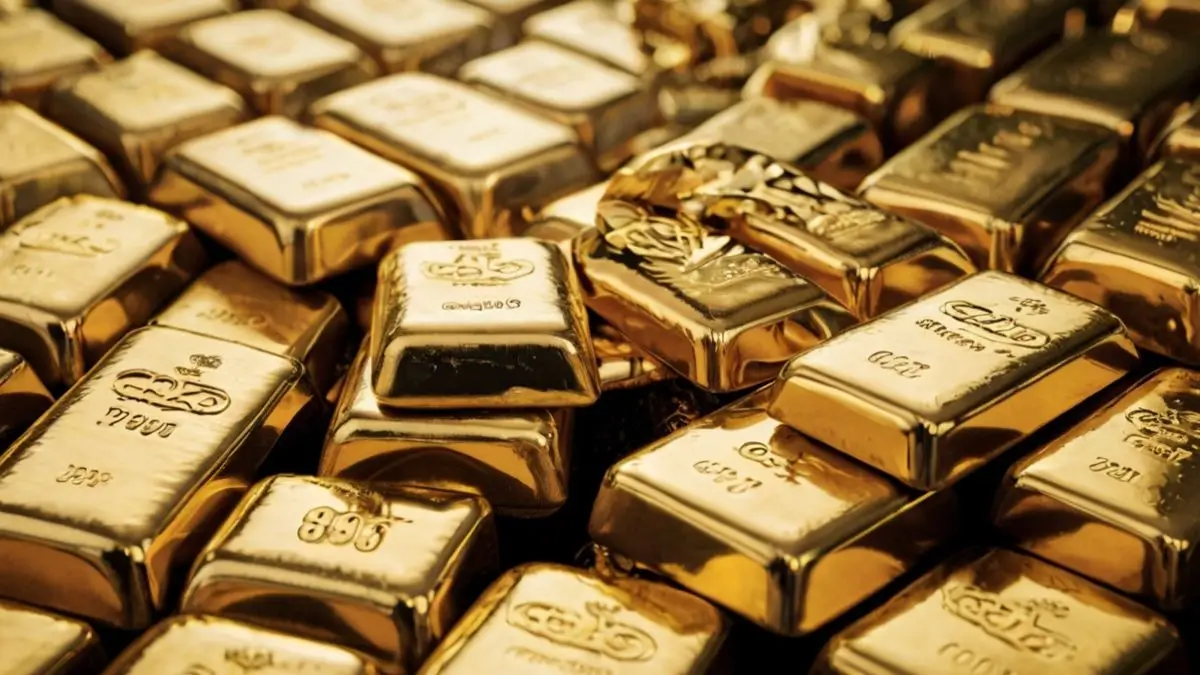
Gold import duty increase India: Learn why India raised import duty on gold and silver to 15%, its economic impact, current account deficit connection, and importance for UPSC, SSC, Banking, Railways, and PCS exams.
India Raises Import Duty on Gold and Silver to 15%
Introduction to the Government Decision
The Government of India has increased the import duty on gold and silver to 15%, aiming to regulate imports of precious metals and reduce pressure on the country’s trade deficit and foreign exchange reserves. The revised duty structure includes a 10% Basic Customs Duty (BCD) and a 5% Agriculture Infrastructure and Development Cess (AIDC). The decision was announced through an official notification issued by the Finance Ministry and Central Board of Indirect Taxes and Customs (CBIC).
Purpose Behind Increasing Import Duty
India is one of the largest consumers of gold and silver in the world. A major portion of these precious metals is imported from other countries. Large-scale imports increase India’s import bill and negatively affect the current account deficit (CAD). By raising the customs duty, the government aims to discourage excessive imports and protect the value of the Indian rupee.
The move is also intended to bring parity in taxation across different precious metal categories and close loopholes that traders were allegedly using to import jewellery components at lower tax rates.
Impact on Gold and Silver Prices
The increase in import duty is expected to raise domestic prices of gold and silver jewellery, coins, and other precious metal products. Since India heavily depends on imports, any rise in customs duty directly impacts retail prices.
Jewellers and bullion traders believe that higher prices may temporarily reduce demand, especially among middle-class consumers. However, experts also note that demand for gold in India remains strong due to cultural traditions, weddings, festivals, and investment preferences.
Impact on Jewellery Industry
The jewellery industry may experience mixed effects due to the increased duty. Large jewellery brands may manage the higher costs, but small jewellers and local traders could face challenges because of reduced customer demand and lower profit margins.
Industry experts have also warned that a sharp rise in import duty could encourage gold smuggling into India. Historically, high customs duties on gold have often resulted in illegal imports to avoid taxation.
Economic Significance of the Decision
Gold imports significantly affect India’s economy because they involve large outflows of foreign currency. By increasing customs duties, the government is attempting to reduce non-essential imports and strengthen economic stability.
The decision also reflects the government’s broader strategy to manage inflation, stabilize the rupee, and reduce external economic pressure. In recent years, the government has repeatedly revised customs duties on precious metals depending on global market conditions and domestic economic priorities.
Relevance for Competitive Exams
This development is important for students preparing for UPSC, SSC, Banking, Railway, Defence, State PCS, and other government examinations. Questions related to customs duty, current account deficit, imports, inflation, and monetary management are frequently asked in exams.
Candidates should remember the following important terms:
- Basic Customs Duty (BCD)
- Agriculture Infrastructure and Development Cess (AIDC)
- Current Account Deficit (CAD)
- Foreign Exchange Reserves
- Precious Metal Imports
The topic is especially relevant for Economy and Current Affairs sections of competitive examinations.

Why this News is Important
Importance for the Indian Economy
The increase in import duty on gold and silver is significant because India imports large quantities of precious metals every year. These imports increase the country’s trade deficit and create pressure on foreign exchange reserves. By increasing customs duties, the government aims to reduce unnecessary imports and improve the balance of payments.
The policy also reflects the government’s efforts to strengthen the Indian rupee and maintain economic stability during periods of global uncertainty. Such decisions directly influence inflation, import expenditure, and consumer spending patterns.
Importance for Competitive Examinations
This news is highly important for government exam aspirants because questions on taxation, import-export policy, customs duty, and economic reforms are commonly asked in examinations like UPSC, SSC CGL, Banking, Railways, and State PCS exams.
Students should understand how customs duty works and why governments use tariff policies to regulate imports. The topic also helps candidates understand concepts such as:
- Trade deficit
- Import substitution
- Economic protectionism
- Fiscal policy measures
- Inflation control
Importance for Society and Markets
Gold is deeply connected to Indian culture and household savings. Any increase in duty affects consumers, jewellers, investors, and traders. Higher prices may influence wedding purchases, investment decisions, and demand in the jewellery market.
At the same time, the decision may lead to increased illegal smuggling activities, which creates challenges for law enforcement agencies and customs authorities. Therefore, this news has economic, social, and administrative significance.
Historical Context
India’s Dependence on Gold Imports
India has traditionally been one of the world’s largest importers and consumers of gold. Gold is widely used for jewellery, investment, religious purposes, and as a symbol of wealth. Since domestic production is limited, India relies heavily on imports to meet demand.
Previous Changes in Import Duty
Over the years, the Indian government has frequently revised customs duties on gold and silver depending on economic conditions. In periods of rising trade deficit and weakening rupee, duties have been increased to discourage imports.
In the Union Budget 2023, the government raised customs duties on silver products to align them with gold and platinum imports. Later, in January 2024, the government increased import duties on gold and silver findings and coins to 15%.
Smuggling Concerns in the Past
India has previously witnessed a rise in gold smuggling whenever import duties were increased sharply. Smugglers attempt to bring gold illegally into the country to avoid paying taxes. This has remained a major challenge for customs officials and law enforcement agencies for decades.
Economic Policy Perspective
Successive governments have used import duties as a policy tool to regulate non-essential imports and manage the current account deficit. Gold imports are closely monitored because they significantly impact India’s foreign exchange reserves and macroeconomic stability.
Key Takeaways from This News
| S.No. | Key Takeaway |
|---|---|
| 1 | India increased import duty on gold and silver to 15%. |
| 2 | The revised duty includes 10% Basic Customs Duty and 5% AIDC. |
| 3 | The move aims to reduce imports and protect foreign exchange reserves. |
| 4 | Higher import duty may increase gold and silver prices in India. |
| 5 | The decision is important for Economy and Current Affairs sections of competitive exams. |
FAQs Related to India Raising Import Duty on Gold and Silver
1. What is the new import duty on gold and silver in India?
The Government of India has increased the import duty on gold and silver to 15%, which includes Basic Customs Duty (BCD) and Agriculture Infrastructure and Development Cess (AIDC).
2. Why did India increase the import duty on gold and silver?
The government increased the duty to reduce excessive imports, control the current account deficit (CAD), protect foreign exchange reserves, and strengthen the Indian rupee.
3. What is Basic Customs Duty (BCD)?
Basic Customs Duty is a tax imposed by the government on imported goods to regulate imports and generate revenue.
4. What is Agriculture Infrastructure and Development Cess (AIDC)?
AIDC is an additional tax levied on certain imported goods to support agricultural infrastructure development in India.
5. How does higher import duty affect gold prices?
Higher import duty increases the overall cost of imported gold and silver, leading to higher retail prices in the domestic market.
6. What is the Current Account Deficit (CAD)?
Current Account Deficit occurs when a country’s total imports exceed its exports, resulting in higher foreign currency outflow.
7. Why is gold important in the Indian economy?
Gold is widely used in India for jewellery, investments, religious activities, and cultural traditions. India is among the largest consumers of gold globally.
8. Which ministry announced the increase in customs duty?
The increase was notified by the Ministry of Finance through the Central Board of Indirect Taxes and Customs (CBIC).
9. How can this news be important for competitive exams?
This topic is important for UPSC, SSC, Banking, Railways, Defence, and State PCS exams under Economy and Current Affairs sections.
10. What are the disadvantages of increasing gold import duty?
Higher import duty may reduce legal imports but can also increase gold smuggling and illegal trade activities.
Some Important Current Affairs Links




