



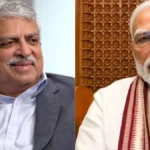





Exam Reform Task Force Led by Nandan Nilekani aims to make India’s examination system secure, transparent and technology-driven. Know objectives, importance, and key facts for government exams.
India’s Examination System Set for Major Reforms
Prime Minister Narendra Modi has announced the formation of a high-powered Examination Reform Task Force under the leadership of Infosys co-founder and Aadhaar architect Nandan Nilekani. The initiative aims to strengthen India’s examination ecosystem by making public examinations more transparent, secure, technology-driven, and resistant to paper leaks.
The announcement comes amid growing concerns over irregularities in competitive examinations, especially after recent controversies surrounding question paper leaks. The government has emphasized that the recommendations of the task force will be implemented quickly to restore students’ confidence in the examination process.
Nandan Nilekani to Lead the Reform Process
Nandan Nilekani, known for leading India’s digital identity project (Aadhaar) and co-founding Infosys, has been entrusted with preparing a roadmap for comprehensive examination reforms. His expertise in building large-scale digital infrastructure is expected to help create a modern and technology-enabled examination system.
The task force will examine existing examination mechanisms, identify weaknesses, and recommend solutions that improve transparency, efficiency, and accountability. The government believes that technology can play a significant role in preventing malpractices and ensuring fair assessments.
Objectives of the High-Powered Task Force
The newly constituted panel has been assigned several important responsibilities. These include:
- Making examinations leak-proof.
- Increasing transparency in examination processes.
- Strengthening cybersecurity and digital monitoring.
- Introducing advanced technology for secure examinations.
- Recommending structural reforms in examination agencies.
- Restoring public confidence in competitive examinations.
The Prime Minister stated that the country’s examination system must become trustworthy, transparent, and technology-driven to meet the aspirations of millions of students.
Focus on Technology and Digital Governance
The government intends to maximize the use of technology in conducting examinations. Artificial Intelligence, secure digital platforms, biometric verification, encrypted question paper distribution, and real-time monitoring are expected to be among the solutions considered by the committee.
Given Nandan Nilekani’s experience in building India’s Digital Public Infrastructure, the task force is expected to recommend scalable technological solutions capable of handling examinations conducted across the country.
Importance for Government Exam Aspirants
Every year, crores of students appear for examinations conducted by agencies such as:
- UPSC
- SSC
- IBPS
- RRB
- NTA
- State Public Service Commissions
- Teacher Eligibility Tests
Any irregularity in these examinations affects the careers of lakhs of aspirants. Therefore, reforms aimed at improving examination integrity are highly significant for students preparing for civil services, banking, railways, defence, police, and teaching examinations.
Government’s Commitment to Fair Examinations
The Prime Minister reiterated that strict action is being taken against those involved in examination irregularities. Along with stronger legal provisions against paper leaks, the government is focusing on long-term institutional reforms through this expert committee.
The recommendations of the task force are expected to serve as the foundation for a new examination framework that emphasizes transparency, accountability, and digital innovation.

Why This News is Important
Major Reform in India’s Examination Ecosystem
The constitution of the Nandan Nilekani-led task force marks one of the most significant education governance reforms in recent years. Public examinations determine admissions to higher education institutions and recruitment into government services. Ensuring their credibility is essential for maintaining meritocracy.
Important for Competitive Examination Aspirants
Government examination questions frequently cover current developments related to education reforms, governance, digital initiatives, and public administration. This announcement is relevant for UPSC, State PSCs, SSC, Banking, Railways, Defence, Teaching, and Police examinations.
Questions may be asked regarding:
- Chairman of the Examination Reform Task Force.
- Objectives of the committee.
- Role of technology in examination reforms.
- Government initiatives against paper leaks.
- Digital governance reforms.
Boost to Digital India
The appointment of Nandan Nilekani reflects the government’s continued reliance on digital public infrastructure for governance reforms. His experience with Aadhaar and digital identity systems is expected to contribute towards building a secure and technology-driven examination framework.
The initiative also aligns with India’s broader objective of strengthening governance through digital innovation while improving transparency and public trust in national institutions.
Historical Context
Background of Examination Reforms in India
India conducts thousands of public examinations every year through central and state agencies. Over the years, several competitive examinations have faced allegations of question paper leaks, impersonation, cyber fraud, and other malpractices. These incidents have affected the careers of millions of students and raised concerns regarding examination security.
To address these issues, governments have periodically introduced technological interventions such as biometric attendance, encrypted digital systems, CCTV surveillance, and computer-based testing. However, recurring irregularities highlighted the need for comprehensive structural reforms.
The formation of a high-powered task force led by Nandan Nilekani represents a broader effort to modernize India’s examination infrastructure using digital technology, institutional reforms, and stronger governance mechanisms.
Key Takeaways from PM Modi’s Exam Reform Task Force
| S.No. | Key Takeaway |
|---|---|
| 1 | Prime Minister Narendra Modi announced a high-powered Examination Reform Task Force. |
| 2 | Infosys co-founder Nandan Nilekani will head the task force. |
| 3 | The committee will recommend technology-driven reforms to make examinations transparent and leak-proof. |
| 4 | The reforms aim to restore public confidence in competitive examinations conducted across India. |
| 5 | The initiative is highly important for aspirants preparing for UPSC, PSC, SSC, Banking, Railways, Defence, Police, and Teaching examinations. |
Frequently Asked Questions (FAQs)
1. Who will lead the Examination Reform Task Force announced by PM Modi?
The Examination Reform Task Force announced by Prime Minister Narendra Modi will be led by Nandan Nilekani, the co-founder of Infosys and former Chairman of the Unique Identification Authority of India (UIDAI). He is known for his contribution to India’s digital infrastructure development.
2. What is the main objective of the Examination Reform Task Force?
The main objective of the task force is to strengthen India’s examination system by making it more transparent, secure, technology-driven, and free from irregularities such as paper leaks and examination fraud.
3. Why was the need for examination reforms felt in India?
The need for examination reforms emerged due to several incidents involving question paper leaks, cheating, impersonation, and security failures in competitive examinations. Such issues affect the future of millions of students appearing for government recruitment and entrance examinations.
4. Which government examinations will benefit from these reforms?
The reforms will impact major examinations conducted by agencies such as UPSC, SSC, IBPS, RRB, National Testing Agency (NTA), State Public Service Commissions, Teacher Eligibility Tests, and various defence and police recruitment examinations.
5. What role can technology play in improving examination security?
Technology can improve examination security through artificial intelligence-based monitoring, biometric verification, encrypted question paper systems, digital evaluation, cybersecurity measures, and real-time examination surveillance.
6. Who is Nandan Nilekani?
Nandan Nilekani is an Indian entrepreneur and technology leader. He is the co-founder of Infosys and played a key role in developing India’s Aadhaar digital identity programme as the first Chairman of UIDAI.
7. What is Aadhaar and how is it connected with Nandan Nilekani?
Aadhaar is India’s biometric-based unique identification system issued by UIDAI. Nandan Nilekani served as the first Chairman of UIDAI and contributed to the development and implementation of the Aadhaar project.
8. Which government initiative focuses on digital transformation in India?
The Digital India Programme is the major government initiative aimed at transforming India into a digitally empowered society and knowledge economy. Examination reforms using technology are aligned with the objectives of Digital India.
9. Why is this news important for UPSC and other government exam aspirants?
This topic is important because competitive examinations frequently include questions related to government policies, education reforms, digital governance, and important personalities involved in national initiatives.
10. Which ministry is associated with education and examination reforms in India?
The Ministry of Education, Government of India, plays a major role in implementing policies related to education systems, examination reforms, and improving the quality and transparency of assessments.
Some Important Current Affairs Links