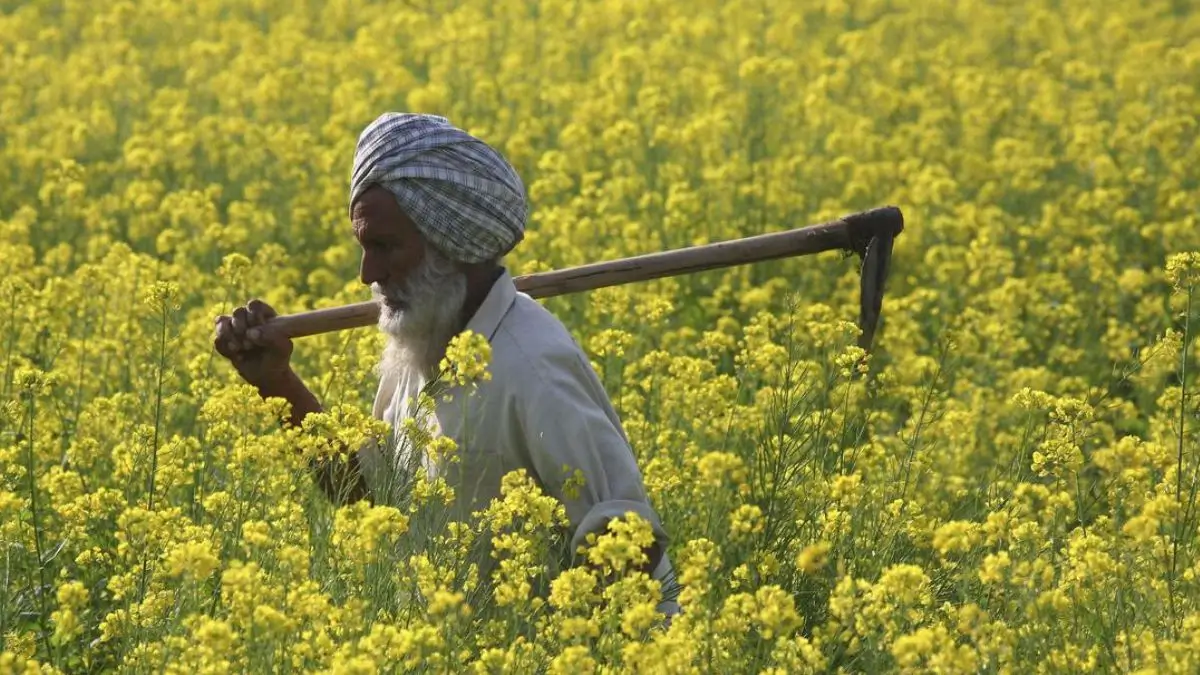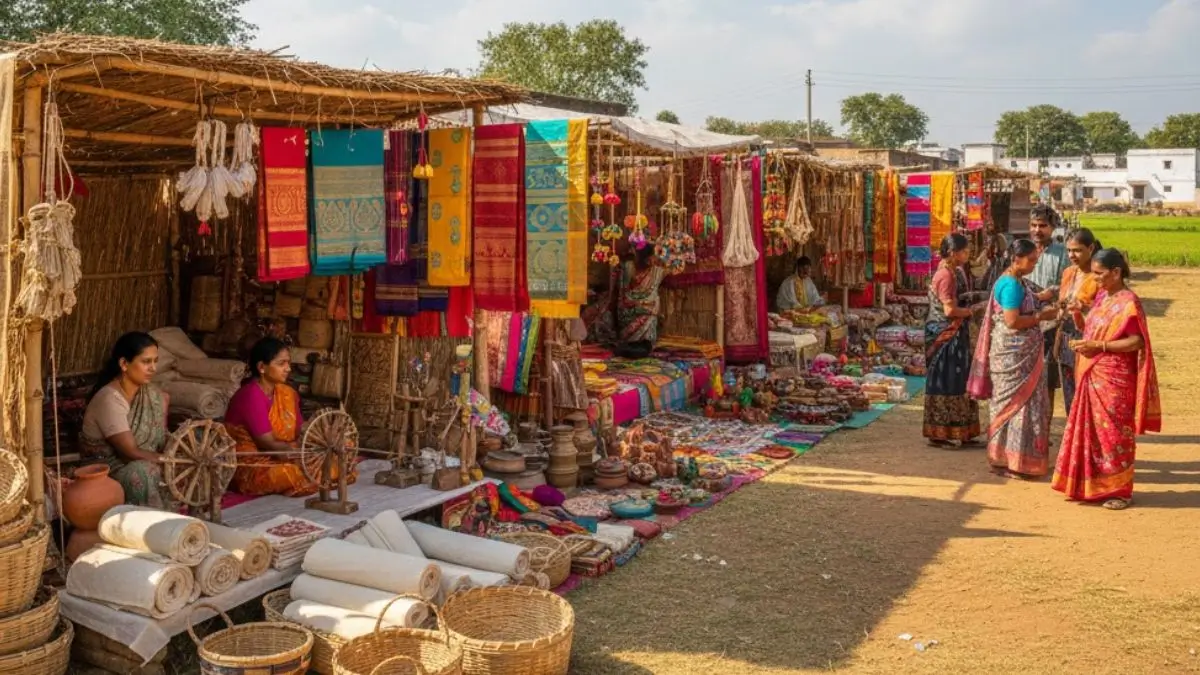
Delhi artisan empowerment scheme boosts skill development and global market access for khadi and handloom artisans, an important current affairs topic for government exam preparation.
Delhi Government Launches Chief Minister Skill Development Scheme to Empower Artisans With Global Market Access
Introduction: A New Milestone for Artisan Empowerment
The Delhi government, under the leadership of Chief Minister Rekha Gupta, recently approved and unveiled a transformative initiative — the Chief Minister Skill Development Scheme — aimed at empowering artisans associated with khadi, handloom, cottage industries, and the unorganised sector. This initiative seeks to enhance skill sets, improve livelihoods, and provide artisans with opportunities to access global digital markets, thereby positioning traditional craftsmanship on the world stage.
Salient Features of the Chief Minister Skill Development Scheme
The newly approved scheme targets 3,728 artisans across Delhi, offering them structured training on contemporary digital tools and market strategies. Trainees will receive comprehensive skill development programmes designed to bridge skill gaps prevalent in traditional crafts. The initiative places special emphasis on integrating digital market access, enabling artisans to sell their handmade products beyond local boundaries through e-commerce platforms that connect to national and international buyers.
Implementation and monitoring of the scheme will be overseen by the Delhi Khadi and Village Industries Board (DKVIB) — an authoritative body that manages development activities for khadi, village industries, and cottage sectors. The DKVIB will ensure that artisans receive necessary mentorship, training infrastructure and consistent support, fostering both skill enhancement and economic integration.
Training, Financial Support, and Market Linkage
Beyond skill training, the scheme provides artisans with financial stipends during the course period, enabling them to focus on learning without economic stress. Furthermore, toolkits, certification, and mentoring on modern marketing practices — including digital branding and client outreach — form key components of the framework.
Of strategic importance is the scheme’s objective to link artisans with global market systems such as the Open Network for Digital Commerce (ONDC) and other export-oriented digital platforms. This feature is designed to break traditional barriers to market access — particularly for those craftsmen who have historically depended on local or regional sales.
Expected Impact on Traditional Crafts and Livelihoods
The Chief Minister Skill Development Scheme is expected to transform the traditional craft ecosystem in Delhi by fostering a skilled artisan workforce capable of competing in global markets. By bringing artisans into digital marketplaces, the government aims to increase their income potential, reduce dependency on middlemen, and ensure sustainable livelihoods.
Artisans belonging to socio-economically weaker sections, including women and those from unorganised backgrounds, will benefit significantly from enhanced training and market exposure. Overall, this initiative aligns with national priorities of self-reliance (Atmanirbhar Bharat) and inclusive economic growth.

Why This News Is Important
Strengthening Traditional Craftsmanship
This development is crucial for students preparing for competitive exams because it reflects a government policy intervention that supports both cultural heritage and economic inclusion. Traditional crafts such as khadi, handloom, and cottage industries have long been pillars of India’s cultural identity but often lag in global competitiveness. The new scheme addresses this gap by integrating artisans with modern digital tools, thereby making traditional crafts economically viable.
Link to National Economic Priorities
The initiative aligns with India’s broader economic goals, especially concerning promotion of micro, small and medium enterprises (MSMEs), expansion of digital commerce, and enhancement of export potential for local producers. Government schemes that facilitate global market access help create a more resilient and inclusive economy by empowering grassroots producers to participate in global value chains.
Relevance for Government Exam Aspirants
For aspirants of UPSC, PCS, banking, railways, and defence, understanding such policy initiatives offers insights into public administration, economic development models, welfare schemes, and digital economy concepts. Questions on digital empowerment of artisans, economic diversification, and MSME growth strategies are common in exam syllabi.
Historical Context
Evolution of Artisan Empowerment in India
India has a deep legacy of handicrafts and traditional skills, dating back centuries. The artisans’ ecosystem was historically characterised by family-based production units and localized sales. However, with globalization, many artisans struggled to compete against mass-produced goods, leading to stagnation or decline in traditional craft industries.
Previous National Initiatives
Over the years, multiple central government schemes such as the PM Vishwakarma Kaushal Samman Yojana, aimed at empowering traditional craftsmen by offering identity cards, credit support, and training, have been launched to support and formalize the artisan sector.
Recent Policy Focus
Successive budgets for 2025–26 and 2026–27 have emphasized providing digital market access, MSME support, and export enhancement measures — particularly through e-commerce platforms and trade agreements — to integrate traditional sectors with global trade flows.
Key Takeaways from Delhi Govt’s Artisan Empowerment Scheme
| S. No. | Key Takeaway |
|---|---|
| 1 | The scheme is called Chief Minister Skill Development Scheme aimed at artisans. |
| 2 | It targets 3,728 artisans from khadi, handloom, cottage and unorganised sectors. |
| 3 | Focuses on skill training, digital market access, and livelihood enhancement. |
| 4 | Implementation will be through the Delhi Khadi and Village Industries Board (DKVIB). |
| 5 | Scheme is aligned with national goals of economic inclusion and global market integration. |
FAQs: Frequently Asked Questions
1. What is the main objective of the Delhi government’s artisan empowerment scheme?
The primary objective of the artisan empowerment scheme launched by the Government of Delhi is to enhance the skills of traditional artisans and provide them with access to national and global markets. The scheme focuses on digital training, marketing support, and livelihood improvement, helping artisans compete in modern e-commerce environments.
2. Which sectors of artisans are covered under the scheme?
The scheme mainly benefits artisans working in khadi, handloom, and cottage industries, as well as those in the unorganised sector. These groups often face challenges such as limited market access and lack of modern training, which the initiative aims to address.
3. Which body is responsible for implementing the scheme?
The implementation of the programme is overseen by the Delhi Khadi and Village Industries Board. This organisation is responsible for training, monitoring, and providing institutional support to participating artisans.
4. How does digital commerce play a role in the scheme?
A key feature of the scheme is linking artisans with digital marketplaces, including platforms like the Open Network for Digital Commerce. This enables artisans to sell their products online, expand their customer base, and increase income opportunities.
5. Why is this scheme relevant for competitive examinations?
This initiative is important for exams because it highlights government efforts in MSME development, digital inclusion, and economic empowerment. Questions related to government welfare schemes, digital economy, and artisan support frequently appear in UPSC, state PCS, SSC, and banking exams.
6. How does the scheme contribute to inclusive economic growth?
By supporting artisans from economically weaker backgrounds and integrating them into global markets, the scheme promotes inclusive growth. It reduces dependency on intermediaries and strengthens grassroots entrepreneurship.
Some Important Current Affairs Links