










Daruma doll symbolism in diplomacy was highlighted as PM Modi received the auspicious doll during his Japan visit 2025, reinforcing India–Japan cultural and historical ties.
PM Modi Receives Auspicious Daruma Doll in Japan Visit
Date: August 29, 2025
Event: On the first day of his official visit to Japan, Prime Minister Narendra Modi was presented with a Daruma doll by Rev Seishi Hirose, Chief Priest of the Shorinzan Daruma-Ji Temple in Takasaki, Gunma Prefecture
The Daruma Doll: Symbol of Resilience and Good Fortune
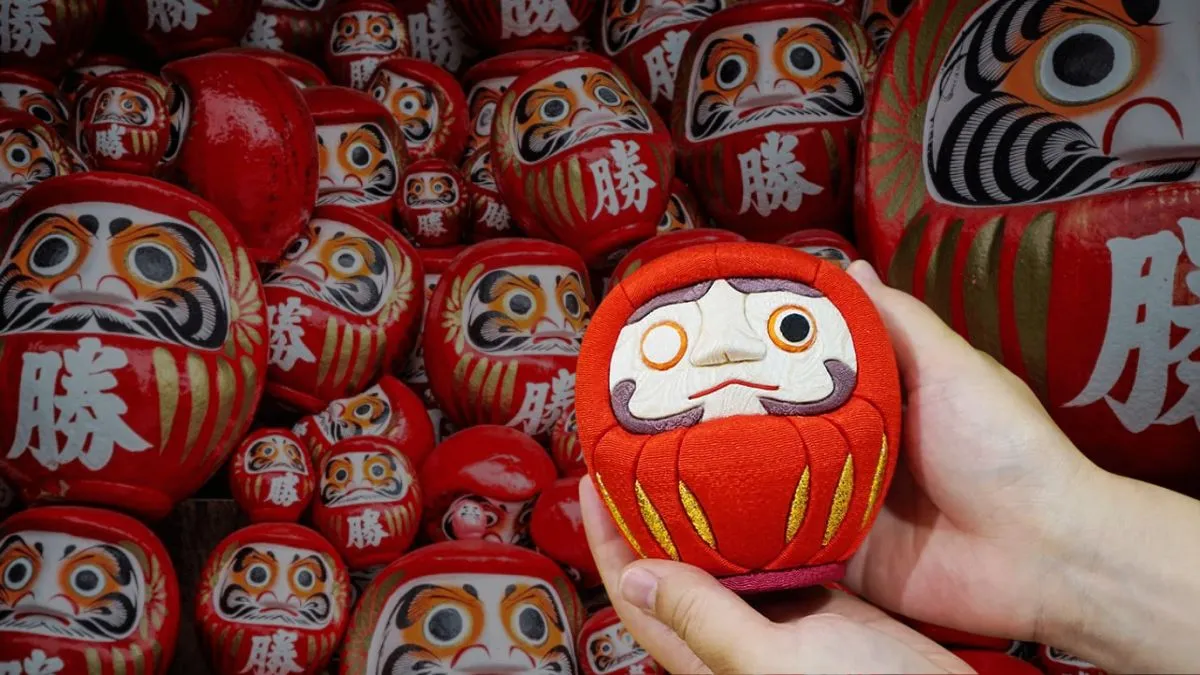
The Daruma doll (often red and crafted from papier-mâché) is a revered symbol in Japanese culture. It is modeled after Bodhidharma—known in Japan as Daruma Daishi—a 5th-century Indian monk credited with introducing Zen Buddhism
Tradition and Symbolism
Daruma dolls are known for their rounded, weight-bottomed design. When tipped over, they automatically return upright, embodying the Japanese proverb “Nanakorobi yaoki”—”fall seven times, stand up eight”—a powerful metaphor for perseverance in adversity
Additionally, their eyes start blank: the first eye is painted when setting a goal, and the second on its achievement, symbolizing focus and completion
India–Japan Cultural and Historical Connection
The Daruma’s origin is deeply rooted in India through Bodhidharma, who hailed from Kancheepuram in Tamil Nadu and traveled to East Asia over a millennium ago
The temple in Takasaki, where the Daruma doll was presented, is considered the birthplace of the doll tradition and produces the majority of Daruma dolls in Japan
Diplomatic Significance
This cultural gesture transcends mere protocol—it reinforces the millennia-old civilisational ties between India and Japan, highlighting shared spiritual heritage and mutual respect
It also comes amid PM Modi’s efforts to deepen India’s diplomatic relations in East Asia, especially within cultural, strategic, and soft-power arenas.
Why This News Is Important
Cultural Diplomacy at Its Finest
This event isn’t just about a diplomatic gift—it exemplifies cultural diplomacy. Presenting the Daruma doll, a symbol steeped in Indian-origin heritage, underscores the spiritual bonds between the two nations and enhances mutual cultural understanding.
Highlights India’s Soft Power Strategy
In an era where India invests heavily in soft power outreach, this nuanced protocol—rooted in shared history—bolsters India’s image as a country that values historical connections and cross-cultural respect.
Reinforces Strategic Ties Beyond Economics
While India-Japan relations often focus on trade and defense, moments like these add depth by acknowledging exchanges at the spiritual and cultural level, enriching bilateral trust and the foundation for stronger future cooperation.
Historical Context
Bodhidharma: The Bridge Between India and Japan
Bodhidharma—known in Japan as Daruma Daishi—was a 5th-century Indian monk from Kancheepuram who traveled to China and later influenced Japanese Zen Buddhism. His practice of meditating facing a wall for nine years allegedly led to the design of the Daruma doll (no limbs, weighted base)
Origin of the Daruma Doll Tradition
The Shorinzan Daruma-Ji Temple in Takasaki (founded 1697) became the focal point for Daruma culture, especially in Goal-Setting rituals and New Year practices. Takasaki remains the principal center for Daruma production
Evolution into a Talisman
Over time, the Daruma evolved from a religious symbol to a common talisman of perseverance and success. Its role in encouraging determination—particularly during exams or significant life challenges—rings especially relevant for government exam aspirants
Key Takeaways from “PM Modi Receives Auspicious Daruma Doll in Japan Visit”
| # | Key Takeaway |
|---|---|
| 1 | Daruma doll gifted by Rev Seishi Hirose from Shorinzan Daruma-Ji Temple on August 29, 2025. |
| 2 | The doll is a symbol of perseverance, good luck, and goal-setting, rooted in Japanese tradition. |
| 3 | Modeled after Bodhidharma (Daruma Daishi), an Indian monk from Kancheepuram—highlighting India–Japan cultural interplay. |
| 4 | Takasaki, Gunma Prefecture is the traditional birthplace and center of Daruma doll production. |
| 5 | This cultural gift underscores deeper spiritual and civilisational links, enriching diplomatic ties beyond economics. |
FAQs Related to the News
Q1. What is the significance of the Daruma doll gifted to PM Modi?
The Daruma doll represents resilience, perseverance, and good luck. It is traditionally used in Japan for setting goals and achieving them.
Q2. Who presented the Daruma doll to PM Modi during his Japan visit?
Rev Seishi Hirose, Chief Priest of the Shorinzan Daruma-Ji Temple in Takasaki, presented the doll.
Q3. What is the historical connection of the Daruma doll with India?
The doll is modeled after Bodhidharma (Daruma Daishi), a monk from Kancheepuram, Tamil Nadu, who introduced Zen Buddhism to East Asia.
Q4. Why is Takasaki city famous in Japan in relation to Daruma dolls?
Takasaki in Gunma Prefecture is considered the birthplace of the Daruma doll tradition and is the leading producer of these dolls in Japan.
Q5. How is the Daruma doll connected to perseverance?
The doll has a weighted bottom and returns upright when tipped over, symbolizing the proverb “fall seven times, stand up eight.”
Q6. What do the blank eyes of the Daruma doll represent?
One eye is filled when setting a goal and the other when achieving it, representing determination and accomplishment.
Q7. Why is this news diplomatically important?
It emphasizes India–Japan cultural ties and showcases soft power diplomacy beyond economics and defense.
Q8. Which Indian city is Bodhidharma believed to have come from?
He hailed from Kancheepuram in Tamil Nadu, India.
Q9. How is the Daruma doll relevant to students preparing for exams?
It symbolizes perseverance, goal-setting, and success—values important for aspirants of government exams.
Q10. In which year was the Shorinzan Daruma-Ji Temple founded?
The temple was established in 1697 and remains the cultural center for Daruma traditions.
Some Important Current Affairs Links




