









Government Should Include Coking Coal in Critical Minerals List
Introduction
The Indian government has been urged by industry experts and policymakers to include coking coal in its list of critical minerals. Coking coal, which is primarily used in the production of steel, plays a crucial role in supporting India’s infrastructure and industrial growth. Currently, India imports most of its coking coal, leading to concerns about supply disruptions and the country’s heavy dependence on foreign sources. The call to include it as a critical mineral is seen as an essential step toward achieving greater self-sufficiency and improving the resilience of the Indian economy.
What is Coking Coal?
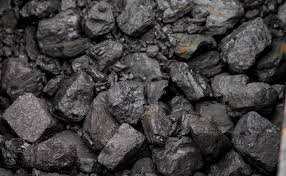
Coking coal, also known as metallurgical coal, is a key component in the production of steel. It is used in blast furnaces to make coke, which is then combined with iron ore to produce steel. Unlike thermal coal, which is used for power generation, coking coal’s high carbon content makes it indispensable for steel manufacturing. India, despite being one of the largest coal producers in the world, still faces a significant shortfall in coking coal production, relying on imports from countries like Australia, the U.S., and Canada.
Why Coking Coal Should be Included in the Critical Minerals List
Including coking coal in the list of critical minerals would recognize its strategic importance in India’s industrial sector. With the growing demand for steel due to infrastructure projects, manufacturing, and construction, India needs to secure a stable and reliable supply of coking coal. By designating it as a critical mineral, the government can ensure greater investments in domestic exploration, development, and production, reducing the country’s dependence on foreign imports.
Moreover, this move could encourage the development of new technologies in coal processing and mining, making India more self-reliant and less vulnerable to price fluctuations in international markets. It would also align with the government’s broader objectives of boosting the mining sector, creating jobs, and enhancing India’s manufacturing capabilities.
Potential Benefits for the Indian Economy
Including coking coal as a critical mineral would also benefit the economy by ensuring a steady supply to meet domestic steel demand. This would help drive the growth of key industries such as construction, automotive, and infrastructure development. Additionally, reducing the dependency on foreign coal imports can stabilize prices and improve India’s balance of trade. The government could also explore public-private partnerships to boost domestic production, making India less reliant on imports.
Why This News is Important
Strategic National Importance
Coking coal’s inclusion in the critical minerals list has far-reaching consequences for India’s industrial and economic future. By emphasizing the importance of coking coal, India would be better positioned to reduce its dependency on foreign sources, which are subject to geopolitical and economic fluctuations. Such a move aligns with the government’s “Make in India” and “Atmanirbhar Bharat” initiatives, which seek to promote self-sufficiency in critical industries. With India’s rapid infrastructure development, a secure supply of coking coal is vital for sustaining growth in the steel sector and related industries.
Economic Growth and Job Creation
The steel sector is one of India’s largest industries, contributing significantly to the national GDP and employment. The inclusion of coking coal as a critical mineral would not only ensure a steady supply of this essential raw material but would also create opportunities for new mining projects, industrial growth, and job creation. More local production means less reliance on imports, ultimately benefiting the country’s economy and reducing trade imbalances.
Impact on National Security
As a critical mineral, coking coal holds national security implications as well. The current heavy reliance on imports makes India vulnerable to supply disruptions from political instability or trade restrictions in supplier countries. By making domestic coking coal production a priority, India can strengthen its energy and resource security, ensuring that the country can continue its industrial activities uninterrupted in case of geopolitical tensions or global supply chain disruptions.
Historical Context
Coking coal has been an essential part of India’s steel production for decades. Despite India’s position as the third-largest coal producer in the world, the country has always struggled to meet its domestic coking coal needs. Historically, India has relied on countries like Australia and Indonesia for most of its coking coal imports. This dependency has led to challenges in maintaining consistent supply at competitive prices.
Over the years, India has attempted to bolster its domestic coking coal production through exploration and investment in the mining sector. However, insufficient exploration, outdated mining technology, and environmental regulations have limited production growth. Including coking coal in the critical minerals list would push for greater investments in mining technologies, infrastructure, and a more sustainable mining ecosystem in India. The move would also make coking coal a priority for policy reforms aimed at bolstering the domestic mining industry.
Key Takeaways from “Govt Should Include Coking Coal in Critical Minerals List”
| Serial Number | Key Takeaway |
|---|---|
| 1 | Coking coal is essential for steel production and India’s industrial growth. |
| 2 | India imports the majority of its coking coal, which creates a dependency on foreign markets. |
| 3 | Including coking coal in the critical minerals list would boost domestic production and reduce reliance on imports. |
| 4 | The move would contribute to job creation, technological advancements, and economic growth. |
| 5 | A secure domestic supply of coking coal would enhance national security and stabilize steel prices. |
Important FAQs for Students from this News
1. What is coking coal, and why is it important for India?
Coking coal is a key component in the production of steel, used to produce coke, which is combined with iron ore to create steel. It is vital for India’s industrial growth, particularly in the steel sector, and supports key industries like infrastructure, automotive, and construction.
2. Why should coking coal be included in the list of critical minerals in India?
Including coking coal in the list of critical minerals would prioritize its domestic production and reduce India’s dependency on imports. This move would strengthen India’s industrial base, ensure a steady supply for steel production, and enhance national security by mitigating risks related to global supply chain disruptions.
3. How does India currently meet its coking coal demand?
India currently imports most of its coking coal from countries like Australia, the United States, and Canada, as domestic production does not meet the demand. This dependency creates challenges in terms of price volatility and supply disruptions.
4. What are the benefits of having a steady supply of coking coal for India?
A steady domestic supply of coking coal would reduce India’s reliance on imports, stabilize prices, create jobs, and support the growth of the steel industry. It would also contribute to the overall economic development and national security.
5. What are the challenges India faces in increasing its domestic coking coal production?
India faces challenges such as limited exploration, outdated mining technologies, and stringent environmental regulations, which hinder the growth of its domestic coking coal production. Investments in modern mining practices and infrastructure would be needed to overcome these challenges.
Some Important Current Affairs Links