






Defence Ministry ₹4,666 Crore Contracts signed for CQB carbines and heavyweight torpedoes to modernize Indian Army and Navy. Read complete details for UPSC, CDS, CAPF exam preparation.
:
🔍 Defence Ministry Signs ₹4,666 Crore Contracts for Carbines and Torpedoes
📌 Overview of the Defence Contract
The Ministry of Defence (MoD) on December 30, 2025, signed significant defence procurement contracts totaling ₹4,666 crore. The high-value deals were inked at South Block, New Delhi, in the presence of Defence Secretary Rajesh Kumar Singh and involve the acquisition of Close Quarter Battle (CQB) carbines for the Indian Army and Navy, and heavyweight torpedoes for the Navy’s submarine fleet. This strategic move aims to enhance India’s combat readiness both on land and underwater.
🪖 Contract for Close Quarter Battle (CQB) Carbines
Under the first part of the contract, the MoD has approved ₹2,770 crore for procuring over 4.25 lakh CQB carbines. The procurement will benefit both the Indian Army and the Indian Navy. These modern weapons are designed for close-range combat situations, such as urban warfare, counter-insurgency, and rapid assault operations, where mobility and accuracy are crucial.
The carbines will be supplied by Bharat Forge Ltd and PLR Systems Pvt Ltd, both Indian companies. This procurement reflects a shift away from older legacy weapons and aligns with India’s push for indigenous defence manufacturing and the Aatmanirbhar Bharat Abhiyan.
⚓ Heavyweight Torpedoes for Submarine Fleet
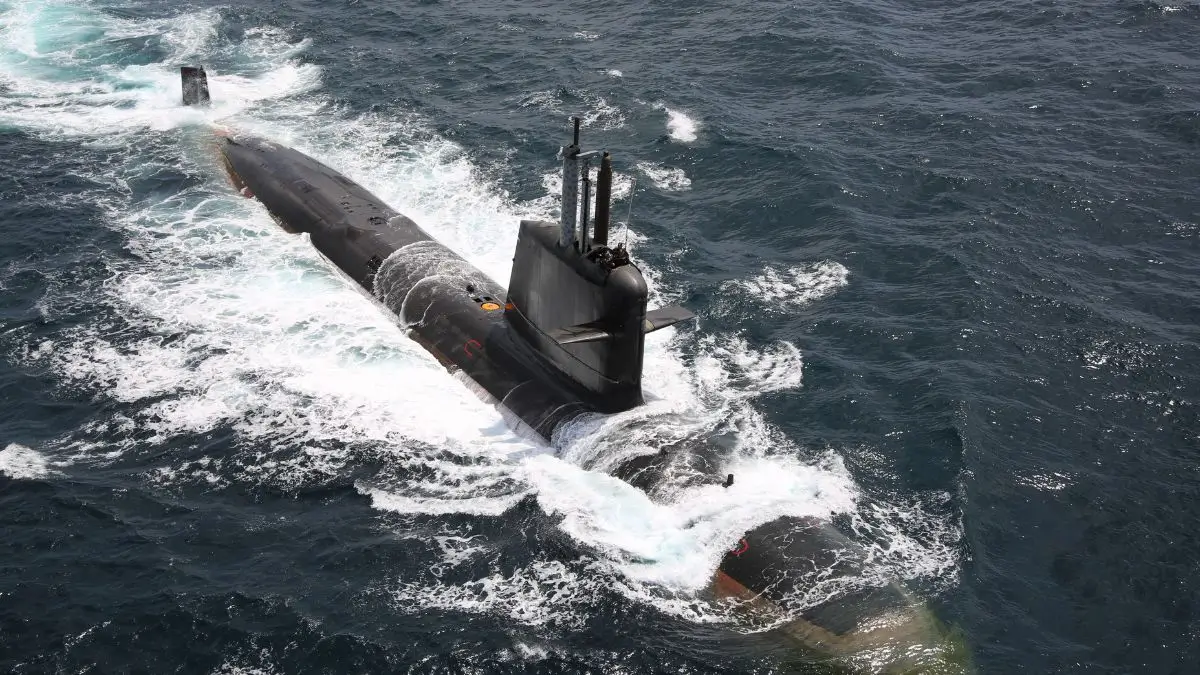
The second contract, valued at around ₹1,896 crore, was signed with WASS Submarine Systems S.R.L., Italy. It covers the procurement and integration of 48 heavyweight torpedoes along with associated equipment for the Kalvari-class submarines under Project-75 of the Indian Navy.
These advanced torpedoes are crucial for enhancing the underwater strike capability and operational effectiveness of India’s submarine fleet. Deliveries are expected to begin from April 2028 and are planned to complete by early 2030.
🇮🇳 Boost to Indigenous Defence and Strategic Readiness
Both contracts are significant not just for military modernization but also for boosting India’s defence manufacturing ecosystem. The CQB carbine deal falls under the Buy (Indian) category, emphasizing local production and participation from Indian MSMEs (Micro, Small & Medium Enterprises), which can help generate employment and strengthen the defence industrial base.
The heavy torpedo procurement reflects India’s commitment to strengthening its maritime defence footprint and ensuring the Indian Navy can effectively operate in the Indo-Pacific region amidst growing strategic competition.

📌 Why This News is Important
🧠 Strategic Importance to National Security
The ₹4,666 crore contracts mark a major step in modernizing India’s armed forces. For aspirants preparing for exams like UPSC, SSC, CDS, CAPF, CDS, NDA, Army/ Navy/ Air Force recruitment, or other government positions, this news is crucial as it reflects India’s evolving defence preparedness and geopolitical security strategy in a complex regional environment.
💡 Enhancing Combat Capabilities
The induction of CQB carbines will give ground forces enhanced lethality and manoeuvrability in close-range operations — a capability increasingly relevant in asymmetric warfare scenarios. Simultaneously, heavyweight torpedoes significantly enhance underwater warfare capabilities of India’s submarine fleet, safeguarding maritime borders and interests.
🇮🇳 Support to ‘Aatmanirbhar Bharat’ and Defence Sector Growth
The contracts demonstrate how the Indian government is prioritizing indigenous defence production. This aligns with the Aatmanirbhar Bharat Abhiyan, reflecting a policy shift towards self-reliance in critical sectors and support for Indian MSMEs in defence supply chains — a common theme in government exam questions on economic and security policies.
📈 Relevance to Current Affairs Syllabus
This development is highly relevant for sections on national security, defence procurement, international military cooperation, defence manufacturing policies, and government expenditure, all of which are commonly featured in prelims and mains exams
🏛️ Historical Context: Defence Procurement and Modernisation Drive
🪖 Defence Modernization Since 2014
Since 2014, the Indian government has accelerated defence procurement with a focus on modernizing the armed forces. Initiatives such as Make in India and Buy (Indian) categories have been prioritized to reduce dependence on foreign suppliers and build a self-sufficient defence industrial base.
⚔️ From Legacy Arms to Modern Firepower
Historically, India’s infantry relied on older small arms, including licensed foreign weapons. Over recent years, the MoD has pushed to replace these with modern systems like CQB carbines, advanced artillery, and precision weapons to match evolving battlefield requirements.
🌊 Underwater Warfare & Project-75
Kalvari-class submarines under Project-75 are a cornerstone of India’s conventional submarine fleet. Upgrading their torpedo systems is a strategic necessity to enhance deterrence and second-strike capability — especially in the dynamic Indo-Pacific region.
🛠️ Self-Reliance Initiatives
The focus on domestic partnerships in defence procurement underscores the government’s long-term goal of self-reliance, knowledge transfer, and stimulating local industry clusters through policy frameworks like the Defence Acquisition Procedure (DAP) 2020.
📊 Key Takeaways from “Defence Ministry Signs ₹4,666 Crore Contracts for Carbines and Torpedoes”
| S.No | Key Takeaway |
|---|---|
| 1 | The Ministry of Defence signed defence contracts worth ₹4,666 crore to procure CQB carbines and heavyweight torpedoes. |
| 2 | Over 4.25 lakh Close Quarter Battle (CQB) carbines will be supplied to the Indian Army and Navy under a ₹2,770 crore contract. |
| 3 | 48 heavyweight torpedoes will be procured from Italy’s WASS Submarine Systems for the Kalvari-class submarines at ₹1,896 crore. |
| 4 | The deals support Make in India and Aatmanirbhar Bharat, boosting indigenous defence manufacturing. |
| 5 | Deliveries of torpedoes are planned to start in April 2028 and conclude by early 2030. |
FAQs: Defence Ministry ₹4,666 Crore Contracts
Q1: What is the total value of the defence contracts signed by India recently?
A: The Ministry of Defence signed contracts worth ₹4,666 crore for CQB carbines and heavyweight torpedoes.
Q2: How many Close Quarter Battle carbines are being procured under the contract?
A: Over 4.25 lakh CQB carbines will be supplied to the Indian Army and Navy.
Q3: Which companies are supplying the CQB carbines?
A: Bharat Forge Ltd and PLR Systems Pvt Ltd, both Indian companies, are supplying the carbines.
Q4: How many heavyweight torpedoes are included in the contract, and which company is supplying them?
A: 48 heavyweight torpedoes are being procured from WASS Submarine Systems S.R.L., Italy.
Q5: When is the delivery of the torpedoes expected to begin?
A: Deliveries are expected to start from April 2028 and conclude by early 2030.
Q6: How do these contracts support the Make in India initiative?
A: The CQB carbines are procured under the Buy (Indian) category, promoting indigenous defence production and supporting Indian MSMEs.
Q7: Why are these contracts strategically important for India?
A: They enhance India’s land and underwater combat capabilities, strengthen maritime security, and align with the country’s self-reliance in defence policy.
Q8: Which submarine class will use the new heavyweight torpedoes?
A: The Kalvari-class submarines under Project 75 will be equipped with these torpedoes.
Some Important Current Affairs Links




