










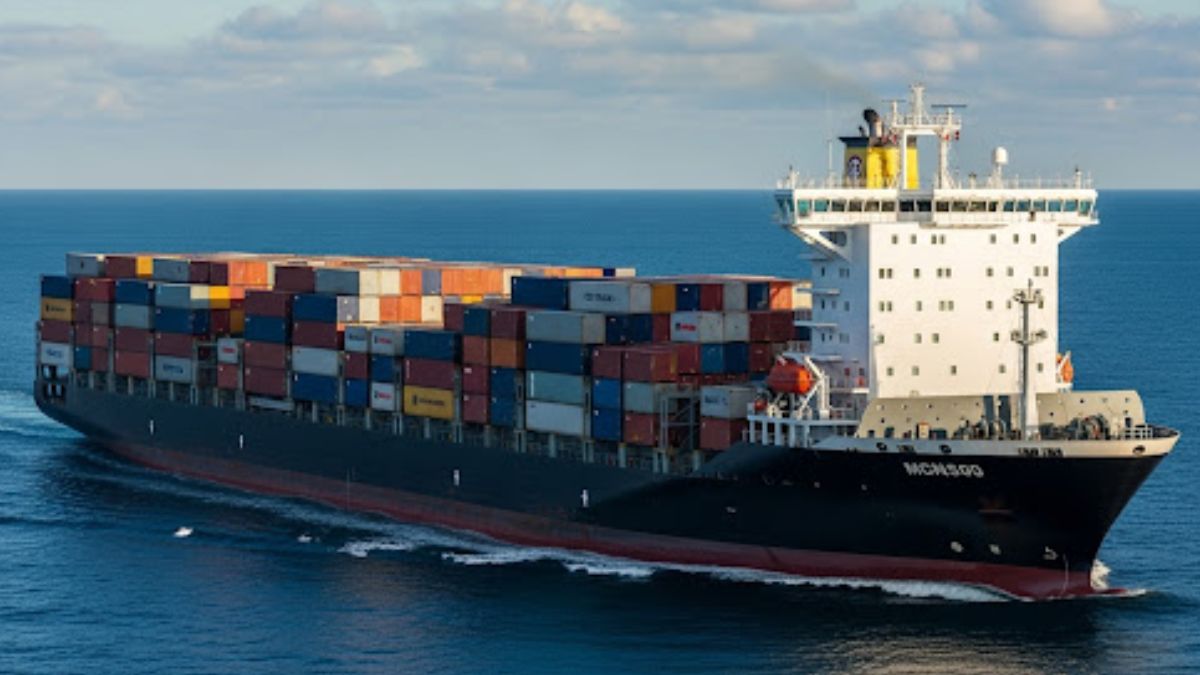
Carriage of Goods by Sea Bill 2025 passed by Indian Parliament modernizes maritime trade laws with alignment to international standards and promotes digital documentation for efficient shipping.
🛳️ Parliament Passes Carriage of Goods by Sea Bill 2025: A Modernization of Maritime Trade Laws
Introduction
On August 6, 2025, the Indian Parliament passed the Carriage of Goods by Sea Bill, 2025, marking a significant step in modernizing India’s maritime legal framework. This legislation aims to replace the century-old Indian Carriage of Goods by Sea Act, 1925, aligning the country’s maritime laws with contemporary international standards and practices.
Key Provisions of the Bill
The Carriage of Goods by Sea Bill, 2025 introduces several pivotal changes to India’s maritime laws:
- Alignment with International Standards: The bill adopts the Hague-Visby Rules, a globally accepted set of regulations governing the carriage of goods by sea. This alignment ensures that India’s maritime laws are in harmony with international conventions, facilitating smoother global trade.
- Simplification of Legal Language: The legislation seeks to replace complex legal terminologies with clearer, more comprehensible language, making it easier for stakeholders to understand and comply with maritime laws.
- Digitalization of Documentation: Recognizing the importance of technological advancements, the bill promotes the use of electronic documentation, such as digital bills of lading, to streamline processes and reduce paperwork.
- Enhanced Government Powers: The bill empowers the central government to amend schedules and issue new rules, providing flexibility to adapt to evolving global standards and practices.
- Promotion of Ease of Doing Business: By simplifying procedures and reducing legal ambiguities, the legislation aims to enhance the ease of doing business in India’s maritime sector, attracting more international trade and investment.

Why This News is Important
Impact on Maritime Trade
The passage of the Carriage of Goods by Sea Bill, 2025, is a landmark development in India’s maritime sector. By modernizing outdated laws, the legislation aims to boost the efficiency and competitiveness of India’s shipping industry, positioning the country as a more attractive destination for global trade.
Alignment with Global Practices
Aligning India’s maritime laws with international standards, such as the Hague-Visby Rules, ensures that the country remains compliant with global conventions. This alignment facilitates smoother trade relations and reduces the risk of legal disputes in international shipping.
Technological Advancements
The promotion of digital documentation reflects India’s commitment to embracing technological advancements in the maritime sector. This move is expected to streamline operations, reduce costs, and improve transparency in maritime trade.
Economic Implications
By simplifying legal procedures and enhancing the efficiency of maritime trade, the legislation is expected to have positive economic implications. It can lead to increased trade volumes, job creation, and overall economic growth in the country.
Strategic Significance
Modernizing maritime laws is strategically significant for India, given its extensive coastline and growing role in global trade. The new legislation strengthens the country’s position in the international maritime arena.
Historical Context
The Indian Carriage of Goods by Sea Act, 1925, was enacted during the colonial era and has been in effect for nearly a century. Over time, the Act became outdated and misaligned with contemporary international maritime practices. The need for modernization became evident as global trade evolved, and India sought to enhance its competitiveness in the maritime sector. The introduction and passage of the Carriage of Goods by Sea Bill, 2025, is a step towards updating India’s legal framework to meet current and future challenges in maritime trade.
Key Takeaways from “Parliament Passes Carriage of Goods by Sea Bill 2025”
| S.No | Key Takeaway |
|---|---|
| 1. | The Carriage of Goods by Sea Bill, 202 … replaces the Indian Carriage of Goods by Sea Act, 1925, modernizing India’s maritime legal framework. |
| 2. | The bill aligns India’s maritime laws with international standards, including the Hague-Visby Rules, to facilitate smoother global trade. |
| 3. | It promotes the use of electronic documentation, such as digital bills of lading, to streamline processes and reduce paperwork. |
| 4. | The legislation empowers the central government to amend schedules and issue new rules, providing flexibility to adapt to evolving global standards. |
| 5. | By simplifying procedures and reducing legal ambiguities, the bill aims to enhance the ease of doing business in India’s maritime sector. |
FAQs: Frequently Asked Questions on Carriage of Goods by Sea Bill 2025
Q1: What is the Carriage of Goods by Sea Bill 2025?
A: It is a new legislation passed by the Indian Parliament to modernize the laws related to the carriage of goods by sea, replacing the old 1925 Act.
Q2: Which international rules does the Carriage of Goods by Sea Bill 2025 align with?
A: The bill aligns with the Hague-Visby Rules, which are internationally recognized maritime trade regulations.
Q3: How does the bill promote digitalization in maritime trade?
A: It encourages the use of electronic documentation like digital bills of lading, helping to reduce paperwork and streamline shipping processes.
Q4: Why is modernization of maritime laws important for India?
A: Modern laws enhance trade efficiency, align with global standards, boost ease of doing business, and support India’s strategic position in global maritime trade.
Q5: What powers does the new bill give to the central government?
A: The bill empowers the central government to amend schedules and create new rules to adapt to evolving international maritime standards.
Q6: Which Act does this new bill replace?
A: It replaces the Indian Carriage of Goods by Sea Act, 1925.
Q7: How will this bill impact India’s economy?
A: By simplifying maritime trade laws and encouraging global trade, it is expected to increase trade volumes, create jobs, and contribute to economic growth.
Some Important Current Affairs Links




