





BLS International awarded three-year contract to operate Indian Visa Centres in China. Learn about cities, technology, diplomatic significance, and benefits for India-China relations.
BLS International to Operate Indian Visa Centres in China
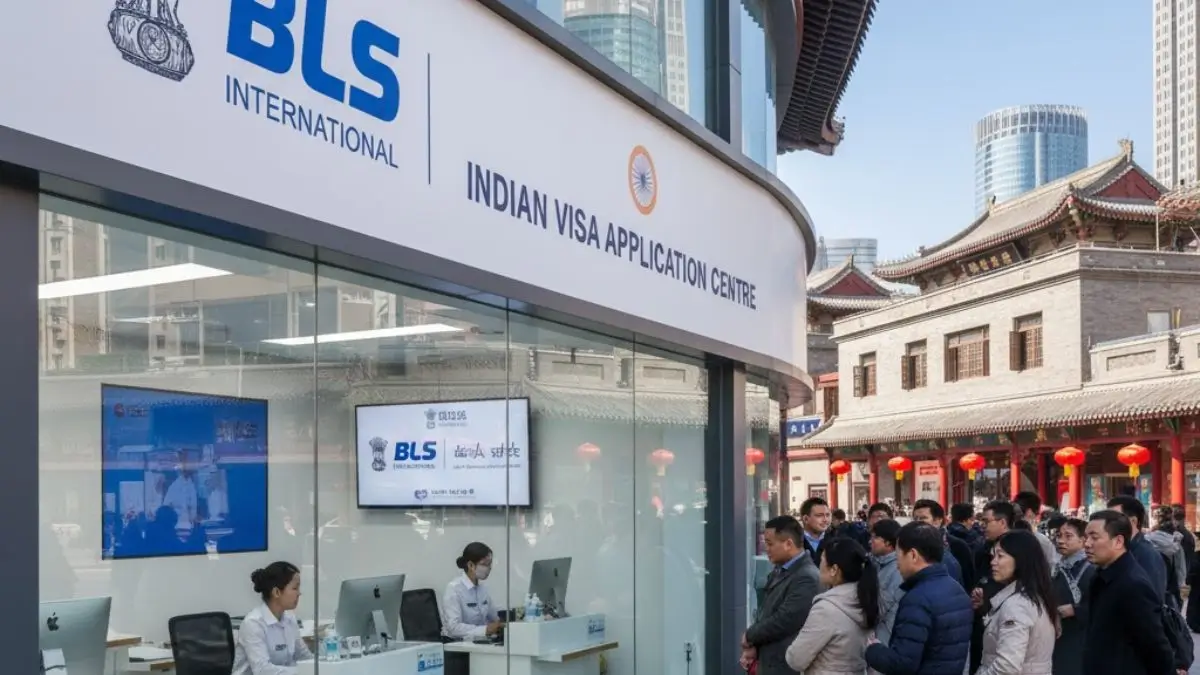
In a significant development for India’s diplomatic and consular services, BLS International Services Limited has been awarded a three-year contract by the Ministry of External Affairs (MEA) to establish and operate Indian Visa Application Centres (IVACs) in China. The contract, effective from October 14, 2025, marks a pivotal step in enhancing India’s visa facilitation infrastructure in the region.
Scope of the Contract
Under the terms of the agreement, BLS International will be responsible for setting up and managing IVACs in three major Chinese cities: Beijing, Shanghai, and Guangzhou. These centres are expected to offer streamlined, secure, and customer-friendly visa services, incorporating enhanced infrastructure and advanced technology to ensure a seamless experience for applicants. Multilingual staff will be deployed to assist a diverse clientele, reflecting India’s commitment to providing accessible services to international visitors.
Significance of the Development
This move comes shortly after a prior ban on BLS International by the MEA, which had restricted the company from participating in new tenders related to Indian missions and posts abroad. The lifting of this ban and the subsequent award of the contract signify a renewed trust in BLS International’s capabilities to manage visa services effectively. It also underscores India’s efforts to strengthen diplomatic ties and facilitate smoother travel processes for Chinese nationals and others seeking to visit India.
Technological and Service Enhancements
The new IVACs are set to feature upgraded infrastructure and advanced technological solutions aimed at enhancing the efficiency and security of the visa application process. The incorporation of multilingual staff is particularly noteworthy, as it will cater to the diverse linguistic needs of applicants, ensuring clear communication and better service delivery. These enhancements align with India’s broader goals of digital transformation and improved public service delivery.
Strategic Implications
The establishment of these centres in key Chinese cities is a strategic move to bolster India’s diplomatic presence and consular services in the region. It reflects a proactive approach to managing international relations and facilitating travel, which is crucial for tourism, business, and cultural exchange. Moreover, the successful implementation of this project could serve as a model for future collaborations between India and other nations in the realm of consular services.

Why This News is Important
Diplomatic Significance
The award of the contract to BLS International highlights India’s commitment to enhancing diplomatic relations with China. By improving visa facilitation services, India aims to foster better bilateral ties, promote tourism, and encourage cultural exchanges between the two nations.
Economic Implications
Efficient visa services are crucial for facilitating business and trade. The establishment of IVACs in China is expected to streamline the visa application process, potentially leading to increased business interactions and economic cooperation between India and China.
Technological Advancements
The integration of advanced technology in the visa application process demonstrates India’s focus on digital transformation. It reflects a broader trend of adopting technology to improve public services and meet the evolving needs of global travelers.
Enhanced Service Delivery
The deployment of multilingual staff and upgraded infrastructure at the new IVACs aims to provide a more user-friendly experience for applicants. This initiative underscores India’s dedication to delivering high-quality consular services to its international clientele.
Strategic Positioning
By establishing visa centres in major Chinese cities, India positions itself as a proactive and accessible partner in the region. This strategic move enhances India’s visibility and influence in Asia, contributing to its broader foreign policy objectives.
Historical Context
The relationship between India and China has been complex, characterized by periods of cooperation and tension. In recent years, diplomatic relations have faced challenges, including border disputes and geopolitical considerations. However, both nations recognize the importance of maintaining stable and constructive ties. The resumption of tourist visa issuance to Chinese nationals in July 2025, after a hiatus since 2020, marked a significant step towards normalizing relations. The establishment of IVACs in China further reflects India’s efforts to enhance diplomatic engagement and facilitate smoother interactions between the two countries.
Key Takeaways from “BLS International to Operate Indian Visa Centres in China”
| S.No | Key Takeaway |
|---|---|
| 1. | BLS International has been awarded a three-year contract by India’s Ministry of External Affairs to operate Indian Visa Application Centres in China. |
| 2. | The IVACs will be established in Beijing, Shanghai, and Guangzhou, aiming to streamline visa services for applicants. |
| 3. | The centres will feature enhanced infrastructure, advanced technology, and multilingual staff to ensure a seamless experience for applicants. |
| 4. | This development follows the lifting of a prior ban on BLS International by the MEA, indicating renewed trust in the company’s capabilities. |
| 5. | The establishment of IVACs in key Chinese cities reflects India’s strategic approach to strengthening diplomatic ties and facilitating smoother travel processes. |
FAQs: Frequently Asked Questions
1. What is BLS International’s new role in China?
BLS International has been awarded a three-year contract by the Ministry of External Affairs (MEA) to establish and operate Indian Visa Application Centres (IVACs) in China.
2. Which Chinese cities will have Indian Visa Application Centres?
The IVACs will be set up in Beijing, Shanghai, and Guangzhou.
3. Why is this development significant for India-China relations?
It strengthens diplomatic ties, facilitates smoother visa processes, promotes tourism, business, and cultural exchanges, and showcases India’s commitment to modernizing consular services.
4. What technological enhancements are planned for the new IVACs?
The centres will feature advanced infrastructure, digital systems, and multilingual staff to ensure a secure and user-friendly visa application process.
5. What was the previous status of BLS International with the MEA?
Previously, BLS International had a ban imposed by the MEA, restricting it from participating in tenders for Indian missions abroad, which has now been lifted.
6. When did the contract for BLS International come into effect?
The contract became effective on October 14, 2025.
7. How does this development impact business and trade?
Efficient visa services will streamline travel for businesspeople and foster stronger economic cooperation between India and China.
8. What is the broader strategic importance of these visa centres?
It enhances India’s diplomatic visibility in key Chinese cities, strengthens consular services, and aligns with India’s foreign policy objectives in Asia.
9. How does this align with India’s digital transformation goals?
The integration of technology and digital systems in the IVACs reflects India’s ongoing efforts to modernize public services and facilitate international travel.
10. Who can benefit from these new visa centres?
Chinese nationals, business travelers, tourists, students, and other international visitors seeking Indian visas will benefit from streamlined services.
Some Important Current Affairs Links