










Bamboo-Based Bioethanol & Polypropylene Projects inaugurated by PM Modi in Assam boost renewable energy, Make in India, and Northeast industrial growth. Know full details, investment, and significance.
PM Modi’s Inauguration of Bioethanol & Polypropylene Projects in Assam
Introduction
On 14 September 2025, Prime Minister Narendra Modi inaugurated India’s first bamboo-based bioethanol plant and laid the foundation stone for a polypropylene plant in Golaghat, Assam, marking a significant milestone in the country’s renewable energy and petrochemical sectors. These projects were part of a larger package of development initiatives in Assam costing approximately ₹18,530 crore, aimed at boosting industry, energy self-sufficiency, local employment, and sustainable development.
Bamboo-Based Bioethanol Plant: Key Details
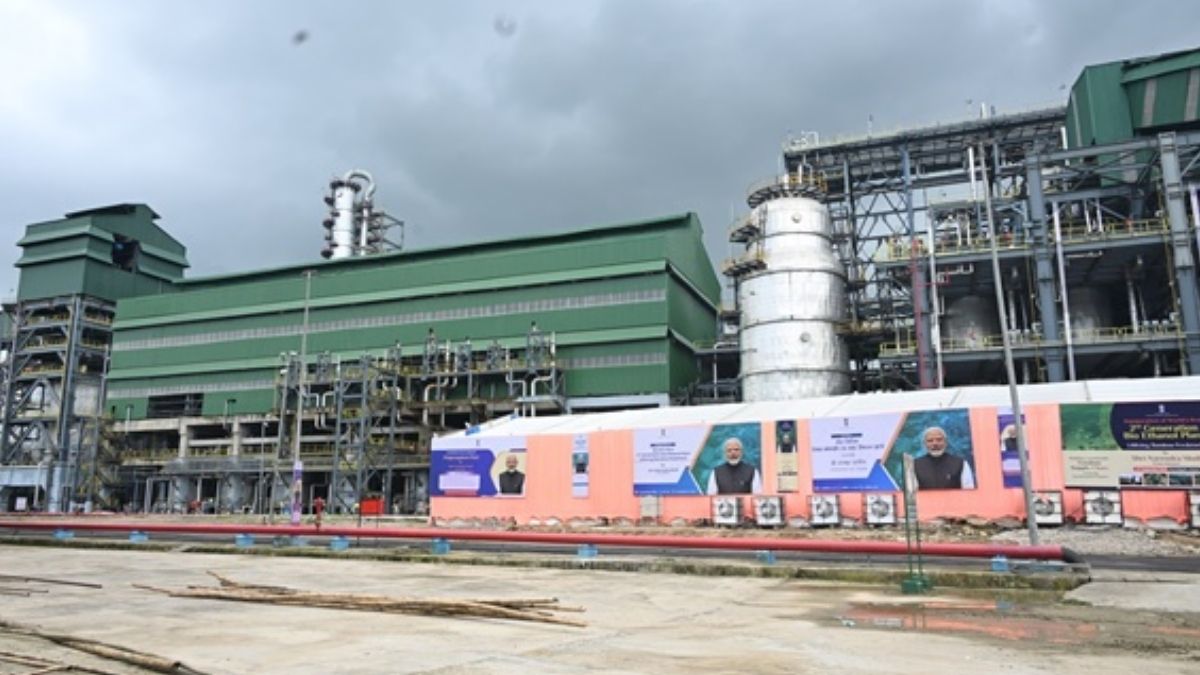
The bioethanol plant, established at Numaligarh Refinery Limited (NRL), is the first of its kind in India to use bamboo as feedstock for producing ethanol. It has been built with an investment of around ₹5,000 crore, in a joint venture involving NRL and foreign partners including Finland’s Fortum and Chempolis OY. The facility represents a second-generation bio-refinery focused on cleaner energy alternatives.
The plant is expected to reduce dependency on fossil fuels, provide direct benefit to farmers and tribal communities through bamboo cultivation and supply, and generate employment. Also, a dedicated investment of about ₹200 crore annually is planned for setting up small units for bamboo chipping and supporting bamboo supply chain infrastructure.
Polypropylene Plant: What It Means for Assam & India
Alongside the bioethanol plant, PM Modi laid the foundation for a polypropylene plant at the same refinery complex. The polypropylene facility is estimated to cost about ₹7,230 crore. Polypropylene is a plastic polymer widely used in many industries — packaging, textiles, automotive, medical, etc. The new plant is expected to strengthen India’s petrochemical capacity, contribute to “Make in India” and “Make in Assam” goals, and reduce import dependence of such industrial inputs.
Broader Industrial & Regional Development Package
These two major projects are part of a broader set of infrastructure and industrial development schemes inaugurated or initiated during PM Modi’s Assam visit, valued at over ₹18,530 crore in total. The intent is to spur economic growth in Assam, improve energy security, increase employment, develop rural supply chains (especially bamboo), and enhance manufacturing capabilities in the Northeast.
Challenges and Considerations
While the projects hold promise, there are considerations such as ensuring sustainable bamboo cultivation (without ecological degradation), logistics and supply chain for bamboo chips, ensuring local community benefit, technological efficiency of the bio-refinery processes, and ensuring that environmental norms are adhered to (waste, emissions). For polypropylene production, managing the environmental footprint (plastics, pollution), cost of raw materials, and maintaining competitiveness in global markets will be key.
Why This News is Important
Energy Self-Reliance & Green Transition
With rising global concerns over climate change, fossil fuel price volatility, and energy security, India’s move to inaugurate bamboo-based bioethanol plants signifies a major push towards renewable and alternative fuels. It reduces import dependence on crude oil and conventional fossil fuels, conserves foreign exchange, and aligns with India’s climate goals, such as net zero emissions commitments and the National Biofuels Policy. Students should note this as part of ongoing shifts in India’s energy policy.
Rural & Tribal Welfare & Economy
Using bamboo as raw material creates demand in rural and tribal regions (where bamboo is abundant), giving farmers and tribal populations new income streams. The policy changes (removing restrictions on bamboo cutting) also reflect social justice and resource access reforms, which may feature in questions on governance, sustainable development, and welfare.
Industrial Growth & “Make in India” Push
The polypropylene plant especially strengthens the upstream and downstream value chain in petrochemicals. It helps in boosting manufacturing capacities, reducing import bills for industrial polymers, and advancing the national “Make in India” and regional “Make in Assam” agendas. This ties into economic development, industrial policy, and infrastructure development themes in exams.
Strategic Importance for the Northeast
Assam and the Northeast region have historically been less industrialised compared to many other Indian states. These projects represent a push to change that, with potential to improve connectivity, infrastructure, and industry. Such initiatives may alter regional development dynamics, reduce migration, and contribute to balanced growth.
Historical Context
Earlier Biofuels & Ethanol Policy in India
India has been exploring biofuels (ethanol, biodiesel) for many years. The Ethanol Blended Petrol (EBP) programme (which seeks to blend ethanol with petrol) has been ongoing. Earlier ethanol sources were mainly from sugarcane, molasses, or first-generation feedstocks. Second-generation feedstocks like agro-residues, grasses, or forest biomass (e.g., bamboo) represent newer technology and more sustainable models.
Bamboo’s Traditional Role & Regulatory Change
Bamboo has been historically important in Northeast India for construction, craft, and cultural uses. However, cutting bamboo was heavily regulated under forest laws; violations could even lead to criminal penalties. Recently, the government has removed many of these restrictions to allow sustainable commercial use (for example, to supply raw materials for renewable energy) which has opened the door for projects like this.
Polypropylene & Petrochemical Industry Development in India
India’s petrochemical industry has largely been import-dependent for polymers and plastics inputs. Over the decades, efforts via subsidies, policy incentives, and “Make in India” have tried to develop domestic capacity. Polypropylene is especially important due to its widespread use in packaging, medical, textiles, etc. Assam’s refinery expansions & newer units (like this one at NRL) are part of this long term strategy to build capacities in the eastern/Northeastern region, reducing geographic imbalances.
Assam’s Industrial and Energy Transition
Assam has been home to oil and gas extraction for a long time (e.g. Assam oil fields) but less so of downstream high-value industries. There have been earlier initiatives to improve refining, energy generation (renewables), and infrastructure in Assam and neighboring states. The present projects mark a more concentrated push into cleaner energy (biofuels) and polymers, expanding the industrial base beyond just crude extraction and refining.
Key Takeaways from Assam’s Bioethanol & Polypropylene Projects
| S. No. | Key Takeaway |
|---|---|
| 1 | PM Modi inaugurated India’s first bamboo-based bioethanol refinery at Numaligarh Refinery Limited, Assam, valued at around ₹5,000 crore. |
| 2 | A polypropylene plant foundation was laid in Golaghat (Assam), costing approximately ₹7,230 crore, to boost local petrochemical manufacturing. |
| 3 | The combined investment for these and several other projects in Assam during this visit is over ₹18,530 crore, aimed at industrial, infrastructural, and energy development. |
| 4 | The bamboo-based bioethanol plant will require sustainable bamboo supply chains; government plans include support for farmers, tribal communities and bamboo chipping units with investment of around ₹200 crore annually. |
| 5 | These projects align with national goals like Make in India, energy self-reliance, green energy adoption, reducing import dependency, and regional development (especially Northeast India). |
FAQs: Frequently Asked Questions
1. What is the significance of the bamboo-based bioethanol plant inaugurated by PM Modi in Assam?
The bamboo-based bioethanol plant is India’s first of its kind and represents a major step towards renewable energy adoption, reducing fossil fuel dependency, creating rural employment, and supporting tribal communities through bamboo cultivation.
2. Where is the polypropylene plant being constructed in Assam?
The polypropylene plant is being set up at Numaligarh Refinery Limited, Golaghat, Assam, and will strengthen India’s petrochemical manufacturing and reduce import dependency.
3. How much investment has been allocated for bamboo-based bioethanol and polypropylene projects?
The bioethanol plant involves an investment of approximately ₹5,000 crore, while the polypropylene plant is estimated at ₹7,230 crore, part of a broader ₹18,530 crore development package in Assam.
4. What are the expected benefits of the bioethanol project for local communities?
Local farmers and tribal communities will benefit by supplying bamboo for ethanol production, generating new employment opportunities, and contributing to a sustainable rural economy.
5. How do these projects align with India’s national goals?
They support Make in India, promote renewable energy, enhance energy security, reduce import dependency, and foster industrial development, particularly in the Northeast region.
6. What is the feedstock used for the bioethanol plant?
The plant uses bamboo as a feedstock, marking a shift from traditional sugarcane or molasses-based ethanol production.
7. When was the foundation of these projects inaugurated?
PM Modi inaugurated the bioethanol plant and laid the foundation of the polypropylene plant on 14 September 2025.
Some Important Current Affairs Links




