







France political crisis deepens as Prime Minister Sébastien Lecornu resigns hours after forming his cabinet, highlighting political instability and coalition challenges.
France’s Political Turmoil Deepens as Prime Minister Lecornu Resigns Hours After Cabinet Formation
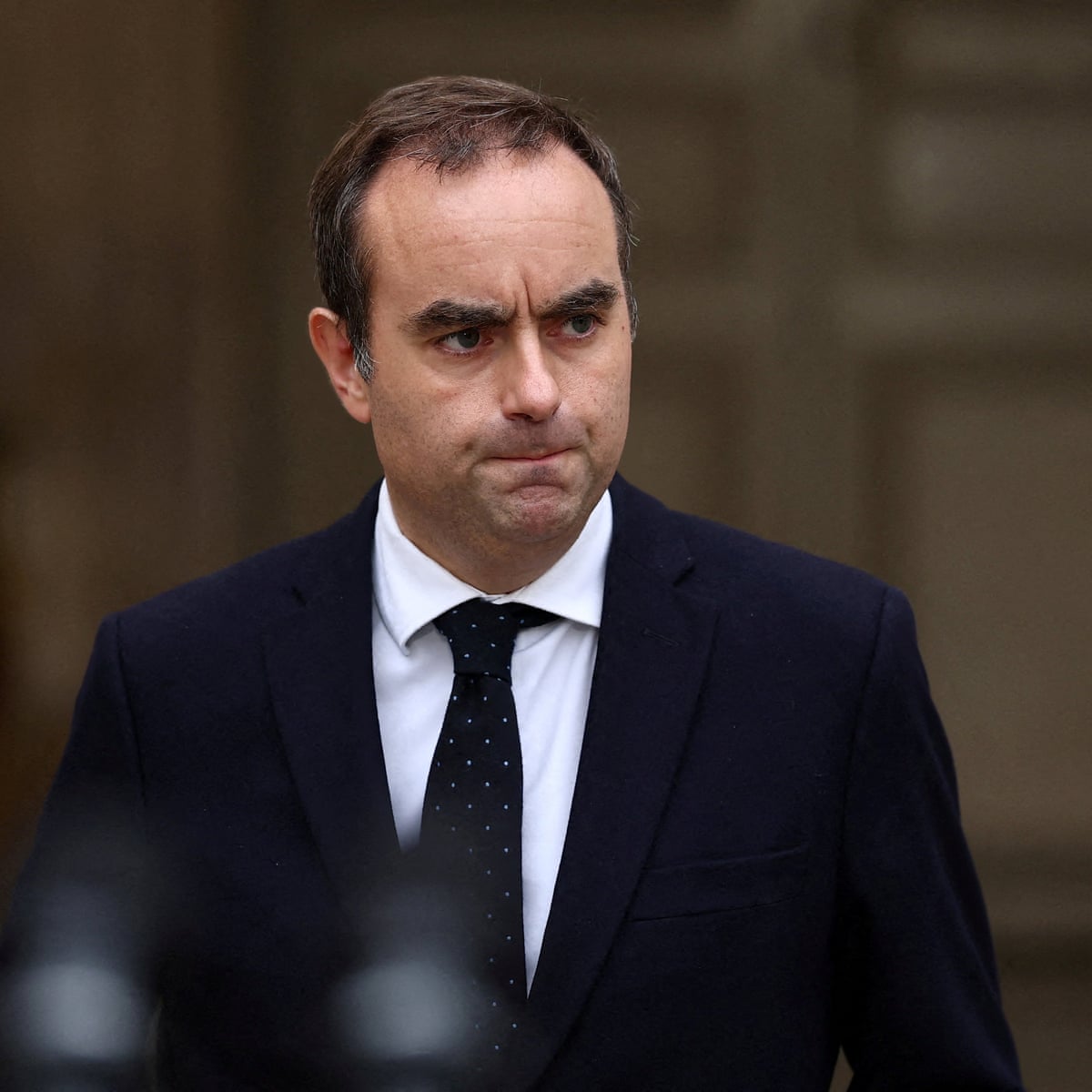
On October 6, 2025, France’s political landscape was further destabilized when newly appointed Prime Minister Sébastien Lecornu resigned just hours after unveiling his cabinet. This abrupt departure marked the shortest tenure for a French prime minister in modern history, lasting less than 24 hours. The resignation has intensified the ongoing political crisis, leaving the nation grappling with uncertainty and a fragmented leadership.
Immediate Fallout and Political Reactions
Lecornu’s resignation followed swift and widespread criticism from various political factions. The center-right Les Républicains party expressed dissatisfaction with the composition of the new government, while left-wing parties, including the Socialist Party and La France Insoumise, voiced concerns over the continuity of policies from the previous administration. This collective disapproval underscored the deep divisions within the French political spectrum.
In the wake of Lecornu’s resignation, President Emmanuel Macron has been urged to consider calling snap elections to resolve the deadlock. However, Macron has opted to appoint Lecornu as a caretaker prime minister to oversee urgent discussions on critical issues such as the national budget and the future of New Caledonia. These talks aim to stabilize the political environment and address pressing national concerns.
Implications for France’s Political Stability
The rapid succession of prime ministerial resignations—Lecornu being the fifth in three years—has eroded public confidence in the government’s ability to function effectively. The lack of a stable leadership has hindered the passage of significant reforms and has left key legislative agendas stalled. Moreover, the political fragmentation has emboldened opposition parties, with some calling for a complete overhaul of the current political system.
As France approaches the 2027 presidential election, the current political instability may influence voter sentiments and alter the dynamics of future electoral contests. The ongoing crisis presents a critical juncture for the nation’s democratic institutions and governance structures.
Why This News Is Important
Impact on Government Exams
Understanding the political developments in France is crucial for students preparing for government exams, especially those related to international relations, political science, and current affairs. The events surrounding Prime Minister Lecornu’s resignation offer insights into the complexities of coalition politics, the challenges of governance in a fragmented political landscape, and the mechanisms of parliamentary confidence votes. These topics are pertinent to various competitive exams, including those for civil services, foreign services, and administrative positions.
Global Political Dynamics
The situation in France reflects broader trends in global politics, where political instability and leadership changes are increasingly common. Analyzing such events helps students grasp the interconnectedness of national and international political systems and the factors that influence political stability worldwide.
Historical Context:
The political crisis in France has its roots in the 2024 legislative elections, which resulted in a fragmented National Assembly with no single party holding a clear majority. This fragmentation led to the formation of coalition governments that struggled to maintain internal cohesion. Prime Minister François Bayrou’s government collapsed in September 2025 following a failed confidence vote, paving the way for Lecornu’s brief tenure. Lecornu’s resignation highlights the ongoing challenges in French politics, characterized by shifting alliances and the difficulty of achieving consensus in a polarized environment.
Key Takeaways from ‘France’s Political Turmoil Deepens as Prime Minister Lecornu Resigns Hours After Cabinet Formation’
| No. | Key Takeaway |
|---|---|
| 1 | Prime Minister Sébastien Lecornu resigned less than 24 hours after forming his cabinet, marking the shortest tenure in French history. |
| 2 | Lecornu’s resignation intensified France’s political crisis, leading to calls for snap elections and a reevaluation of governance structures. |
| 3 | The rapid succession of prime ministers in recent years has eroded public confidence in the government’s stability and effectiveness. |
| 4 | President Macron appointed Lecornu as a caretaker prime minister to oversee urgent discussions on the national budget and New Caledonia’s future. |
| 5 | The ongoing political instability in France may influence the 2027 presidential election and alter the dynamics of future electoral contests. |
FAQs: Frequently Asked Questions
1. Who is Sébastien Lecornu?
Sébastien Lecornu is a French politician who briefly served as the Prime Minister of France in October 2025.
2. Why did Prime Minister Lecornu resign?
Lecornu resigned due to widespread criticism and political opposition regarding the composition of his cabinet and governance policies.
3. How long did Sébastien Lecornu serve as Prime Minister?
He served for less than 24 hours, making it the shortest tenure for a French Prime Minister in modern history.
4. Who appointed Lecornu as the caretaker Prime Minister after his resignation?
President Emmanuel Macron appointed him as caretaker Prime Minister to manage urgent discussions on critical national issues.
5. What are the key issues Lecornu was tasked to address as caretaker PM?
He was assigned to oversee discussions on the national budget and the political status of New Caledonia.
6. How many prime ministers have resigned in France in the last three years?
Lecornu was the fifth Prime Minister to resign in France over the past three years.
7. Why is this news important for government exam aspirants?
It illustrates political instability, coalition challenges, and parliamentary procedures, which are important topics for civil services and other government exams.
8. How might Lecornu’s resignation impact upcoming elections in France?
It may influence voter sentiment and the dynamics of the 2027 presidential elections.
9. Which political parties criticized Lecornu’s cabinet?
Center-right Les Républicains, Socialist Party, and La France Insoumise criticized the cabinet formation.
10. What is the historical context behind this political instability?
The 2024 legislative elections resulted in a fragmented National Assembly with no clear majority, leading to coalition instability.
Some Important Current Affairs Links