




Philippines India food imports surge as restrictions on basmati rice exports are lifted, boosting bilateral trade and enhancing food security in Southeast Asia.
Philippines to Boost Food Imports from India, Lifts Restrictions on Basmati Rice
Strengthening Bilateral Trade Relations
In a significant development, the Philippines has agreed to enhance its food imports from India, including the removal of restrictions on basmati rice. This decision was formalized during a high-level meeting between Philippine officials and the Indian Rice Exporters Federation (IREF) in New Delhi. The agreement aims to bolster agricultural trade and ensure food security for the Philippines.
Key Areas of Import Expansion
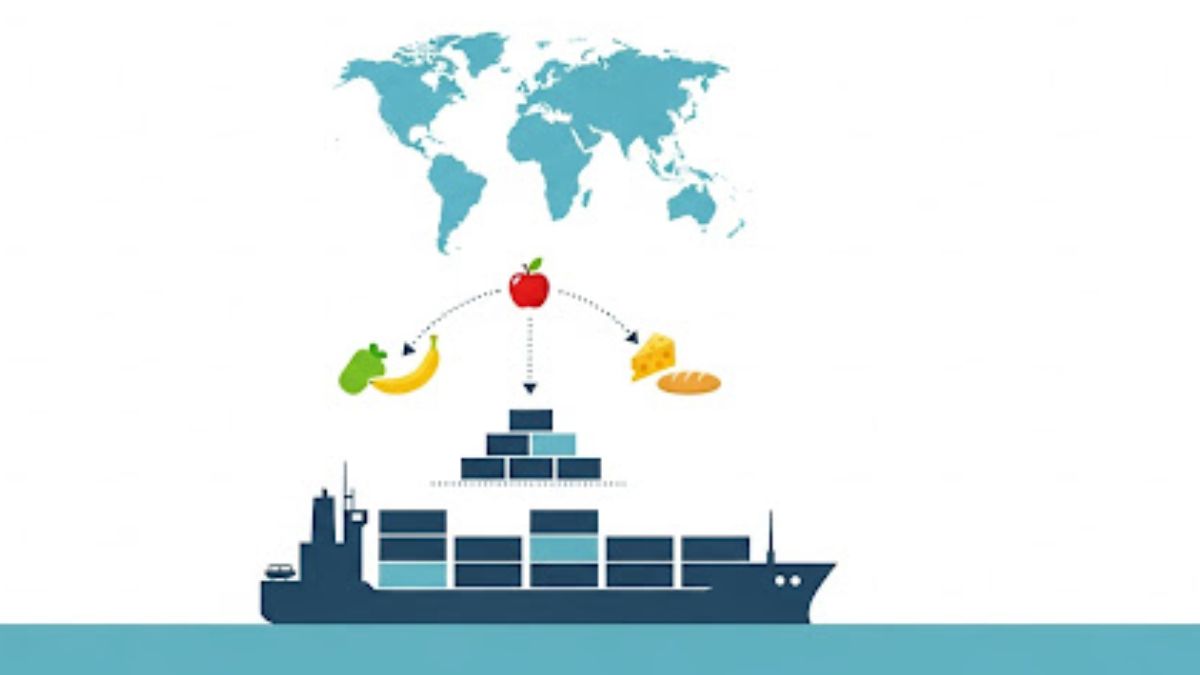
The Philippines has expressed interest in importing a variety of agricultural products from India. These include basmati rice, buffalo meat, vegetables, fruits, and peanuts. The Indian Rice Exporters Federation (IREF) has welcomed this move, highlighting the potential for increased exports and strengthened economic ties between the two nations.
Impact on Indian Exporters
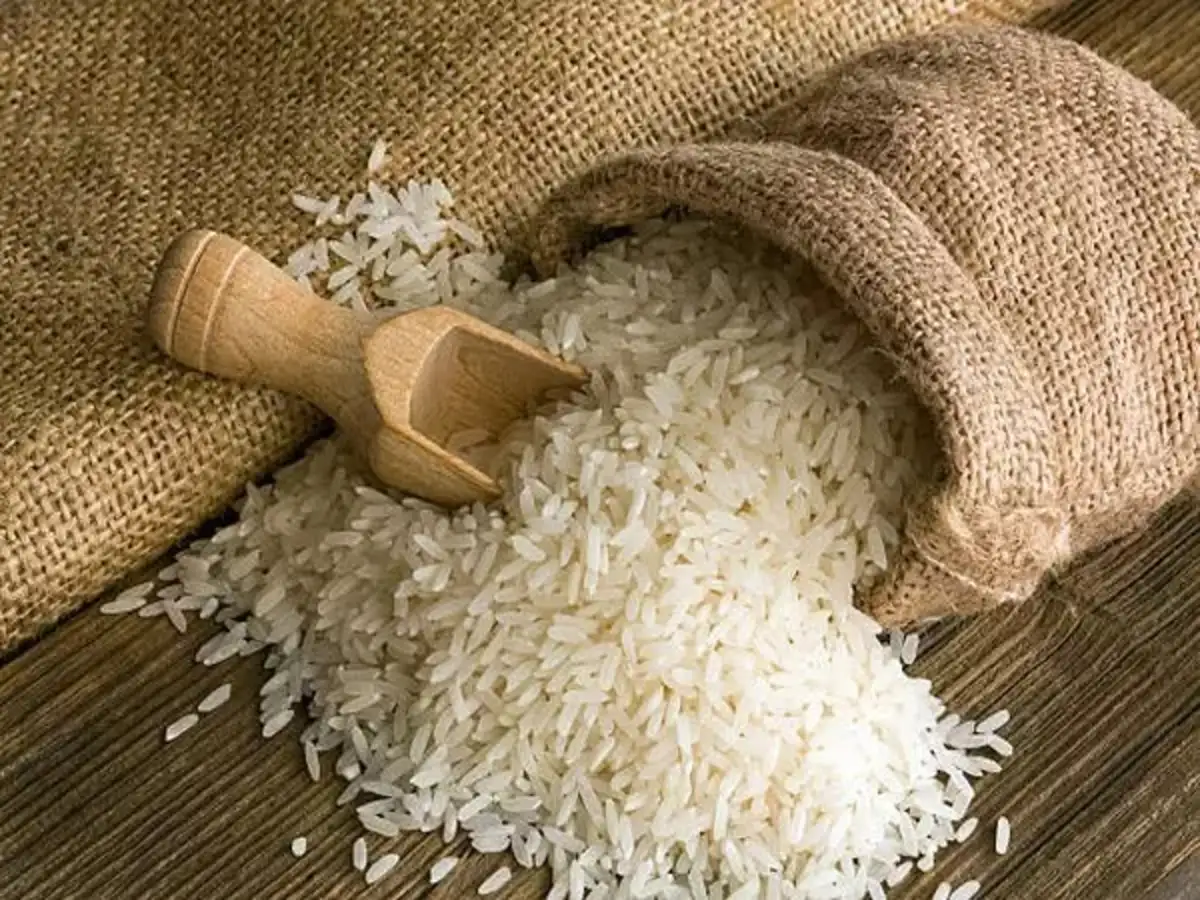
The lifting of restrictions on basmati rice exports is expected to benefit Indian exporters significantly. Previously, a Minimum Export Price (MEP) of $950 per tonne had limited the competitiveness of Indian basmati rice in international markets. With the removal of this price floor, Indian exporters can offer basmati rice at more competitive rates, potentially increasing their market share in Southeast Asia .
Enhancing Food Security
For the Philippines, this move is crucial in addressing its food security concerns. The country has faced challenges in stabilizing rice prices and ensuring a steady supply. By diversifying its sources and increasing imports from India, the Philippines aims to mitigate risks associated with over-reliance on a single supplier and manage price volatility effectively .
Future Prospects
Looking ahead, both nations are optimistic about the prospects of this expanded trade relationship. The Philippines has indicated plans to import approximately 2 million metric tonnes of rice and paddy in 2026. This projection underscores the growing demand and the potential for increased collaboration between India and the Philippines in the agricultural sector
Why This News is Important
Significance for Indian Exporters
The removal of the Minimum Export Price (MEP) on basmati rice opens up new avenues for Indian exporters. This policy shift allows them to offer competitive pricing, enhancing their presence in international markets and potentially increasing export volumes.
Strategic Move for the Philippines
For the Philippines, diversifying its rice import sources is a strategic move to ensure food security. By reducing dependence on a single supplier, the country can better manage supply chain disruptions and price fluctuations, leading to more stable domestic markets.
Economic Implications
This development has positive economic implications for both nations. India stands to gain from increased export revenues, while the Philippines benefits from a more stable and diverse food supply, contributing to overall economic stability.
Regional Trade Dynamics
The agreement reflects a broader trend of strengthening regional trade ties. It highlights the importance of agricultural trade in fostering economic cooperation and stability in the Asia-Pacific region.
Global Market Impact
On a global scale, this move could influence rice market dynamics. With India re-entering the market with competitive pricing, other rice-exporting countries may need to adjust their strategies, potentially leading to more balanced global rice trade
Historical Context
India’s position as a leading rice exporter has been solidified over the years through consistent production and strategic trade policies. The lifting of export restrictions, including the removal of the MEP on basmati rice, is part of India’s broader agricultural policy reforms aimed at boosting exports and supporting farmers
The Philippines, on the other hand, has historically been one of the world’s largest rice importers. The implementation of the Rice Tariffication Law in 2019 marked a significant shift in its rice importation policy, transitioning from quantitative restrictions to tariffs. This move aimed to stabilize rice prices and ensure a steady supply, though it also led to challenges for local farmers due to increased competition from imports .
The recent agreement between India and the Philippines to enhance agricultural trade, including the lifting of basmati rice export restrictions, represents a strategic alignment of interests. It addresses the Philippines’ need for a diverse and stable rice supply while providing Indian exporters with expanded market opportunities.
Key Takeaways from “Philippines to Boost Food Imports from India, Lifts Restrictions on Basmati Rice”
| S.No | Key Takeaway |
|---|---|
| 1 | The Philippines has agreed to lift restrictions on basmati rice imports from India, facilitating increased trade. |
| 2 | Indian exporters can now offer basmati rice at competitive prices, enhancing their market presence in Southeast Asia. |
| 3 | The Philippines plans to import approximately 2 million metric tonnes of rice and paddy in 2026, indicating growing demand. |
| 4 | Diversifying rice import sources helps the Philippines mitigate risks associated with supply chain disruptions and price volatility. |
| 5 | The agreement reflects a strategic move by both nations to strengthen bilateral trade relations and ensure food security. |
FAQs: Frequently Asked Questions
Q1. Why has the Philippines lifted restrictions on basmati rice imports from India?
The Philippines lifted restrictions to diversify its rice import sources, enhance food security, and stabilize domestic rice prices.
Q2. What impact does lifting the Minimum Export Price (MEP) on basmati rice have for Indian exporters?
It allows Indian exporters to offer basmati rice at more competitive prices, increasing their market share in international markets, especially Southeast Asia.
Q3. What types of agricultural products will the Philippines import from India apart from basmati rice?
The Philippines is interested in importing buffalo meat, vegetables, fruits, peanuts, and other food items from India.
Q4. How does this agreement benefit the Philippines economically?
By diversifying rice import sources, the Philippines can reduce risks related to supply chain disruptions and price volatility, thus stabilizing the food market.
Q5. What is the projected quantity of rice imports by the Philippines from India in 2026?
The Philippines plans to import approximately 2 million metric tonnes of rice and paddy from India in 2026.
Q6. What was the Minimum Export Price (MEP) on basmati rice before it was removed?
The MEP was set at $950 per tonne, which restricted competitive pricing for Indian exporters.
Q7. How does this trade agreement reflect on India’s position in the global rice market?
It strengthens India’s position as a leading rice exporter by opening new markets and increasing export volumes.
Some Important Current Affairs Links