





Nepal social media ban 2025 triggered Gen Z protests, resulting in deaths, ministerial resignations, and political turmoil. Key insights for civil service and government exam aspirants.
Nepal Reverses Social Media Ban After Deadly ‘Gen Z Protests’
In early September 2025, the Government of Nepal issued a sweeping ban on 26 major social media platforms—including Facebook, WhatsApp, Instagram, X (formerly Twitter), YouTube, LinkedIn, and Reddit—citing their failure to register with governmental authorities as mandated by a Supreme Court directive The ban, intended to curb misinformation, fake identities, and hate speech, triggered widespread outrage, particularly among Nepal’s youth, who saw it as an authoritarian move to suppress digital freedom
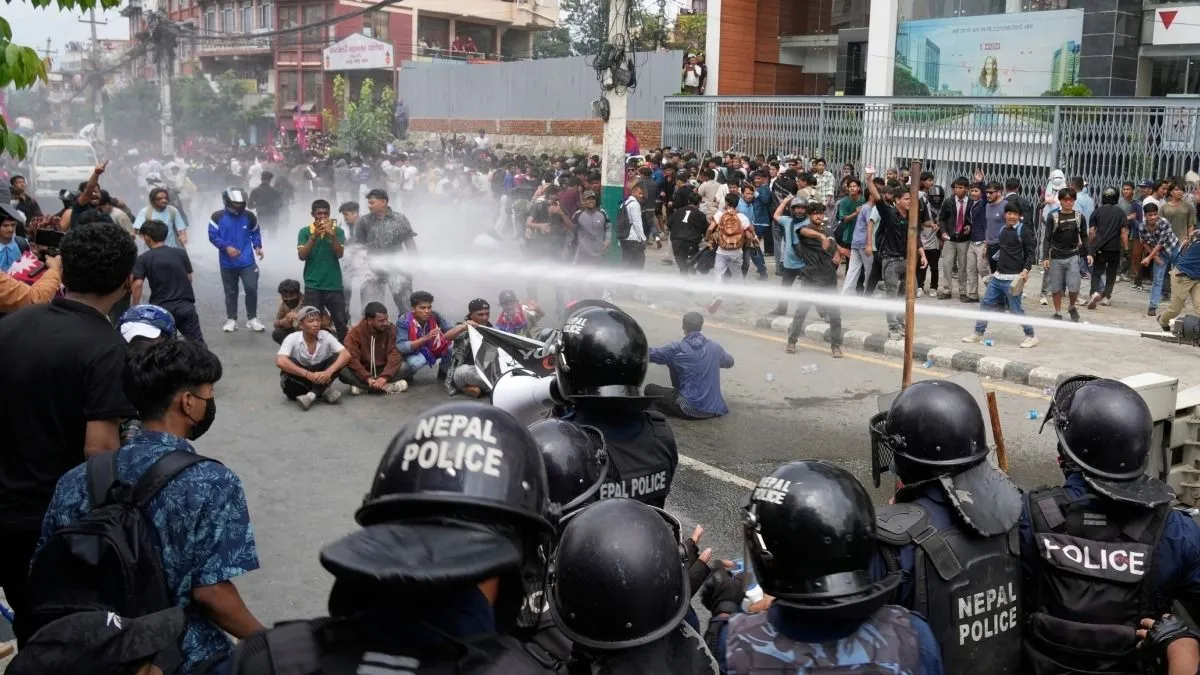
Dubbed the “Gen Z protests,” demonstrations rapidly engulfed Kathmandu and other cities as young Nepalis mobilized via remaining accessible platforms like TikTok and Viber Protesters demanded the restoration of social media access, greater transparency, accountability from political leaders—many of whom were accused of nepotism, flaunted wealth, and elite privilege—and systemic reforms
On September 8 and 9, clashes between demonstrators and security forces turned deadly. Police responded with tear gas, rubber bullets, and live ammunition. Official reports confirmed at least 19 deaths and dozens to hundreds injured, across Kathmandu and other cities like Itahari The Home Minister, Ramesh Lekhak, resigned amid mounting moral pressure
Sensing escalating unrest, the government lifted the social media ban, restoring access to blocked platforms by early September 9Despite this, protests persisted, with demonstrators targeting residences of political figures and government buildings, invoking the broader struggle against corruption and authoritarianism
Amid intensifying unrest, Prime Minister K.P. Sharma Oli resigned on September 9 to facilitate political resolution and ease the crisis . In parallel, the government announced a 15-day independent investigation, relief packages for victims’ families, and free medical treatment for the injured The protests have spotlighted deep-seated disillusionment among Nepal’s youth—driven by corruption, unemployment, lack of opportunities, and constraints on freedom of expression.

B) Why This News Is Important
Youth Mobilization and Political Awakening
The Gen Z protests represent one of Nepal’s most significant youth-led movements in recent history. Young people, disillusioned by entrenched corruption and political nepotism, effectively mobilized using digital means to demand accountability and democratic spaces
Digital Rights and Censorship Debate
The ban on social media platforms ignited intense discussions about censorship, state surveillance, and citizens’ rights in the digital age. Nepal’s actions echo global concerns about governments overreaching under the guise of regulation, raising alarms among rights groups about threats to free expression
State Response and Crisis Management
The government’s decision to withdraw the ban, accept ministerial resignations (Home Minister, later PM), and announce relief measures reveals both the power of civil unrest in shaping policy and the vulnerabilities of autocratic maneuvers. The swift resignation of PM Oli underscores how protests can rapidly shift power dynamics
Relevance for Exam Aspirants
For students preparing for government exams (e.g., civil services, defense, banking), this episode is a rich case study in governance, civic engagement, youth activism, and crisis diplomacy. It illustrates how digital policy, constitutional law, and public sentiment intersect with broader themes like accountability, civil liberties, and state legitimacy.
C) Historical Context
Background of Nepal’s Digital Regulation and Youth Discontent
Nepal has grappled with political instability since abolishing its monarchy in 2008. In recent years, concerns over misinformation, cybercrime, and content moderation led the Supreme Court to mandate social media platforms to register with the government; this was to ensure oversight and accountability On September 4, 2025, after no response from major platforms, authorities enacted a sweeping ban affecting key apps used for communication and commerce
Simultaneously, youth voices online began drawing attention to the lifestyles of politicians’ offspring—labeled as “nepo kids”—highlighting systemic inequality, nepotism, and corruption . This trend fueled discontent among Gen Z, who felt their future was being jeopardized by a stagnant political class.
The TikTok ban in 2023, subsequently lifted in 2024 upon compliance, set a precedent for how digital platforms could negotiate with the state—an episode that added to the context when broader bans were imposed in 2025
Therefore, the 2025 Gen Z protests are rooted not merely in a digital policy but in prolonged frustration among youth over limited opportunities, economic stagnation, and restricted democratic space. The unrest reflects a tipping point where digital friction converged with broader governance crises.
D) Key Takeaways from “Nepal Reverses Social Media Ban After Deadly Gen Z Protests”
| S. No. | Key Takeaway |
|---|---|
| 1. | The Nepal government banned 26 major social media platforms beginning on September 4, 2025, due to non-compliance with mandatory registration laws |
| 2. | The ban triggered “Gen Z protests,” with youth-led demonstrations across Nepal demanding digital freedoms, anti-corruption, and political accountability |
| 3. | Clashes between protesters and security forces turned violent—resulting in at least 19 deaths and many injuries, prompting resignations including that of the Home Minister |
| 4. | The government swiftly lifted the social media ban by September 9, restored access, and promised relief and a 15-day investigation into the violence |
| 5. | Prime Minister K.P. Sharma Oli resigned on September 9, 2025, illustrating how civil unrest and protest can swiftly shift Nepal’s governance and accountability landscape |
FAQs: Frequently Asked Questions
1. Why did Nepal ban social media platforms in September 2025?
Nepal banned 26 major social media platforms after they failed to register with the government as mandated by the Supreme Court to curb misinformation, fake accounts, and hate speech.
2. Which social media platforms were affected by the ban?
Platforms including Facebook, WhatsApp, Instagram, X (formerly Twitter), YouTube, LinkedIn, and Reddit were blocked.
3. What triggered the Gen Z protests in Nepal?
The protests were sparked by the social media ban and broader youth discontent over corruption, nepotism, unemployment, and lack of transparency in governance.
4. How many people died during the Nepal Gen Z protests?
At least 19 protesters were reported dead, with many others injured during clashes with security forces.
5. What were the government’s responses to the protests?
The government lifted the social media ban, announced a 15-day independent investigation, offered relief packages to victims’ families, and provided free medical treatment to the injured. Prime Minister K.P. Sharma Oli also resigned.
6. Who resigned during the crisis in Nepal?
Home Minister Ramesh Lekhak resigned first, followed by Prime Minister K.P. Sharma Oli on September 9, 2025.
7. How are the protests significant for youth and digital rights?
The Gen Z protests demonstrated the power of youth mobilization and highlighted issues related to digital freedom, government overreach, and civic activism in the digital era.
Some Important Current Affairs Links