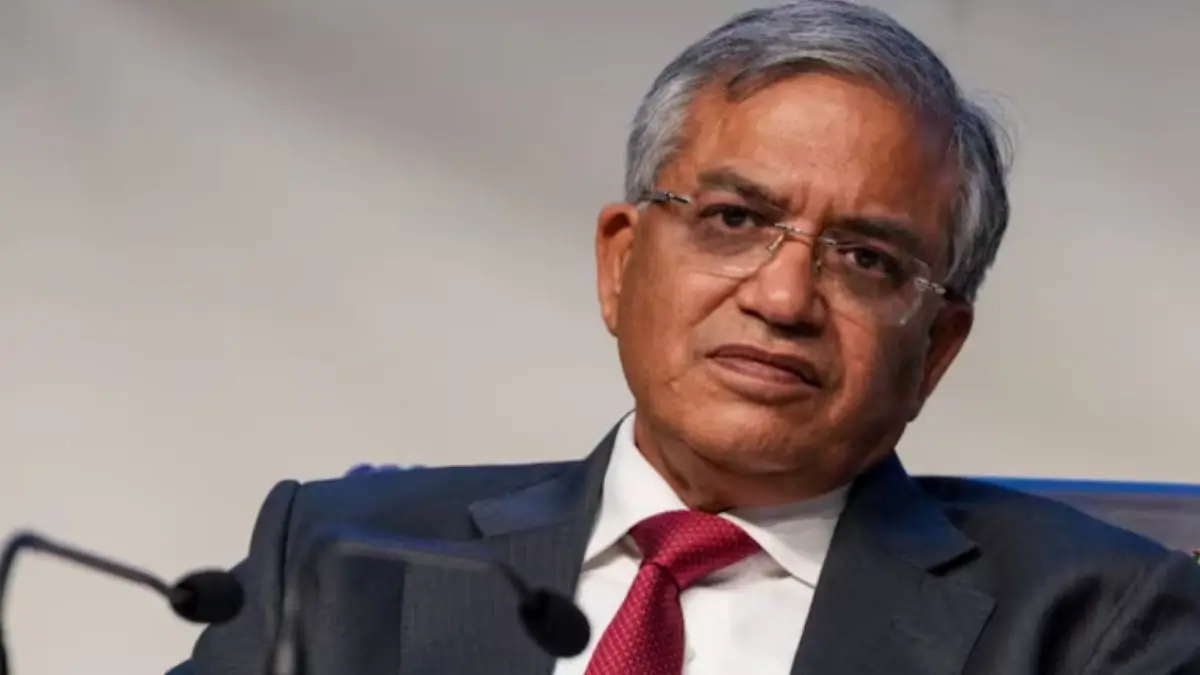










Myanmar military chief Min Aung Hlaing elected president after parliamentary vote, consolidating military rule and impacting regional security, democracy, and civil conflict.
Myanmar Military Chief Min Aung Hlaing Becomes President After Parliament Vote
April 3, 2026 – Senior General Min Aung Hlaing, the head of Myanmar’s ruling military, has been elected President of Myanmar after securing a decisive majority in the country’s parliamentary vote on April 3, 2026. This marks a significant consolidation of military control over the Southeast Asian nation’s government five years after the military seized power.
The vote took place in Naypyidaw, Myanmar’s capital, where lawmakers from the pro‑military Union Solidarity and Development Party (USDP) and military appointees dominated the Union Parliament. Min Aung Hlaing received a clear majority, winning against his rivals and earning more than half of the votes cast by the country’s lawmakers.
This election followed pro‑military parliamentary elections held in December 2025 and January 2026. These polls were widely criticised by global observers as being neither free nor fair, with major opposition parties barred or discouraged from contesting and voting prevented in areas controlled by resistance groups.
With his new position as president, Min Aung Hlaing formally transitions from the role of senior general to the country’s head of state after stepping down from his military post to comply with constitutional requirements. Analysts say that this move is designed to legitimise military rule under a civilian facade, even as civil conflict and resistance against the junta continue across the nation.
The international community has reacted with concern, noting that this development deepens political instability in Myanmar while complicating efforts to restore democratic governance and improve humanitarian conditions.

Why This News Is Important for Competitive Exams
1. Significance in World Politics and Democracy
The election of Min Aung Hlaing represents a major political event in Asia, influencing global discussions on military rule, democracy, and governance. For students preparing for civil services, understanding such shifts offers insight into how power transitions occur under undemocratic processes and international reactions to them.
This event highlights how constitutional systems can be manipulated by military regimes to maintain power under the guise of democratic practice — a critical issue in comparative politics and international relations. Awareness of this development helps students analyse the challenges of democratic restoration and the resilience of authoritarian structures in modern geopolitical contexts.
2. Impact on Regional Stability and Security
Myanmar shares borders with India, China, Bangladesh and other ASEAN nations, making this leadership change strategically important for regional security. Countries in Southeast Asia are closely watching how Myanmar’s deepening civil conflict may affect cross‑border insurgencies, refugee flows, and security cooperation. Students of defence and foreign policy must be familiar with such developments to assess implications for national and regional peace.
Understanding these dynamics prepares competitive exam aspirants to answer questions on international security, diplomacy, regional alliances, and human rights issues in a clear, informed manner. Analysts suggest that the presidency may not reduce internal violence or improve Myanmar’s strained international relations, making this an event with both immediate and long‑term consequences.
Historical Context: Background to Min Aung Hlaing’s Presidency
1. 2021 Military Coup
Myanmar’s political landscape dramatically changed on February 1, 2021, when General Min Aung Hlaing led a military coup, detaining elected leaders, including Nobel laureate Aung San Suu Kyi, and dissolving the civilian government. The junta justified its takeover by alleging fraud in the 2020 general elections — claims widely rejected by international observers.
Since then, political rights have been severely restricted, opposition parties suppressed, and civil conflict escalated as resistance groups formed armed fronts against the junta.
2. Military Dominance and Elections
In late 2025 and early 2026, Myanmar held parliamentary elections under a military‑drafted constitution that heavily favoured the USDP and guaranteed military influence by reserving a quarter of seats for armed forces appointees. Critics labelled the elections a sham, noting that key opposition groups were excluded, voter participation was limited in rebel‑held zones, and international monitoring was absent.
This election paved the way for Min Aung Hlaing’s candidacy for the presidency under controlled conditions that virtually ensured his victory.
3. Continuity of Conflict
After the coup, Myanmar plunged into ongoing civil strife, with large sections of the population resisting military rule. Ethnic armed organisations and newly formed alliances oppose the junta’s authority, resulting in widespread violence, displacement, and humanitarian crises.
Min Aung Hlaing’s elevation as president reflects a consolidation of military control rather than a return to genuine democratic governance, complicating prospects for peace and reconciliation.
Key Takeaways from Min Aung Hlaing Becomes President
| S.No. | Key Takeaway |
|---|---|
| 1 | Min Aung Hlaing, Myanmar’s military chief, was elected president by the Union Parliament on April 3, 2026. |
| 2 | The vote followed parliamentary elections dominated by the pro‑military Union Solidarity and Development Party. |
| 3 | This marks the consolidation of military power under a civilian title, amid criticisms of unfair elections. |
| 4 | Myanmar’s democratic restoration remains uncertain as civil conflict continues across the country. |
| 5 | Regional security implications are significant due to Myanmar’s borders with India and ASEAN nations. |
FAQs: Frequently Asked Questions
1. Who is Min Aung Hlaing?
Min Aung Hlaing is the senior general and former military chief of Myanmar who led the 2021 coup and has now been elected as the President of Myanmar.
2. When did Min Aung Hlaing become President?
He was officially elected President on April 3, 2026, following a parliamentary vote dominated by pro-military lawmakers.
3. How was the election conducted?
The election was held in Myanmar’s Union Parliament, where military appointees and members of the pro-military party (USDP) voted, leading to a majority in favor of Min Aung Hlaing.
4. Why was this election controversial?
International observers and critics described the election as neither free nor fair, citing exclusion of opposition parties, voter suppression in rebel-controlled areas, and lack of impartial monitoring.
5. What is the significance of Min Aung Hlaing’s presidency?
His presidency formalizes military rule under a civilian facade, influences regional security, impacts democratic restoration, and affects Myanmar’s internal civil conflict.
6. How does this affect India and ASEAN countries?
Myanmar shares borders with India and other ASEAN nations; the consolidation of military power raises concerns over cross-border insurgency, refugee flows, and regional stability.
7. What was the historical context leading to this presidency?
After the 2021 military coup, Min Aung Hlaing controlled Myanmar’s military and government, followed by pro-military elections in 2025–26, leading to his elevation as president.
Some Important Current Affairs Links