









Mount Ibu Eruption Leads to Evacuations in Indonesia
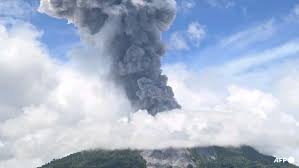
Significant Volcanic Activity Mount Ibu, an active volcano on Halmahera Island in eastern Indonesia, has shown increased volcanic activity, prompting the evacuation of hundreds of residents. Following two consecutive days of massive eruptions, authorities raised the alert status to the highest level. The volcano emitted ash and smoke up to 5,000 meters into the sky, indicating severe activity.
Evacuation and Safety Measures Authorities have evacuated residents from seven nearby villages, prioritizing their safety. Around 400 people were initially moved to shelters, with more evacuations expected. An exclusion zone has been established, spanning four to seven kilometers from the volcano’s summit, to minimize the risk to life and property. Residents are urged to avoid this area to stay safe.
Ongoing Eruptions and Challenges Additional eruptions have continued, with volcanic ash reaching 4,000 meters above the summit. This ongoing activity poses challenges for local authorities and residents, requiring continuous monitoring and responsive measures. The country’s geology agency has issued advisories for residents and tourists to wear face masks to protect against falling ash.
Geological Context of Indonesia Indonesia, located in the Pacific “Ring of Fire,” is prone to frequent seismic and volcanic events due to its geological characteristics. Mount Ibu is one of the country’s most active volcanoes, having erupted over 21,000 times in the past year. The recent activity underscores Indonesia’s need for robust natural disaster preparedness and response strategies.
Why This News is Important
Impact on Local Communities The evacuation of hundreds of residents near Mount Ibu highlights the immediate threat posed by the volcano’s increased activity. Ensuring the safety of these communities is a top priority, and the prompt response by authorities reflects the critical nature of the situation. This event is a stark reminder of the risks associated with living near active volcanoes.
Geopolitical and Environmental Significance Indonesia’s frequent seismic and volcanic activity is a result of its location within the Pacific “Ring of Fire.” Understanding these natural events is crucial for developing effective disaster management and response strategies. This incident adds to the ongoing dialogue about environmental challenges faced by countries in this volatile region.
Preparedness and Response Measures The swift evacuation and establishment of an exclusion zone demonstrate the importance of preparedness and effective response in managing natural disasters. This situation serves as a case study for emergency management professionals and policymakers, emphasizing the need for comprehensive disaster preparedness plans.
Historical Context
Volcanic Activity in Indonesia; Indonesia is home to over 130 active volcanoes, more than any other country in the world. Its location on the Pacific “Ring of Fire” makes it particularly susceptible to volcanic eruptions and earthquakes. Historically, significant eruptions like those of Mount Krakatoa in 1883 and Mount Tambora in 1815 have had devastating global impacts, influencing climate and human activity worldwide.
Mount Ibu’s Activity Mount Ibu is known for its frequent eruptions. In recent years, it has been closely monitored due to its persistent activity. The current eruptions are part of a pattern of increased volcanic activity observed over the past decade, reflecting broader trends in the region’s geological behavior.
Key Takeaways from the Mount Ibu Eruption
| Serial Number | Key Takeaway |
|---|---|
| 1 | Mount Ibu’s alert status was raised to the highest level due to increased volcanic activity. |
| 2 | Hundreds of residents were evacuated from seven villages near the volcano. |
| 3 | An exclusion zone of four to seven kilometers has been established around the summit. |
| 4 | Continuous eruptions pose challenges for local authorities and residents. |
| 5 | Indonesia’s location in the Pacific “Ring of Fire” necessitates robust disaster preparedness and response strategies. |
Important FAQs for Students from this News
Q1: What is the reason behind the evacuation near Mount Ibu?
- The evacuation was prompted by increased volcanic activity, including significant eruptions and ash emissions.
Q2: How high did the ash and smoke from Mount Ibu rise?
- The ash and smoke from Mount Ibu rose up to 5,000 meters into the sky.
Q3: How many people were initially evacuated from the affected area?
- Approximately 400 residents from seven villages were initially evacuated.
Q4: What safety measures have been implemented for the residents?
- An exclusion zone of four to seven kilometers from the summit has been established, and residents are advised to wear face masks to protect against ash.
Q5: Why is Indonesia prone to volcanic eruptions and earthquakes?
- Indonesia is located on the Pacific “Ring of Fire,” a region with frequent seismic and volcanic activity due to tectonic plate movements.
Some Important Current Affairs Links