





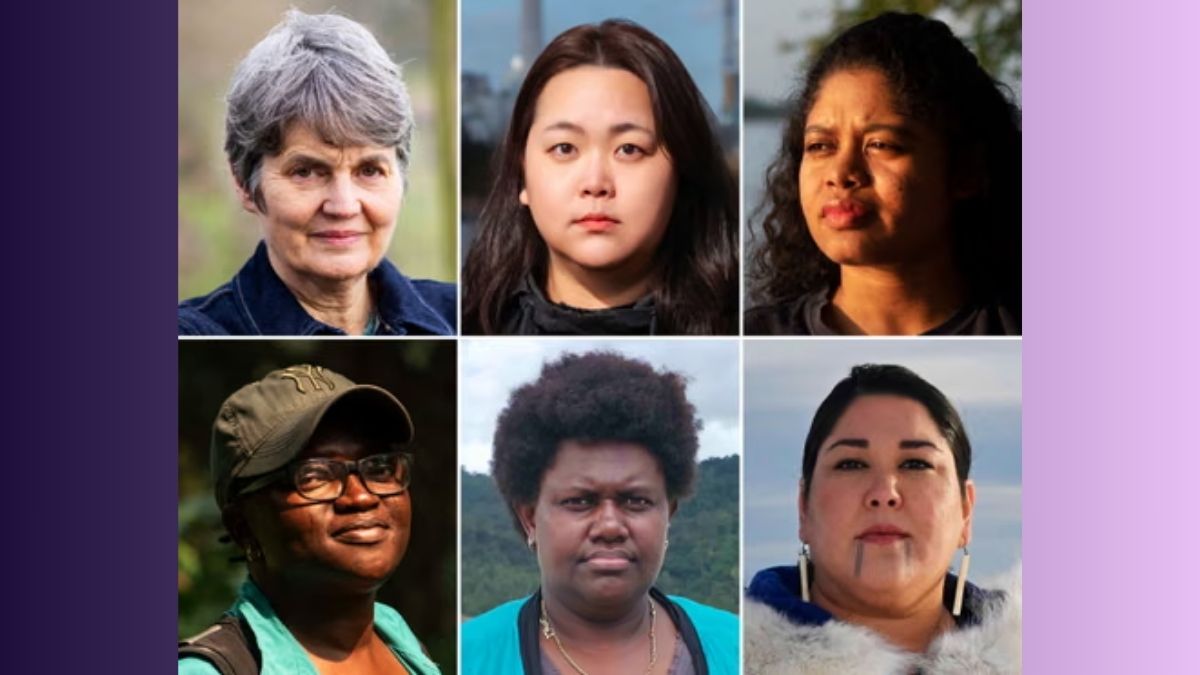
Goldman Environmental Prize 2026 honours first all-women cohort of environmental leaders worldwide. Check winners, importance, history, and key exam takeaways for UPSC and competitive exams.
Goldman Environmental Prize 2026 Recognises Six Women Environmental Champions
🌿 Introduction: Historic Achievement in Environmental Recognition
The Goldman Environmental Prize 2026 has created history by honouring an all-women cohort of six grassroots environmental activists for the first time since its inception in 1989. Often referred to as the “Green Nobel Prize”, the award recognises individuals who lead powerful environmental movements at the community level across the world.
The 2026 winners represent six different regions, including Africa, Asia, Europe, North America, South America, and island nations. Their work focuses on fighting climate change, biodiversity loss, illegal mining, fossil fuel expansion, and environmental injustice.
🌎 Global Recognition of Grassroots Environmental Leadership
The Goldman Environmental Prize 2026 celebrates six women whose activism has led to real-world environmental and legal impacts. The winners are:
- Iroro Tanshi (Nigeria)
- Borim Kim (South Korea)
- Sarah Finch (United Kingdom)
- Theonila Roka Matbob (Papua New Guinea)
- Alannah Acaq Hurley (United States)
- Yuvelis Morales Blanco (Colombia)
Each of these leaders has contributed significantly to environmental protection, from stopping destructive mining projects to influencing climate laws and protecting indigenous lands.
⚖️ Legal and Environmental Impact of the Winners
One of the most notable winners is Sarah Finch (UK), whose legal case influenced climate policy by requiring governments to consider emissions from fossil fuel use before approving projects. This ruling has already impacted oil and coal project approvals in the UK.
Other winners have:
- Protected biodiversity and endangered species
- Stopped large-scale mining projects
- Challenged corporate pollution activities
- Strengthened indigenous environmental rights
🌱 Global Significance of the 2026 Award
The 2026 edition is historic because it is the first time all recipients are women in the 37-year history of the award.
This highlights the increasing role of women in global environmental leadership and grassroots activism.

⭐ Why this News is Important
🌍 Importance for Environment and Climate Governance
The Goldman Environmental Prize 2026 is significant because it highlights how grassroots activism directly influences global environmental policy and climate governance. The recognition of six women from different continents shows that environmental protection is not limited to governments or international organisations but is strongly driven by local communities.
⚖️ Legal and Policy Impact
The award also reflects how environmental activism can lead to legal reforms and policy changes, as seen in Sarah Finch’s climate litigation case in the UK. Her case has influenced how fossil fuel projects are evaluated, marking a shift toward climate-conscious governance.
👩🌾 Women in Environmental Leadership
This year’s all-women cohort is important for gender representation. It shows that women play a central role in environmental justice movements, especially in communities affected by mining, pollution, and deforestation.
🌱 Global Awareness
For students preparing for government exams, this news is important as it connects:
- Environment and ecology (UPSC, PSC)
- International awards and organizations
- Climate change policies
- Gender equality in leadership
Overall, it reinforces the idea that local action can create global environmental change, making it a key topic for competitive exams.
📜 Historical Context
The Goldman Environmental Prize was established in 1989 by Richard and Rhoda Goldman in San Francisco, USA. It is awarded annually to grassroots environmental activists from six global regions.
The prize is often called the “Green Nobel Prize” because of its global importance in recognizing environmental leadership. Over the years, it has honoured activists working on issues such as:
- Forest conservation
- Anti-mining movements
- Pollution control
- Indigenous land rights
- Climate justice
The 2026 edition marks a milestone as it is the first time all six winners are women, reflecting the growing importance of women-led environmental movements worldwide.
📊 Key Takeaways from “Goldman Environmental Prize 2026”
| S.No. | Key Takeaway |
|---|---|
| 1 | Goldman Environmental Prize 2026 honoured six women activists for the first time in history. |
| 2 | Winners represent six global regions including Africa, Asia, Europe, North America, South America, and islands. |
| 3 | Sarah Finch’s legal activism influenced climate policy on fossil fuel projects in the UK. |
| 4 | Prize recognises grassroots efforts in climate action, biodiversity protection, and anti-mining campaigns. |
| 5 | Goldman Prize was established in 1989 and is often called the “Green Nobel Prize.” |
FAQs: Goldman Environmental Prize 2026
1. What is the Goldman Environmental Prize?
The Goldman Environmental Prize is an international award given annually to grassroots environmental activists from six global regions for their contribution to environmental protection and sustainability.
2. Why is the Goldman Environmental Prize called the “Green Nobel Prize”?
It is called the “Green Nobel Prize” because it recognises outstanding environmental activism at the grassroots level, similar to how the Nobel Prize recognises excellence in various fields globally.
3. Who were the winners of the Goldman Environmental Prize 2026?
The 2026 winners include six women activists: Iroro Tanshi (Nigeria), Borim Kim (South Korea), Sarah Finch (UK), Theonila Roka Matbob (Papua New Guinea), Alannah Acaq Hurley (USA), and Yuvelis Morales Blanco (Colombia).
4. Why is the 2026 edition of the prize historically significant?
The 2026 edition is significant because it is the first time in history that all recipients are women, highlighting women’s leadership in global environmental movements.
5. What type of issues do Goldman Prize winners usually work on?
Winners typically work on issues such as climate change, biodiversity protection, anti-mining activism, pollution control, indigenous rights, and environmental justice.
Some Important Current Affairs Links