










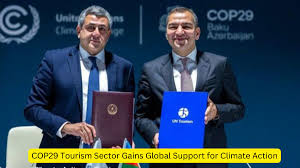
COP29 – Tourism Sector Gains Global Support for Climate Action
Introduction to COP29 and Climate Action in Tourism
COP29 (the 29th session of the Conference of the Parties to the United Nations Framework Convention on Climate Change) is a key global event where nations, organizations, and stakeholders gather to discuss and set strategies for addressing climate change. In the 2024 session, the tourism sector has garnered significant global support for its role in combating climate change. The tourism industry, which is highly sensitive to climate change impacts, is now more committed than ever to adopting sustainable practices to reduce its carbon footprint.
Global Support for Sustainable Tourism
During COP29, the tourism sector has secured backing from numerous international organizations, governments, and environmental groups for climate-conscious initiatives. The sector has pledged to reduce its environmental impact through various measures, including promoting eco-friendly travel, reducing emissions from transportation, and supporting conservation efforts. The recognition of tourism’s potential to contribute positively to climate action is a significant step in global efforts to balance economic growth with environmental sustainability.
Key Commitments and Actions
Countries and tourism industry leaders have committed to integrating sustainability into the heart of tourism. This includes adopting carbon-neutral policies, investing in renewable energy for tourism infrastructure, and creating awareness programs for travelers. The involvement of tourism leaders in the COP29 discussions indicates a shift towards eco-friendly travel options that align with global sustainability goals.
Challenges Facing the Tourism Sector
Despite the enthusiasm, challenges remain in the tourism sector’s journey towards full sustainability. Key hurdles include the heavy reliance on air travel, which contributes significantly to greenhouse gas emissions, and the need for substantial investments in green technologies. Moreover, balancing the economic benefits of tourism with environmental protection is a delicate task that requires coordinated global action.
Why This News is Important
Tourism’s Contribution to Global Emissions
The tourism industry accounts for a significant portion of global carbon emissions, especially through air travel, transportation, and hospitality. As one of the largest sectors worldwide, its transition to a greener, more sustainable model is essential in achieving the global climate targets set by the Paris Agreement. The announcement of global support for climate action in tourism highlights the growing recognition of the sector’s role in climate change mitigation.
Alignment with Global Climate Goals
This move aligns with the overarching global climate goals, aiming to reduce carbon emissions and promote sustainable development. As tourism continues to grow, its environmental impact must be minimized to ensure that it does not undermine global efforts to limit global warming to below 1.5°C. By supporting sustainable tourism, COP29 emphasizes the importance of integrating environmental considerations into all sectors of the economy.
Economic Opportunities and Climate Resilience
Tourism has the potential to drive economic development, especially in developing countries, while also fostering climate resilience. Investments in sustainable tourism can create jobs, improve infrastructure, and promote environmental conservation. This initiative also provides an opportunity to rethink tourism’s environmental footprint while making it a driver for local economies.
Historical Context: Background Information on Climate Action and Tourism
The relationship between tourism and climate change has evolved over the years. Initially, tourism was viewed primarily as an economic growth engine, often at the cost of the environment. However, as the impacts of climate change became more evident, the industry began to shift its focus toward sustainability.
The first significant discussions about the environmental impact of tourism took place in the late 20th century, with the rise of eco-tourism in the 1990s. Over time, tourism organizations and governments recognized the need to address the sector’s carbon footprint. In 2008, the United Nations World Tourism Organization (UNWTO) launched its “Tourism and Climate Change” program, emphasizing the industry’s responsibility to combat climate change. Since then, numerous international agreements have focused on integrating sustainability into tourism practices.
COP29 marks a critical milestone, as it is one of the first major climate summits where tourism is being actively included in discussions about global climate action, reflecting the sector’s growing awareness of its environmental responsibilities.
Key Takeaways from COP29: Tourism Sector and Climate Action
| Serial Number | Key Takeaway |
|---|---|
| 1 | COP29 has brought global attention to the tourism sector’s role in combating climate change. |
| 2 | The tourism industry is committed to adopting sustainable practices to reduce its carbon footprint. |
| 3 | International organizations and governments have pledged support for eco-friendly travel initiatives. |
| 4 | Challenges such as reliance on air travel and the need for investments in green technologies remain. |
| 5 | The tourism sector’s involvement in climate action aligns with the global sustainability goals of the Paris Agreement. |
Important FAQs for Students from this News
What is COP29, and why is it important?
- COP29 refers to the 29th session of the Conference of the Parties to the United Nations Framework Convention on Climate Change. It is important because it brings together world leaders, organizations, and stakeholders to discuss and set strategies for combating climate change, including the role of industries like tourism.
How does tourism impact climate change?
- The tourism sector contributes to climate change primarily through transportation (especially air travel), energy consumption in hospitality services, and waste generation. These activities significantly increase carbon emissions, affecting global climate patterns.
What commitments were made at COP29 regarding sustainable tourism?
- At COP29, countries and tourism industry leaders committed to adopting more sustainable tourism practices. These include reducing carbon emissions, investing in renewable energy, and promoting eco-friendly travel options to minimize tourism’s environmental impact.
How can sustainable tourism benefit local economies?
- Sustainable tourism can generate employment, promote conservation, and encourage responsible travel, benefiting local communities and economies. It provides an opportunity for economic growth while preserving natural resources for future generations.
What challenges does the tourism sector face in becoming sustainable?
- The tourism sector faces challenges such as reliance on air travel, the high cost of green technologies, and the need for coordinated global efforts to balance economic growth with environmental protection.
Some Important Current Affairs Links