










The Coldest City in the World – A Comprehensive Overview
Introduction: The Coldest City on Earth
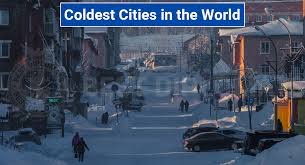
Yakutsk, the capital city of the Sakha Republic in Russia, holds the title of the coldest city in the world. Known for its extreme temperatures, Yakutsk is located in Siberia, a region notorious for its harsh winters. This article delves into the factors contributing to its record-breaking cold and its significance in terms of geography and climate.
Geographical and Climatic Factors
Yakutsk’s geographical location contributes significantly to its severe climate. Situated in northeastern Siberia, the city experiences extremely cold temperatures due to its distance from the moderating effects of the ocean. The surrounding taiga and permafrost further exacerbate the cold, leading to winter temperatures often plummeting below -40°C (-40°F). The city’s climate is classified as subarctic, characterized by long, harsh winters and short, warm summers.
Impact on Daily Life and Infrastructure
The extreme cold of Yakutsk poses significant challenges to its residents. Buildings are constructed with special insulation to withstand the freezing temperatures, and transportation infrastructure is designed to cope with the severe conditions. Additionally, residents often rely on special heating systems to maintain a livable indoor environment. Despite these adaptations, life in Yakutsk requires considerable resilience and adaptation to the harsh climate.
Scientific and Cultural Significance
Yakutsk’s climate also has scientific importance, as it provides valuable data on the effects of extreme cold on both human and natural systems. The city’s unique environment has led to significant research on permafrost and its implications for climate change. Culturally, the residents of Yakutsk have developed traditions and practices that help them thrive in one of the harshest climates on Earth, contributing to the city’s rich cultural heritage.
Challenges and Adaptations
Living in Yakutsk presents numerous challenges, including dealing with the risk of frostbite and hypothermia. However, the city has adapted remarkably well, with modern technology and infrastructure designed to mitigate the impact of extreme cold. Innovations in heating and construction have enabled residents to maintain a relatively high standard of living despite the severe weather conditions.
Why This News is Important
Understanding Extreme Climates
The news about Yakutsk being the coldest city in the world highlights the extremes of Earth’s climates. Studying such extreme weather conditions provides valuable insights into how different environments can impact human life and infrastructure. This understanding is crucial for students and professionals in fields related to geography, climate science, and urban planning.
Significance for Climate Research
Yakutsk’s harsh climate makes it an important location for climate research. Investigations into permafrost and its role in global climate change offer critical data for predicting future climate patterns. Researchers can use data from such extreme environments to better understand the broader implications of climate change on a global scale.
Cultural and Scientific Insights
The adaptations and cultural practices of Yakutsk’s residents provide interesting case studies in human resilience and ingenuity. By examining how people live and thrive in extreme conditions, we gain insights into human adaptability and the role of technology in overcoming environmental challenges.
Implications for Urban Planning
The unique climatic challenges of Yakutsk influence urban planning and construction techniques in extreme weather conditions. This information is valuable for architects and engineers working in similar environments, as it provides practical examples of how to design buildings and infrastructure that can withstand extreme cold.
Educational Value
For students preparing for government exams and careers in various fields, understanding the complexities of extreme environments like Yakutsk enriches their knowledge base. It underscores the importance of considering environmental factors in planning, development, and research.
Historical Context: Understanding Yakutsk’s Extreme Cold
Siberian Geography and Climate
Yakutsk’s extreme cold is rooted in its geographical location within Siberia, a region known for its severe winters. The city lies within the permafrost zone, where the ground remains frozen year-round. This geographic setting, combined with the city’s elevation and distance from the ocean, results in the extreme temperatures observed.
Historical Weather Patterns
Historically, Yakutsk has experienced some of the coldest temperatures recorded in inhabited areas. The city’s cold climate has shaped its history, from the development of unique building techniques to the adaptation of its inhabitants to survive harsh winters. This history of extreme weather has influenced the city’s cultural and technological advancements over time.
Impact on Development and Settlement
The cold climate of Yakutsk has had a profound impact on its development and settlement patterns. The challenges posed by the severe weather have led to innovations in construction and infrastructure. Additionally, the city’s history is marked by the resilience of its inhabitants, who have adapted to one of the most challenging climates on Earth.
Key Takeaways from The Coldest City in the World
| # | Key Takeaway |
|---|---|
| 1 | Yakutsk is the coldest city in the world, with winter temperatures often falling below -40°C (-40°F). |
| 2 | The city’s extreme cold is due to its geographical location in northeastern Siberia and its permafrost. |
| 3 | Adaptations in infrastructure and heating systems are crucial for surviving the harsh climate in Yakutsk. |
| 4 | Yakutsk provides valuable data for climate research, particularly on permafrost and its impact on global climate change. |
| 5 | The city’s unique environment offers insights into human adaptability and cultural practices in extreme conditions. |
Important FAQs for Students from this News
1. What makes Yakutsk the coldest city in the world?
Yakutsk is the coldest city in the world due to its location in northeastern Siberia, where it experiences extreme temperatures due to its distance from the ocean and its permafrost. The city’s climate is classified as subarctic, leading to winter temperatures often below -40°C (-40°F).
2. How do residents cope with the extreme cold in Yakutsk?
Residents of Yakutsk cope with the extreme cold by using specially designed buildings with advanced insulation and heating systems. Transportation infrastructure is also adapted to handle severe weather conditions. These adaptations are essential for maintaining a livable environment in the city.
3. Why is Yakutsk important for climate research?
Yakutsk is important for climate research because it provides valuable data on the effects of extreme cold and permafrost. Studying the city’s climate helps researchers understand broader climate patterns and the implications of permafrost on global climate change.
4. What historical factors have influenced Yakutsk’s development?
Historical factors influencing Yakutsk’s development include its severe winter temperatures and permafrost. These conditions have led to innovations in construction and infrastructure, as well as adaptations in the lifestyles and practices of its residents.
5. How does Yakutsk’s climate impact its urban planning?
Yakutsk’s extreme climate necessitates special urban planning considerations. Buildings and infrastructure must be designed to withstand severe cold and permafrost. This includes using advanced insulation materials and heating systems to ensure that structures remain functional and habitable.
Some Important Current Affairs Links