




New Director General Naval Armament appointment update: Shri Divakar Jayant takes charge as DGONA. Read key facts, exam-focused insights, and defence current affairs.
Leadership Change at Naval Armament: Meet the New Director General
Introduction to the News
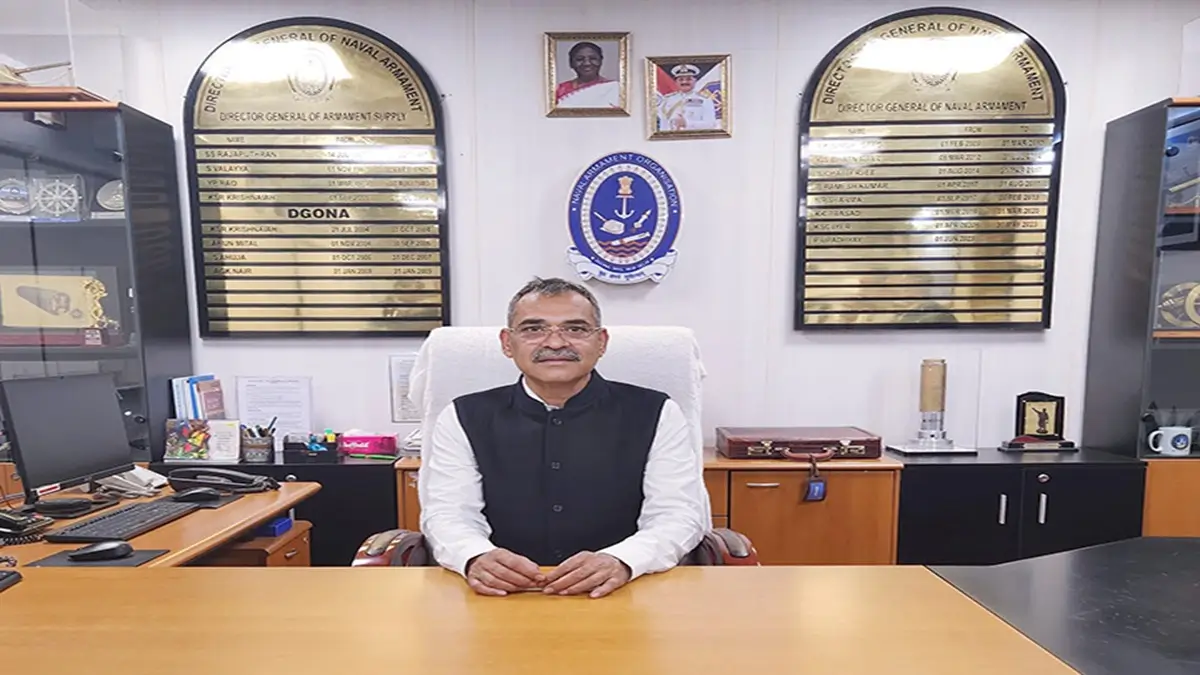
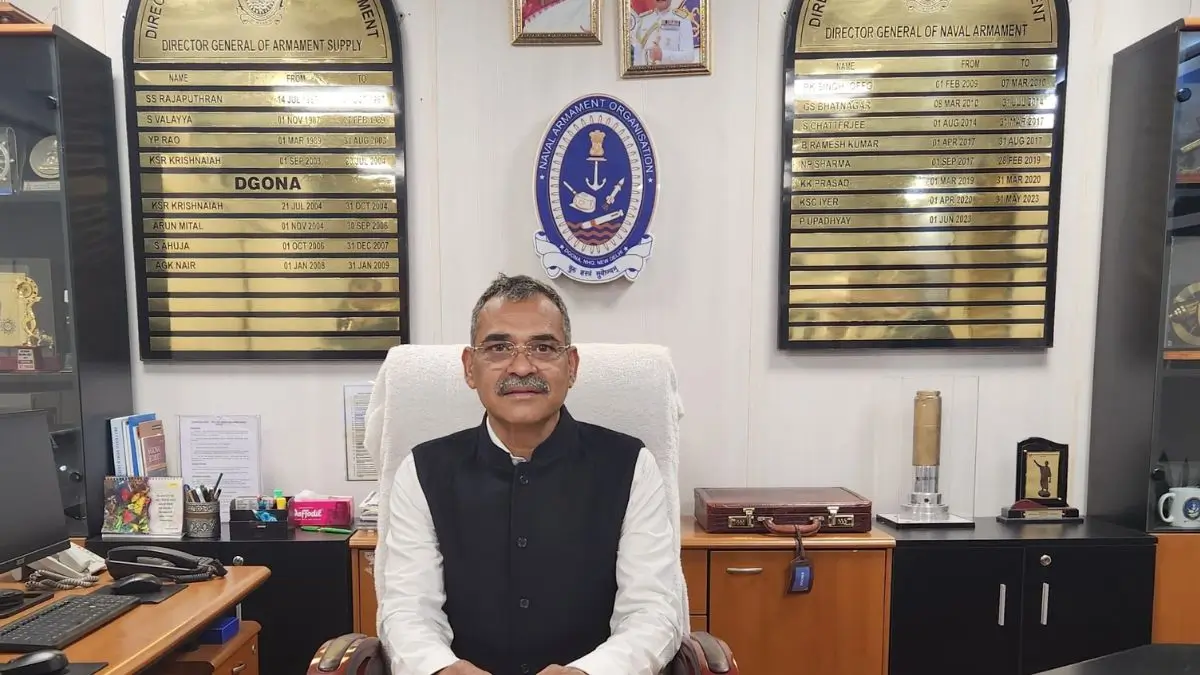
On 2 February 2026, Shri Divakar Jayant assumed charge as the Director General of Naval Armament (DGONA) at the Naval Headquarters, under the Ministry of Defence, Government of India. This appointment represents a major leadership transition in an organisation that plays a critical role in India’s maritime defence infrastructure and weapon systems management.
India’s naval capabilities are rapidly modernising in response to changing strategic dynamics in the Indian Ocean Region, and the role of the DGONA is central to ensuring the readiness and sustainability of naval armaments. Shri Jayant succeeds P Upadhyay, who retired on 31 January 2026 after distinguished service.
About Shri Divakar Jayant
Shri Divakar Jayant belongs to the 1991 batch of the Indian Naval Armament Service (INAS). He joined the Naval Armament Organisation on 28 December 1992 and has served for over 33 years in various leadership positions. These include Chief General Manager and General Manager/Principal Director roles at major Naval Armament Depots such as Mumbai, Visakhapatnam, and Alwaye, as well as key staff positions at the Ministry of Defence.
An Electrical Engineering graduate from the Indian Institute of Technology (IIT) Delhi, Shri Jayant’s technical knowledge in torpedo life-cycle management, explosive infrastructure planning, and weaponry handling makes him well-suited for this leadership role. He has also undergone advanced executive training through the Advanced Professional Programme in Public Administration (APPPA), which sharpens governance and strategic execution skills.
Role and Strategic Importance of DGONA
The Director General of Naval Armament is a pivotal leadership position responsible for overseeing the management, maintenance, and lifecycle support of all naval weapon systems—including torpedoes, ammunition, and explosive infrastructure—across the Indian Navy.
In a strategic context, DGONA ensures that armaments are safe, functional, and available when required, enabling the Navy to operate at peak combat effectiveness. This role also contributes to broader national security objectives, including maritime deterrence and safeguarding India’s vast coastline and island territories.
Key Expertise Brought by Shri Jayant
Shri Jayant’s experience spans technical, managerial, and administrative domains:
- Armament Life-Cycle Management – Ensuring readiness of weapons from procurement to disposal.
- Explosive Infrastructure Planning – Execution of high-risk explosive storage and handling facilities.
- Human Resource Administration – Managing civilian and defence support personnel aligned with operational needs.
Having spent decades in diverse strategic roles, he brings deep operational insights at a time India is enhancing force projection and maritime partnerships in the Indo-Pacific region.
Implications for Defence Preparedness
The appointment of Shri Jayant comes amid India’s ongoing efforts to modernise its naval capability, including extending reach into the Indian Ocean and reinforcing deterrence against emerging threats. A strong leadership at DGONA ensures that India’s naval armaments are advanced, indigenised, and technologically robust.
With increasing emphasis on Atmanirbhar Bharat (self-reliant defence manufacturing), the DGONA plays a vital role in coordinating armament supply chains, depot infrastructure, and safety compliance—critical aspects for future naval operational effectiveness.

Why This News Is Important
Strengthening National Defence Leadership
This appointment reinforces leadership continuity at a key defence management organisation. For civil service exam aspirants and defence cadets, understanding how senior positions like DGONA influence national security provides insight into high-level defence functioning in India.
The DGONA oversees the entire lifecycle of naval armaments—from procurement and maintenance to disposal. Effective management directly impacts the operational readiness of the Indian Navy, which is central to protecting India’s maritime interests in the Indian Ocean Region, particularly amid rising regional security challenges.
Link to Government Policies and Strategic Goals
Shri Jayant’s role ties into broader government initiatives like military modernisation, force readiness enhancement, and defence self-reliance. Exam candidates studying defence and security topics will benefit from knowing how appointments influence implementation of strategic policies.
This leadership transition also highlights the importance of civilian technical services like the Indian Naval Armament Service (INAS) and how these cadres work alongside military personnel to ensure India’s defence apparatus functions effectively.
Historical Context
Background of the Indian Naval Armament Service
The Indian Naval Armament Service (INAS) is a Group ‘A’ central service under the Ministry of Defence, responsible for managing armaments and ammunition for the Indian Navy. Its officers specialise in technical areas such as weapons system life-cycle management, storage safety, logistics, and explosive infrastructure planning.
INAS officers play a crucial role during peacetime and wartime, ensuring naval armaments are safe, reliable, and operationally ready. They work in armament depots, naval headquarters, and strategy planning cells across India. Over the decades, this service has evolved with growing technology and strategic demands, integrating advanced planning approaches for modern weapon systems.
Evolution of the DGONA Role
The Director General of Naval Armament has traditionally been a position held by senior INAS officers after decades of service and operational experience. Past incumbents like P Upadhyay, who served for over three decades, laid foundations in armament inspection, maintenance, and technical governance.
With evolving maritime threats and technological complexity, the role now requires a blend of technical expertise, strategic planning, and administrative acumen—qualities seen in Shri Divakar Jayant’s appointment.
Key Takeaways from Leadership Change at Naval Armament Meet — New DG
| S. No. | Key Takeaway |
|---|---|
| 1 | Shri Divakar Jayant has taken charge as Director General of Naval Armament (DGONA) on 2 February 2026. |
| 2 | He belongs to the 1991 batch of the Indian Naval Armament Service (INAS) with over 33 years of experience. |
| 3 | The DGONA oversees naval weapon systems’ lifecycle, ammunition, and depot infrastructure. |
| 4 | Jayant is an IIT Delhi alumnus with expertise in torpedo life-cycle management and defence infrastructure planning. |
| 5 | This appointment comes as part of India’s overall drive to strengthen naval readiness and armament management. |
FAQs: Frequently Asked Questions
1. Who has been appointed as the new Director General of Naval Armament (DGONA)?
Shri Divakar Jayant has been appointed as the new Director General of Naval Armament at the Naval Headquarters under the Ministry of Defence.
2. To which service does Shri Divakar Jayant belong?
He belongs to the 1991 batch of the Indian Naval Armament Service (INAS), a Group ‘A’ central service responsible for naval weapon systems and armament management.
3. When did Shri Divakar Jayant assume charge as DGONA?
He assumed charge on 2 February 2026, succeeding P. Upadhyay, who retired after completing his tenure.
4. What are the main responsibilities of the DGONA?
The DGONA oversees lifecycle management of naval weapons, ammunition storage, armament depots, explosive safety, and infrastructure planning for the Indian Navy.
5. Why is the DGONA position important for India’s defence system?
The DGONA ensures operational readiness and safety of naval armaments, which directly impacts India’s maritime security and defence preparedness.
6. What is the educational background of Shri Divakar Jayant?
He is an Electrical Engineering graduate from IIT Delhi and has also completed advanced professional training in public administration.
7. What is the Indian Naval Armament Service (INAS)?
INAS is a specialised civilian service under the Ministry of Defence that manages armaments, ammunition logistics, and technical infrastructure of the Indian Navy.
8. How is this appointment relevant for competitive exams?
Leadership appointments in defence organisations are important for current affairs sections of UPSC, SSC, banking, railways, police, and state PSC exams.
9. Which cities has Shri Divakar Jayant served in during his career?
He has served in major naval armament establishments in Mumbai, Visakhapatnam, and Alwaye.
10. How does this leadership change support India’s defence modernization?
It strengthens technical leadership in naval armament management, aligning with India’s goals of military modernization and self-reliance in defence.
Some Important Current Affairs Links