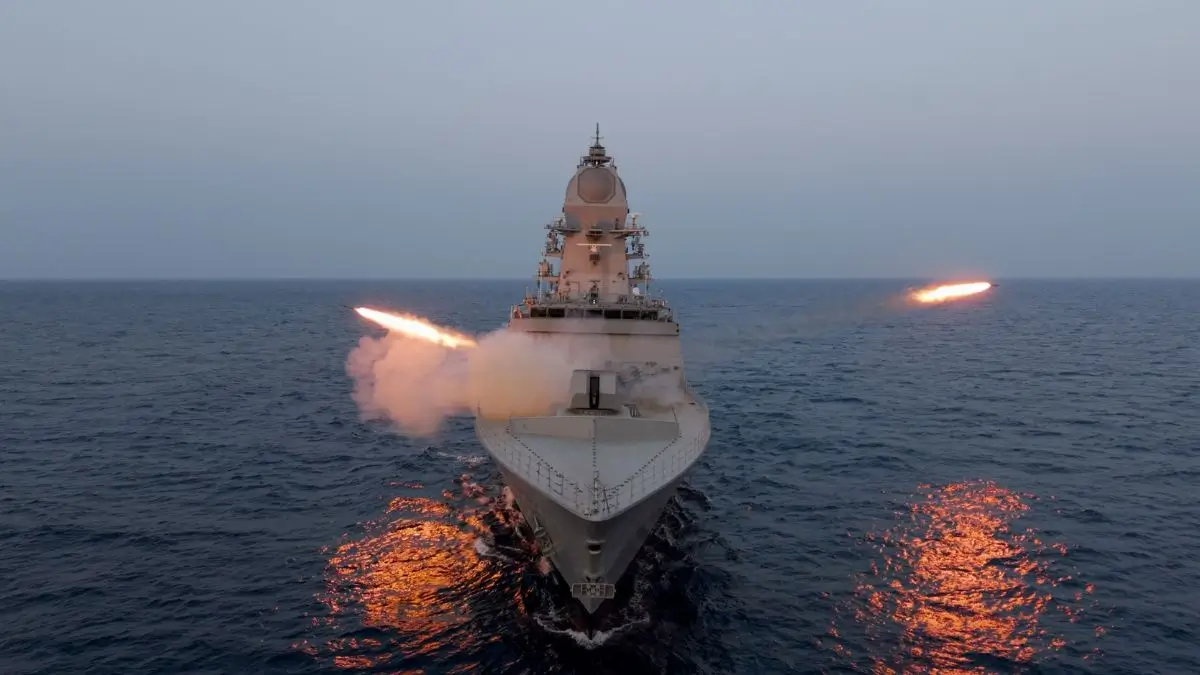




DRDO missile defence test 2026: DRDO successfully conducted Ballistic Missile Defence and NASM-MR missile trials at Chandipur, strengthening India’s indigenous defence capabilities and strategic security under Atmanirbhar Bharat.
India Strengthens Defence Capabilities with Successful DRDO Missile Tests
🛡️ India Achieves Major Breakthrough in Missile Defence Technology
The Defence Research and Development Organisation (DRDO) has successfully conducted a series of advanced missile tests that mark a significant milestone in India’s indigenous defence capabilities. The tests include a multi-layered Ballistic Missile Defence (BMD) system and the Naval Anti-Ship Missile–Medium Range (NASM-MR). These trials were conducted at the Integrated Test Range (ITR), Chandipur in Odisha, showcasing India’s growing technological strength in strategic defence systems.
🚀 Successful Flight Trials Conducted Over Odisha Coast
According to official defence sources, DRDO carried out three consecutive flight tests on June 10 and 11, 2026, validating both interception and strike capabilities. The BMD system successfully demonstrated the ability to intercept incoming ballistic missile threats, including long-range and high-speed targets. Simultaneously, the NASM-MR missile showcased its capability to strike enemy naval assets with precision at medium range.
🛡️ Strengthening Multi-Layered Defence Architecture
The successful trials confirm India’s progress toward developing a multi-layered missile defence shield, capable of neutralizing threats across different ranges and altitudes. This system enhances national security by providing protection against potential missile attacks and strengthening maritime defence capabilities in the Indo-Pacific region.
🇮🇳 Boost to Indigenous Defence Manufacturing
These achievements reflect the government’s vision of Atmanirbhar Bharat (self-reliant India) in defence production. The success of DRDO systems reduces dependency on foreign technologies and positions India among a select group of nations with advanced missile defence capabilities.

⭐ B) Why This News Is Important
🧭 Strategic and National Security Importance
This development is highly significant for India’s national security as it enhances the country’s ability to defend against ballistic missile threats and naval attacks. With rising global tensions and evolving warfare technologies, a strong missile defence system is crucial for strategic deterrence.
🌐 Global Defence Standing
With this achievement, India joins an elite group of nations possessing advanced Ballistic Missile Defence (BMD) systems, capable of intercepting high-speed missiles, including intercontinental threats. This improves India’s global defence standing and strategic influence.
⚙️ Technological Advancement
The successful tests demonstrate India’s growing capability in next-generation missile technology, radar systems, and precision targeting systems, strengthening its defence research ecosystem.
💰 Economic and Industrial Impact
The success boosts India’s domestic defence industry by encouraging innovation, private sector participation, and defence exports under the Make in India initiative.
📚 Relevance for Government Exams
This topic is crucial for UPSC, SSC, Banking, Railways, Defence exams, and state PCS exams due to its relevance in current affairs, defence technology, and national security policy.
📜 C) Historical Context
🏛️ Evolution of India’s Missile Defence Program
India’s missile defence programme began in the late 1990s under DRDO with the aim of developing a shield against ballistic missile attacks. The programme evolved into a two-tiered system: exo-atmospheric (high altitude) and endo-atmospheric (low altitude) interception systems.
🚀 Key Milestones in Development
Over the years, India has conducted several successful tests of interceptor missiles under the Ballistic Missile Defence (BMD) programme, gradually improving detection, tracking, and interception technologies. These developments were supported by advanced radar systems and command-control infrastructure.
🌍 Strategic Need for Missile Defence
The need for such systems increased due to global missile proliferation and regional security challenges. India’s strategic environment, particularly in Asia, necessitated the development of a strong defensive shield to counter potential threats.
🇮🇳 Shift Toward Self-Reliance
In recent years, India has accelerated indigenous defence production under initiatives like Make in India and Atmanirbhar Bharat, leading to significant advancements in missile technology such as NASM series, Akash missile system, and Pralay tactical missile.
📊 D) Key Takeaways from DRDO Missile Test Success
📌 Key Takeaways from “DRDO Missile Defence Test 2026”
| S. No. | Key Takeaway |
|---|---|
| 1 | DRDO successfully conducted tests of a multi-layered Ballistic Missile Defence (BMD) system and NASM-MR missile. |
| 2 | The tests were conducted at Integrated Test Range (ITR), Chandipur, Odisha. |
| 3 | India demonstrated capability to intercept ballistic missile threats, including long-range targets. |
| 4 | NASM-MR showed precision strike capability against enemy naval targets at medium range. |
| 5 | The success strengthens India’s indigenous defence capability and supports Atmanirbhar Bharat initiative. |
FAQs (Frequently Asked Questions)
🛡️ DRDO Missile Defence Test – Key Exam FAQs
Q1. What systems were tested by DRDO in the recent trials?
DRDO successfully tested a Ballistic Missile Defence (BMD) system and the Naval Anti-Ship Missile–Medium Range (NASM-MR).
Q2. Where were the missile tests conducted?
The tests were conducted at the Integrated Test Range (ITR), Chandipur, Odisha.
Q3. What is the purpose of the Ballistic Missile Defence system?
The BMD system is designed to intercept and destroy incoming ballistic missiles at different ranges and altitudes before they reach their targets.
Q4. What is NASM-MR missile used for?
NASM-MR is an anti-ship missile designed to target and destroy enemy naval vessels at medium range with high precision.
Q5. Why is this test important for India?
It strengthens India’s defence preparedness, indigenous missile capability, and strategic deterrence.
Q6. Which organisation developed these missile systems?
Both systems were developed by the Defence Research and Development Organisation (DRDO).
Q7. How does this test support Atmanirbhar Bharat?
It reduces dependence on foreign defence systems and promotes indigenous defence manufacturing and technology development.
Some Important Current Affairs Links