








PayGlocal Receives In-Principle Approval from RBI for Payment Aggregator License
The Reserve Bank of India (RBI) has granted an in-principle approval to PayGlocal for obtaining a Payment Aggregator License. This significant development in the financial sector holds vital importance, especially for aspirants preparing for various government exams. In this article, we will discuss why this news is important, provide historical context, and present the five key takeaways that students should be aware of.
Why this News is Important
- Financial Inclusion: The approval granted to PayGlocal by the RBI is a commendable step towards furthering financial inclusion in India. Payment aggregators play a crucial role in ensuring that even remote and underserved areas have access to digital payment services.
- Digital India Initiative: This move aligns with the Indian government’s ‘Digital India’ initiative, which aims to promote digital transactions, reduce cash usage, and foster economic growth through technology and innovation.
- Examination Relevance: For candidates preparing for government exams, understanding the workings of payment aggregators is essential. Questions related to the financial sector, RBI policies, and payment systems often feature in exams like banking, civil services, and others.
Historical Context
To understand the significance of PayGlocal’s approval, it’s crucial to consider the historical context of India’s payment ecosystem. In recent years, India has witnessed a remarkable surge in digital payments, partly due to government-led initiatives and technological advancements. The introduction of UPI (Unified Payments Interface) and digital wallets has transformed the way Indians transact, making the digital payment ecosystem more robust.
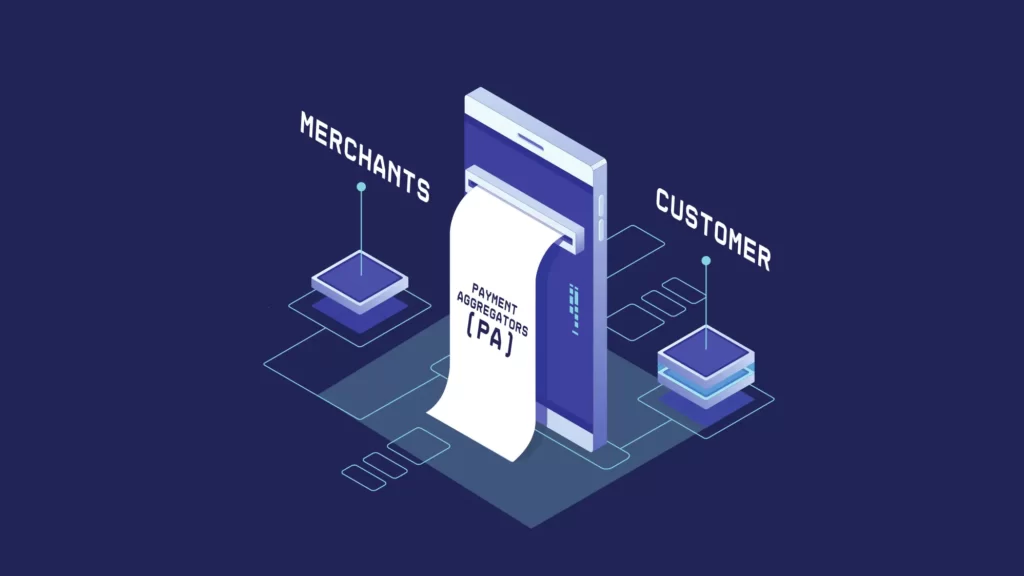
Payment aggregators like PayGlocal act as intermediaries between merchants and customers, facilitating online transactions seamlessly. The RBI’s decision to grant an in-principle approval to PayGlocal reflects the growing importance of this segment in the financial sector.
Key Takeaways from “PayGlocal Receives In-Principle Approval from RBI for Payment Aggregator License”
| Serial Number | Key Takeaway |
|---|---|
| 1 | Promotes financial inclusion through digital payments. |
| 2 | Aligns with the ‘Digital India’ initiative. |
| 3 | Important for competitive exam preparation in banking and civil services. |
| 4 | Reflects the growing role of fintech in India’s financial sector. |
| 5 | Could have wider economic implications, impacting job opportunities and investments. |
Important FAQs for Students from this News
Q: What is the significance of PayGlocal receiving in-principle approval from RBI?
A: The approval signifies that PayGlocal is on track to obtain a Payment Aggregator License, which is essential for facilitating digital payments.
Q: How does this development relate to the ‘Digital India’ initiative?
A: It aligns with ‘Digital India’ by promoting digital transactions and reducing dependence on cash.
Q: Why is this news important for government exam aspirants?
A: It’s important because questions related to the financial sector and RBI policies often appear in various competitive exams.
Q: What is the role of payment aggregators in India’s financial ecosystem?
A: Payment aggregators act as intermediaries between merchants and customers, facilitating seamless online transactions.
Q: Are there any potential economic impacts of this approval?
A: Yes, the news can have broader economic implications, including job opportunities and investments.
Some Important Current Affairs Links