








India has taken a significant step in its cultural and heritage conservation efforts by adding six new properties to the UNESCO Tentative List. This marks an important milestone in India’s journey to secure international recognition for its rich historical and cultural legacy. The UNESCO Tentative List serves as a preliminary step for sites aspiring to become World Heritage Sites.
Newly Added Properties
The six newly added sites include:
- Moidams – the Mound Burial System of Ahom Dynasty (Assam)
- Gangaikondacholapuram Brihadisvara Temple (Tamil Nadu)
- Sankaram – Buddhist Site (Andhra Pradesh)
- Madhya Pradesh Rock Art Sites (Madhya Pradesh)
- Maratha Military Landscapes (Maharashtra)
- Vijayapura Monuments (Karnataka)
These sites reflect India’s diverse cultural, religious, and architectural heritage, spanning different historical periods and civilizations.
Importance of Inclusion in the UNESCO Tentative List
The inclusion of these sites in the UNESCO Tentative List is crucial because:
- It is the first step toward earning the prestigious UNESCO World Heritage Site designation.
- It helps in the conservation and international recognition of these heritage sites.
- It attracts tourism and funding for preservation efforts.
- It acknowledges India’s rich history and architectural brilliance on a global stage.
Why This News is Important?
Global Recognition of India’s Heritage
Being included in the UNESCO Tentative List increases the chances of these sites becoming World Heritage Sites, giving them global recognition.
Boost to Tourism and Economy
Heritage tourism is a significant contributor to India’s economy. UNESCO recognition helps attract international tourists, boosting local businesses and employment opportunities.
Preservation and Conservation
Listing these sites encourages preservation efforts by the government and non-governmental organizations, ensuring the protection of India’s cultural heritage for future generations.
Historical Context
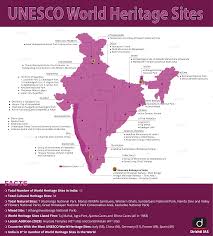
India has a strong presence on the UNESCO World Heritage list, with 42 cultural, 7 natural, and 1 mixed site already recognized. Previous additions include iconic sites like the Taj Mahal, Jaipur City, and Hampi Monuments. The new entries highlight India’s continued commitment to preserving its historical and cultural identity.
Key Takeaways from India’s New UNESCO Tentative List Additions
| S.No | Key Takeaway |
|---|---|
| 1 | India has added six new sites to the UNESCO Tentative List. |
| 2 | These sites include architectural, religious, and historical landmarks. |
| 3 | Inclusion in the tentative list is a step toward World Heritage Site recognition. |
| 4 | UNESCO listing helps in conservation and boosts heritage tourism. |
| 5 | India continues to expand its cultural heritage representation on the global stage. |
FAQs: Frequently Asked Questions
- What is the UNESCO Tentative List?
- The UNESCO Tentative List is a preliminary inventory of properties that a country intends to nominate for inclusion in the World Heritage List.
- How many new sites from India were added to the UNESCO Tentative List?
- Six new properties from India were recently added to the UNESCO Tentative List.
- Which organization in India is responsible for managing UNESCO World Heritage nominations?
- The Archaeological Survey of India (ASI) is responsible for identifying and managing UNESCO World Heritage nominations.
- What is the significance of getting listed on the UNESCO Tentative List?
- Being included in the UNESCO Tentative List is the first step toward full World Heritage Site status, which can enhance tourism, conservation efforts, and global recognition.
- What are some benefits of UNESCO World Heritage Site status?
- It helps in international recognition, preservation funding, tourism growth, and protection under global heritage laws.
Some Important Current Affairs Links