






Justice M Sundar Manipur High Court: Read about the 10th Chief Justice of Manipur High Court, his swearing-in ceremony, professional background, and significance for judicial continuity in India.
Justice M. Sundar Sworn In as Chief Justice of Manipur High Court
Appointment and Ceremony
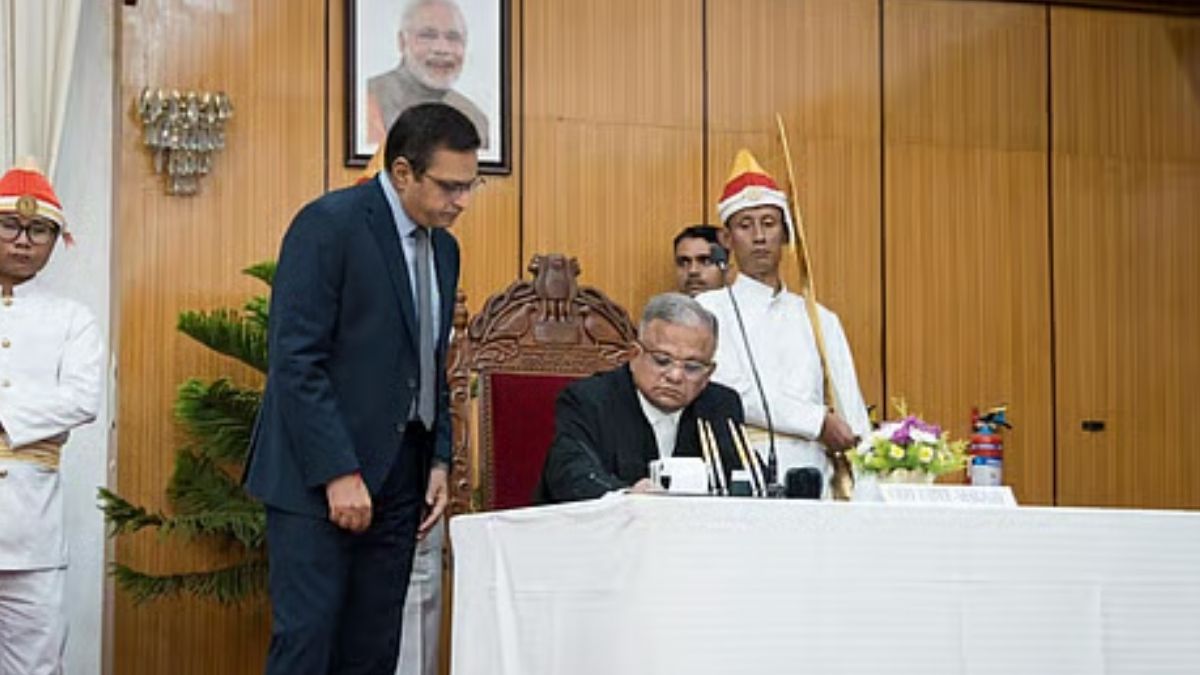
Justice M. Sundar was officially sworn in as the 10th Chief Justice of the Manipur High Court on 15 September 2025. The oath was administered by Governor Ajay Kumar Bhalla at the Durbar Hall of Raj Bhavan, Imphal. This appointment followed the retirement of the previous Chief Justice, Kempaiah Somashekar, who stepped down after attaining the statutory retirement age.
Professional Background
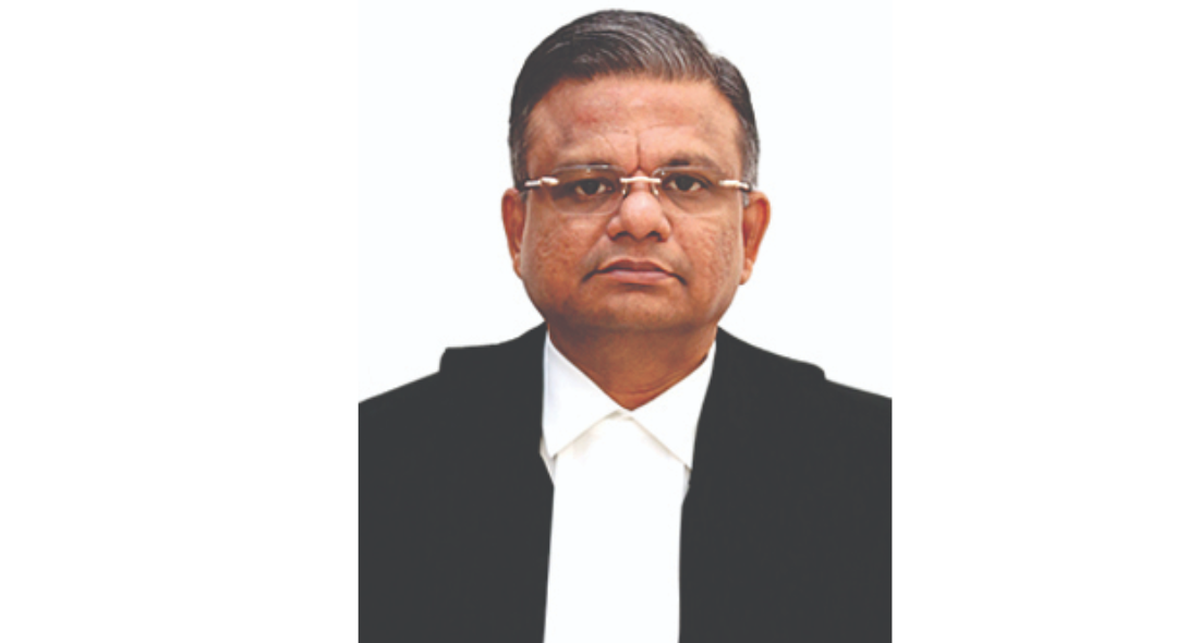
Born on 19 July 1966 in Chennai, Justice Sundar did his law degree from Madras Law College, being part of the first batch to undergo the five-year integrated law course. He enrolled as an advocate in 1989, primarily practising in the Madras High Court. In October 2016, he was elevated to permanent Judge of the Madras High Court.
Transition in Manipur High Court Leadership
Justice Sundar becomes the successor to Justice K. Somashekar who retired on 14 September 2025. His elevation was recommended by the Supreme Court Collegium, which also put forward names for Chief Justices in other high courts (e.g., Patna and Meghalaya).
Ceremony Attendance and Significance of the Event
The swearing-in ceremony was attended by top state officials, including the Manipur Legislative Assembly Speaker, Chief Secretary, Director General of Police, MLAs, judges of the High Court, and representatives of Bar Associations. The event underscores the importance of judicial continuity and legal authority in the state.
Why This News Is Important
Reinforcement of Judicial Leadership
The judiciary’s role in governance, especially in states, depends heavily on strong leadership. Appointment of a new Chief Justice ensures that the Manipur High Court continues to function without a vacuum, maintaining judicial oversight, administration of justice, and upholding rule of law.
Relevance for Exam Aspirants
For students preparing for government exams (UPSC, state PSCs, judiciary exams, etc.), understanding such high-profile judicial appointments is important because questions often cover constitutional provisions, high courts’ structure, recent appointments, and roles of supreme and high courts in India.
Insight into Indian Judicial Appointment System
This event gives a concrete example of how the Supreme Court Collegium recommends appointments, how the President and state Governor are involved, and how transitions happen when a Chief Justice retires. These procedural facts are frequently examined in exams under the Indian Constitution and Law sections.
Historical Context
Establishment of Manipur High Court
The Manipur High Court is relatively young—it was established in 2013 when the state got its separate high court jurisdiction (before that Manipur was under the Gauhati High Court bench).
Prior Chief Justices
Justice Kempaiah Somashekar became the 9th Chief Justice earlier in 2025 but served only a short term until his retirement. Sundar succeeds him.
Collegium System and Recent Elevations
The Supreme Court Collegium, headed by the Chief Justice of India, has been active recently in recommending multiple high court Chief Justices. Alongside Sundar’s appointment, Justice P. B. Bajanthri was recommended as Chief Justice of Patna HC, and Justice Soumen Sen for Meghalaya HC. These show ongoing administrative reshuffles in the high courts.
Key Takeaways from Justice M. Sundar’s Appointment
| No. | Key Takeaway |
|---|---|
| 1. | Justice M. Sundar has become the 10th Chief Justice of Manipur High Court on 15 September 2025. |
| 2. | He succeeds Justice Kempaiah Somashekar, who retired upon reaching the age limit. |
| 3. | Justice Sundar was born on 19 July 1966, graduated law from Madras Law College (first integrated course batch), enrolled as advocate in 1989, and became permanent Judge of Madras HC in October 2016. |
| 4. | He was recommended for the role by the Supreme Court Collegium. |
| 5. | The swearing-in ceremony took place in Imphal (Manipur) at the Raj Bhavan, attended by state dignitaries including Governor, Assembly Speaker, judges, and Bar representatives. |
FAQs: Frequently Asked Questions
1. Who is Justice M. Sundar?
Justice M. Sundar is the 10th Chief Justice of the Manipur High Court, sworn in on 15 September 2025.
2. When was Justice M. Sundar sworn in as Chief Justice of Manipur High Court?
He took the oath of office on 15 September 2025.
3. Who administered the oath to Justice Sundar?
The oath was administered by Governor Ajay Kumar Bhalla at Raj Bhavan, Imphal.
4. Which High Court did Justice Sundar serve before joining Manipur High Court?
He was a permanent judge at the Madras High Court before his elevation.
5. What is the significance of this appointment?
The appointment ensures continuity of judicial leadership in Manipur, upholding the rule of law, administration of justice, and effective functioning of the High Court.
6. How does the Supreme Court Collegium recommend High Court Chief Justices?
The Collegium, led by the Chief Justice of India, recommends appointments to the President, who then formalizes them after consultation with the state Governor.
7. When was the Manipur High Court established?
The Manipur High Court was established in 2013 after separating from the Gauhati High Court jurisdiction.
8. Who was the previous Chief Justice of Manipur High Court?
Justice Kempaiah Somashekar served as the 9th Chief Justice before retiring on 14 September 2025.
9. Where did Justice Sundar complete his law education?
He completed his law degree at Madras Law College, being part of the first five-year integrated course batch.
10. Why is this news important for competitive exam aspirants?
It provides insights into judicial appointments, functioning of high courts, constitutional procedures, and state-level legal administration—all of which are common topics in exams like UPSC, State PSCs, Judiciary, and Law Services.
Some Important Current Affairs Links