









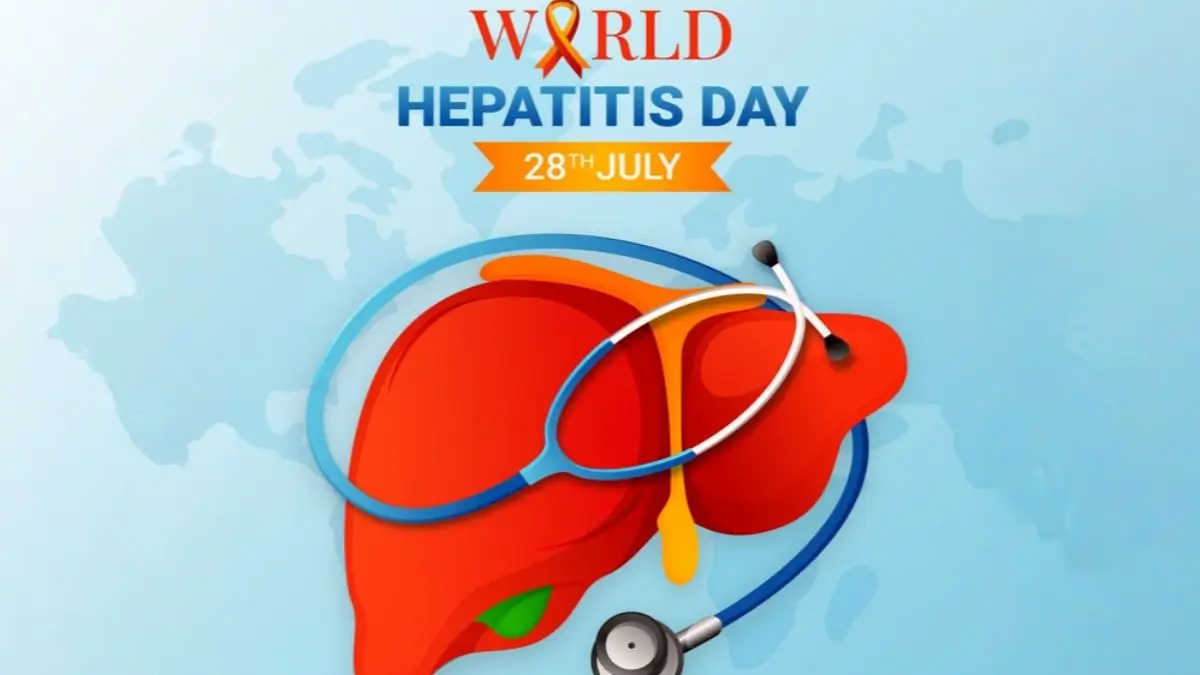
World Hepatitis Day 2026 Theme and Significance: Learn about the theme, history, symptoms, prevention methods, WHO hepatitis elimination target 2030, and important facts for competitive exams.
World Hepatitis Day 2026: Raising Global Awareness Against a Silent Disease
World Hepatitis Day is observed every year on 28 July to spread awareness about viral hepatitis, a serious liver disease that affects millions of people across the globe. The observance is led by the World Health Organization (WHO) and aims to encourage prevention, early diagnosis, timely treatment, and elimination of hepatitis as a public health threat by 2030. The date marks the birth anniversary of Dr. Baruch Samuel Blumberg, the Nobel Prize-winning scientist who discovered the Hepatitis B virus and developed its diagnostic test and vaccine.
Theme of World Hepatitis Day 2026
The official theme for World Hepatitis Day 2026 is “Hepatitis: Let’s Break It Down.” The theme calls upon governments, healthcare providers, civil society organizations, and communities to remove the barriers that prevent people from accessing hepatitis prevention, testing, treatment, and care. It also seeks to break down stigma, misinformation, financial obstacles, and healthcare inequalities that continue to delay diagnosis and treatment.
What is Hepatitis?
Hepatitis refers to inflammation of the liver caused by viral infections, excessive alcohol consumption, autoimmune diseases, toxins, or certain medications. The five major viral types are Hepatitis A, B, C, D, and E. Among these, Hepatitis B and C are the leading causes of chronic liver disease, liver cirrhosis, and liver cancer worldwide. Many infected individuals remain unaware of their condition because symptoms may not appear until severe liver damage has occurred.
Common Symptoms of Hepatitis
The symptoms of hepatitis vary depending on the type and stage of infection. Common signs include:
- Yellowing of the skin and eyes (jaundice)
- Fatigue and weakness
- Fever
- Nausea and vomiting
- Loss of appetite
- Dark-colored urine
- Pale stools
- Abdominal pain, especially in the upper right side
- Joint pain
Many people with chronic Hepatitis B or C may remain symptom-free for years, making regular screening essential.
Prevention Measures
Preventing hepatitis requires both individual responsibility and public health interventions. Important preventive measures include:
- Vaccination against Hepatitis A and B
- Safe drinking water and proper sanitation
- Safe blood transfusions
- Use of sterile needles and medical equipment
- Practicing safe sex
- Avoiding the sharing of razors or needles
- Maintaining proper hygiene and handwashing
- Early testing and treatment for high-risk individuals
WHO emphasizes that vaccination and early diagnosis remain the most effective strategies for reducing hepatitis-related deaths.
Global Burden of Hepatitis
Despite advances in medicine, viral hepatitis continues to be one of the world’s leading infectious diseases. Millions of people live with chronic Hepatitis B or C, while many remain undiagnosed due to limited awareness and healthcare access. The WHO aims to eliminate viral hepatitis as a public health threat by 2030 through expanded vaccination, universal testing, affordable treatment, and stronger health systems.
Importance for Government Exam Aspirants
Questions related to international days, health awareness campaigns, WHO initiatives, and disease prevention frequently appear in UPSC, State PSC, SSC, Banking, Railway, Defence, and Teaching examinations. Candidates should remember the date (28 July), theme (“Hepatitis: Let’s Break It Down”), WHO’s elimination target (2030), and Dr. Baruch Blumberg’s contribution, as these are important factual points for competitive examinations. Additionally, awareness about symptoms, prevention methods, and the different types of hepatitis is useful for both prelims and general awareness sections.

Why this News is Important
Strengthening Public Health Awareness
World Hepatitis Day 2026 highlights the urgent need to address one of the world’s most neglected infectious diseases. Viral hepatitis continues to cause significant illness and mortality despite being largely preventable and, in many cases, treatable. The campaign encourages governments to improve healthcare access and increase awareness among vulnerable populations.
Supporting WHO’s Elimination Goal
The observance reinforces the WHO’s objective of eliminating viral hepatitis as a public health threat by 2030. Achieving this target requires expanded vaccination, increased screening, affordable medicines, and better public awareness. The 2026 campaign specifically focuses on removing barriers that prevent timely diagnosis and treatment.
Relevance for Competitive Examinations
World Hepatitis Day is an important international observance frequently covered in current affairs for government examinations. Aspirants should remember its date, theme, associated organization, historical significance, and preventive measures. Questions on WHO campaigns, health initiatives, and international days regularly appear in UPSC, SSC, Banking, Railways, Defence, and State PSC examinations.
Historical Context
Origin of World Hepatitis Day
World Hepatitis Day was first observed by the World Hepatitis Alliance in 2008. In 2010, the World Health Assembly officially designated 28 July as World Hepatitis Day to honor Dr. Baruch Samuel Blumberg, whose discovery of the Hepatitis B virus revolutionized the diagnosis, prevention, and treatment of hepatitis.
Evolution of Global Hepatitis Control
Over the past several decades, scientists have identified five major hepatitis viruses (A, B, C, D, and E), enabling the development of vaccines, diagnostic techniques, and antiviral therapies. The WHO now coordinates global efforts to eliminate hepatitis through universal immunization, early testing, and expanded treatment services.
Key Takeaways from “World Hepatitis Day 2026”
| S. No. | Key Takeaway |
|---|---|
| 1 | World Hepatitis Day is observed every year on 28 July. |
| 2 | The 2026 theme is “Hepatitis: Let’s Break It Down.” |
| 3 | The day commemorates the birth anniversary of Dr. Baruch Samuel Blumberg, discoverer of the Hepatitis B virus. |
| 4 | WHO aims to eliminate viral hepatitis as a public health threat by 2030 through vaccination, testing, and treatment. |
| 5 | Hepatitis B and C are major causes of chronic liver disease, cirrhosis, and liver cancer, making early testing and vaccination essential. |
Frequently Asked Questions (FAQs) on World Hepatitis Day 2026
1. When is World Hepatitis Day observed every year?
World Hepatitis Day is observed every year on 28 July to raise awareness about viral hepatitis, its prevention, diagnosis, and treatment. The day is recognized globally under the guidance of the World Health Organization (WHO).
2. What is the theme of World Hepatitis Day 2026?
The theme of World Hepatitis Day 2026 is “Hepatitis: Let’s Break It Down.” The theme focuses on removing barriers related to awareness, testing, treatment access, healthcare inequality, and stigma associated with hepatitis.
3. Which organization leads the observance of World Hepatitis Day?
The World Health Organization (WHO) leads global activities related to World Hepatitis Day to promote awareness and support efforts to eliminate viral hepatitis.
4. Why is World Hepatitis Day celebrated on 28 July?
World Hepatitis Day is observed on 28 July to commemorate the birth anniversary of Dr. Baruch Samuel Blumberg, who discovered the Hepatitis B virus and contributed significantly to developing the Hepatitis B vaccine.
5. What is hepatitis?
Hepatitis is an inflammation of the liver caused mainly by viral infections. It can also occur due to alcohol consumption, certain medicines, toxins, and autoimmune diseases.
6. How many major types of viral hepatitis are there?
There are five major types of viral hepatitis:
- Hepatitis A
- Hepatitis B
- Hepatitis C
- Hepatitis D
- Hepatitis E
7. Which types of hepatitis are responsible for chronic liver diseases?
Hepatitis B and Hepatitis C are mainly responsible for chronic liver infections, liver cirrhosis, and liver cancer.
8. What is the WHO target related to hepatitis elimination?
The World Health Organization aims to eliminate viral hepatitis as a public health threat by 2030 through vaccination, diagnosis, treatment, and prevention strategies.
9. Who discovered the Hepatitis B virus?
The Hepatitis B virus was discovered by Dr. Baruch Samuel Blumberg. His research helped develop the Hepatitis B vaccine, for which he received the Nobel Prize in Physiology or Medicine in 1976.
10. What are the common symptoms of hepatitis?
Common symptoms of hepatitis include:
- Jaundice (yellowing of skin and eyes)
- Fatigue
- Fever
- Loss of appetite
- Nausea and vomiting
- Dark urine
- Abdominal pain
11. How can hepatitis be prevented?
Hepatitis can be prevented through:
- Vaccination against Hepatitis A and B
- Safe blood transfusion practices
- Use of sterile medical equipment
- Safe sexual practices
- Maintaining hygiene and sanitation
12. Which hepatitis infection has an effective vaccine available?
Vaccines are available for Hepatitis A and Hepatitis B. Hepatitis B vaccination is considered one of the most effective methods to prevent chronic liver disease.
Some Important Current Affairs Links