







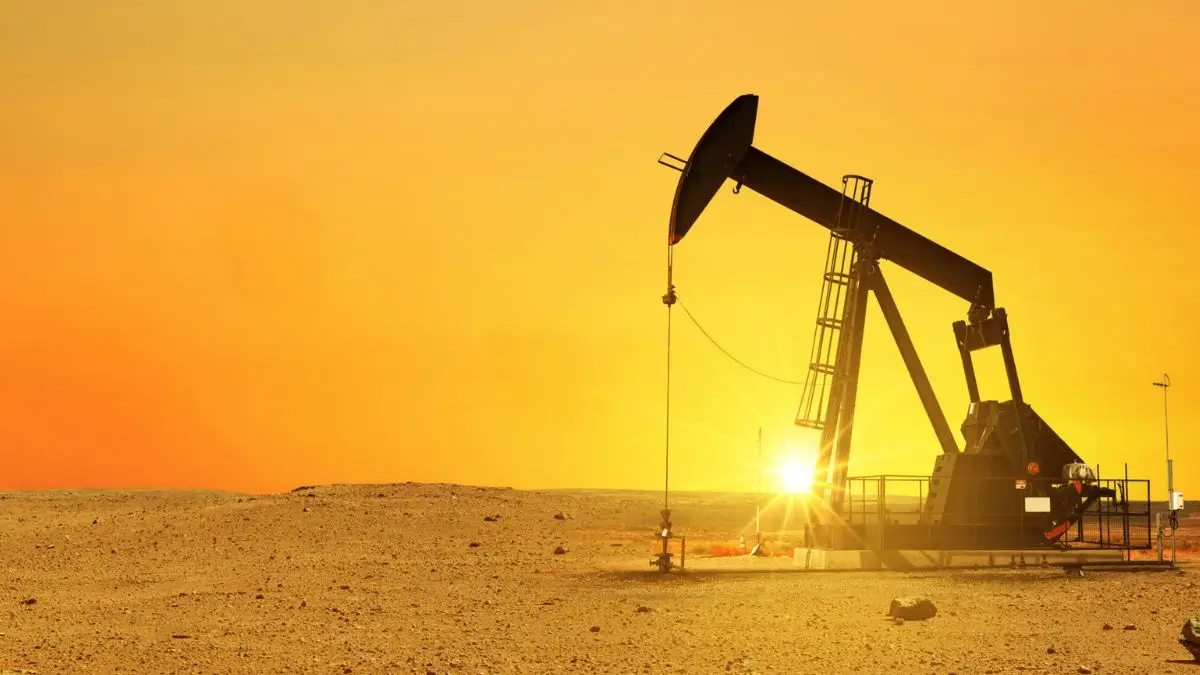
Oil India gas discovery in Rajasthan Dandewala Field reveals 75 MMSCM natural gas reserve, strengthening India’s energy security and reducing import dependence.
Introduction: Major Energy Boost from Rajasthan
Oil India Limited (OIL), a leading public sector enterprise under the Ministry of Petroleum and Natural Gas, has announced the discovery of a new gas-bearing zone in the Dandewala Field located in Jaisalmer district, Rajasthan. This discovery marks an important milestone in India’s ongoing efforts to enhance domestic hydrocarbon production and reduce dependence on imported energy resources. The find is part of India’s broader strategy of strengthening energy security under the vision of Atmanirbhar Bharat.
🛢️ New Gas Discovery in Dandewala Field
Oil India has successfully identified a new natural gas-bearing sand zone in the shallower Sanu Formation of the Dandewala Field. The discovery was made after drilling an exploratory well up to a depth of approximately 950 metres.
During testing, the well recorded an average gas inflow of around 25,000 standard cubic metres per day (SCMD), indicating strong production potential. Preliminary geological and petrophysical analysis suggests the presence of around 75 million standard cubic metres (MMSCM) of gas in place.
This is the first time gas has been successfully established in this shallow formation in the region, opening new possibilities for further exploration in western Rajasthan.
⚙️ Strategic Importance of the Discovery
The discovery is highly significant for India’s energy sector as it strengthens the country’s domestic natural gas output. Western Rajasthan, particularly the Jaisalmer basin, has emerged as a promising hydrocarbon region.
This achievement aligns with India’s long-term goal of increasing the share of natural gas in its energy mix and reducing import dependency. It also supports cleaner energy transition efforts, as natural gas is considered a comparatively cleaner fossil fuel.
🏭 Role of Oil India Limited in Exploration
Oil India Limited is one of India’s major upstream oil and gas companies engaged in exploration and production activities. The company has been actively exploring sedimentary basins across India, including Rajasthan, Assam, and offshore regions.
This discovery highlights OIL’s strategy of re-evaluating existing fields using advanced geological techniques and improving production efficiency through modern exploration methods.
📈 Impact on India’s Energy Security
The Dandewala gas discovery is expected to contribute to:
- Increased domestic natural gas production
- Reduced dependence on imported LNG
- Strengthening of regional energy infrastructure in western India
- Boosting investor confidence in India’s upstream energy sector
It also reinforces the importance of Rajasthan as a strategic energy hub for future exploration activities.

🎯 Why this News is Important
🔋 Energy Security Perspective
This discovery is crucial for India’s energy security as the country continues to import a large share of its natural gas requirements. Increasing domestic production helps stabilize energy prices and reduces foreign dependency.
🌱 Transition to Cleaner Fuel
Natural gas is a cleaner fossil fuel compared to coal and oil. Its increased availability supports India’s transition toward a low-carbon energy system and helps in reducing greenhouse gas emissions.
📊 Economic and Industrial Impact
Higher domestic gas production supports industries such as fertilizers, power generation, and manufacturing. It can also help reduce production costs and improve industrial competitiveness.
🏛️ Policy and Strategic Relevance
The discovery supports government initiatives like Atmanirbhar Bharat and India’s target to increase the share of natural gas in the energy basket. It also strengthens India’s hydrocarbon exploration strategy.
📚 Historical Context
🛢️ Hydrocarbon Exploration in Rajasthan
Rajasthan has been an important region for oil and gas exploration since the discovery of the Barmer oil fields, which significantly boosted India’s domestic crude oil production in the early 2000s.
⚙️ Development of Dandewala Field
The Dandewala field lies within the Jaisalmer basin, a sedimentary basin known for hydrocarbon potential. Over the years, both Oil India Limited and other companies have conducted exploratory drilling in this region to identify oil and gas reserves.
🌍 India’s Energy Import Dependence
India imports a significant portion of its crude oil and natural gas needs. To address this, the government has been promoting domestic exploration under policies such as Hydrocarbon Exploration and Licensing Policy (HELP) and Open Acreage Licensing Policy (OALP).
🧠 Key Takeaways from “Oil India Gas Discovery in Rajasthan”
| S. No. | Key Takeaway |
|---|---|
| 1 | Oil India discovered a new gas-bearing zone in the Dandewala Field, Jaisalmer, Rajasthan |
| 2 | The discovery was made in the shallow Sanu Formation at a depth of around 950 metres |
| 3 | The well recorded gas inflow of approximately 25,000 SCMD |
| 4 | Estimated gas in place is around 75 million standard cubic metres (MMSCM) |
| 5 | The discovery supports India’s goal of energy security and reducing import dependence |
Frequently Asked Questions (FAQs)
1. What is the latest discovery made by Oil India in Rajasthan?
Oil India Limited has discovered a new gas-bearing zone in the Dandewala Field in Jaisalmer district, Rajasthan, in the shallow Sanu Formation.
2. What is the significance of the Sanu Formation?
The Sanu Formation is a shallow geological layer in the Jaisalmer basin that has shown potential for hydrocarbon accumulation, making it important for exploration activities.
3. How much natural gas was found in the Dandewala field discovery?
Preliminary estimates suggest around 75 million standard cubic metres (MMSCM) of gas in place.
4. What is the daily gas production capacity of the new zone?
The tested well recorded an inflow of approximately 25,000 standard cubic metres per day (SCMD).
5. Why is this discovery important for India?
It strengthens India’s energy security, reduces import dependency, and supports cleaner fuel transition under national energy goals.
6. Which organisation made this discovery?
The discovery was made by Oil India Limited (OIL), a Government of India PSU under the Ministry of Petroleum and Natural Gas.
7. Where is the Dandewala Field located?
It is located in the Jaisalmer basin of Rajasthan, a key hydrocarbon exploration region in India.
Some Important Current Affairs Links