







Arogya Van initiative by NHAI explained in detail for UPSC, SSC, and PSC exams. Learn objectives, features, environmental impact, and key facts about medicinal tree plantation along highways.
NHAI’s Arogya Van Initiative: Medicinal Trees to Transform India’s Highways into Green Corridors
Introduction to the Arogya Van Initiative
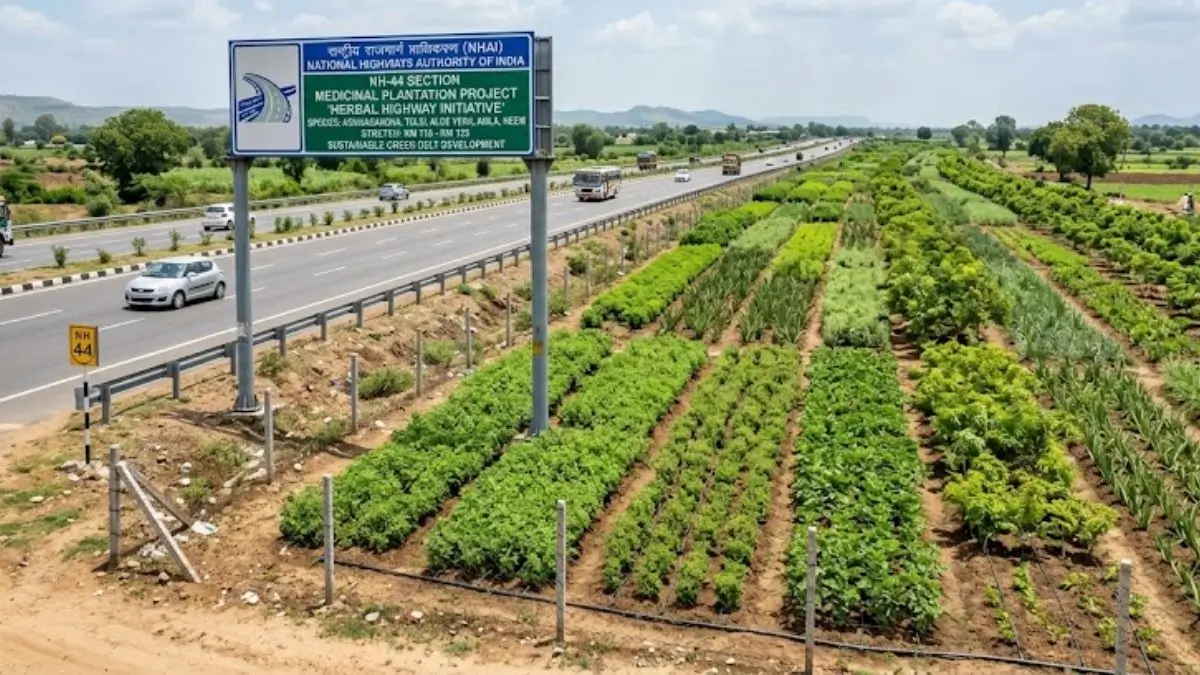
The National Highways Authority of India (NHAI) has launched an innovative environmental initiative called Arogya Van, aimed at planting medicinal trees along National Highways across India. This initiative represents a significant shift from traditional roadside plantation drives to a more purposeful, knowledge-driven ecological approach. It aligns infrastructure development with environmental sustainability and public health awareness.
Objective of the Initiative
The primary objective of the Arogya Van initiative is to enhance biodiversity and strengthen ecological resilience along highways. By introducing medicinal plant species, the project aims to support pollinators, birds, and microfauna, thereby improving the overall health of roadside ecosystems.
Additionally, the initiative promotes awareness about traditional Indian medicinal systems like Ayurveda, thereby connecting modern infrastructure with ancient knowledge systems.
Key Features of the Project
In its first phase, the Arogya Van initiative will cover 17 land parcels across multiple states, spanning approximately 62.8 hectares. Around 67,000+ medicinal trees will be planted across states such as Madhya Pradesh, Rajasthan, Gujarat, Tamil Nadu, and Maharashtra.
The project includes about 36 medicinal plant species, including Neem, Amla, Jamun, Imli, Lemon, Gular, and Maulsari, selected based on agro-climatic suitability.
Strategic Plantation Locations
The plantations will be strategically developed in high-visibility and high-impact areas such as:
- Toll plazas
- Highway interchanges
- Cloverleaf junctions
- Wayside amenities
This approach ensures maximum public engagement and awareness about medicinal plants and environmental sustainability.
Environmental and Ecological Impact
Unlike traditional roadside greening efforts, the Arogya Van initiative focuses on functional biodiversity. The medicinal plants not only enhance greenery but also:
- Support pollinators like bees and butterflies
- Provide habitat for birds and small animals
- Improve soil health and ecosystem balance
This transforms highways into ecological corridors that contribute to long-term environmental sustainability.
Future Expansion Plans
The NHAI has identified approximately 188 hectares of additional vacant land for future plantation drives, particularly during the monsoon season to ensure higher survival rates of plants.
This indicates the government’s long-term commitment to integrating green infrastructure with national development projects.

Why This News is Important
Relevance for Environment and Ecology in Exams
The Arogya Van initiative is highly relevant for competitive exams like UPSC, SSC, and State PSCs under the Environment and Ecology section. It highlights practical steps taken by the government to improve biodiversity and ecosystem resilience. Questions related to green infrastructure and sustainable development are frequently asked in exams.
Link to Government Policies and Sustainable Development
This initiative reflects India’s commitment to sustainable development and aligns with global environmental goals. It demonstrates how infrastructure projects can incorporate ecological considerations, making it a potential case study for policy-based questions in civil services exams.
Promotion of Traditional Knowledge Systems
The initiative promotes Ayurveda and indigenous medicinal knowledge, which is an important aspect of Indian culture and heritage. This makes it relevant for General Studies papers, especially in topics related to culture, health, and environment.
Current Affairs + Static Integration
The topic allows students to link current affairs with static subjects such as biodiversity, conservation strategies, and environmental governance. This integrated approach is crucial for scoring well in competitive examinations.
Historical Context: Background of Green Highway Initiatives in India
Evolution of Roadside Plantation in India
Traditionally, plantation along highways in India focused on aesthetic greenery and soil stabilization using native and avenue trees. These efforts were primarily aimed at preventing soil erosion and improving roadside appearance.
Shift Towards Sustainable Infrastructure
In recent years, the Government of India has emphasized green highways under policies like the Green Highways Policy (2015), which promotes tree plantation, transplantation, and beautification along highways.
Integration of Ecology with Development
The Arogya Van initiative marks a transition from basic plantation drives to thematic and functional ecological planning, where plants are selected based on their environmental and medicinal value.
Revival of Traditional Medicine Systems
India has a long history of using medicinal plants in Ayurveda. By integrating such plants into highway landscapes, the government is reviving traditional knowledge while promoting environmental sustainability.
Key Takeaways from This News
| S.No | Key Takeaway |
|---|---|
| 1 | NHAI launched the Arogya Van initiative to plant medicinal trees along National Highways |
| 2 | First phase covers 17 land parcels across 62.8 hectares with over 67,000 trees |
| 3 | Around 36 medicinal species like Neem, Amla, and Jamun will be planted |
| 4 | The initiative aims to enhance biodiversity, ecosystem resilience, and environmental sustainability |
| 5 | It promotes Ayurveda and transforms highways into green and educational corridors |
FAQs: NHAI’s Arogya Van Initiative
1. What is the Arogya Van initiative?
The Arogya Van initiative is a project launched by the National Highways Authority of India (NHAI) to plant medicinal trees along National Highways to promote biodiversity and environmental sustainability.
2. Which organization launched the Arogya Van initiative?
The initiative has been launched by the National Highways Authority of India (NHAI) under the Ministry of Road Transport and Highways.
3. What is the main objective of this initiative?
The main objective is to enhance ecological balance, promote medicinal plants, support biodiversity, and create awareness about traditional Indian medicine systems like Ayurveda.
4. How many trees and species are included in the first phase?
In the first phase, more than 67,000 medicinal trees of around 36 species will be planted.
5. Which locations are targeted for plantation under this initiative?
Plantation will be done at toll plazas, interchanges, cloverleaf junctions, and wayside amenities.
6. Why is this initiative important for competitive exams?
It is important because it connects environment, government policy, biodiversity conservation, and sustainable development—common topics in UPSC, SSC, and State PSC exams.
7. How does Arogya Van support biodiversity?
It provides habitat for birds and insects, supports pollinators, and improves soil and ecological health along highways.
8. Which policy is related to this initiative?
The initiative is linked to the Green Highways Policy, 2015, which focuses on plantation and beautification along highways.
Some Important Current Affairs Links