





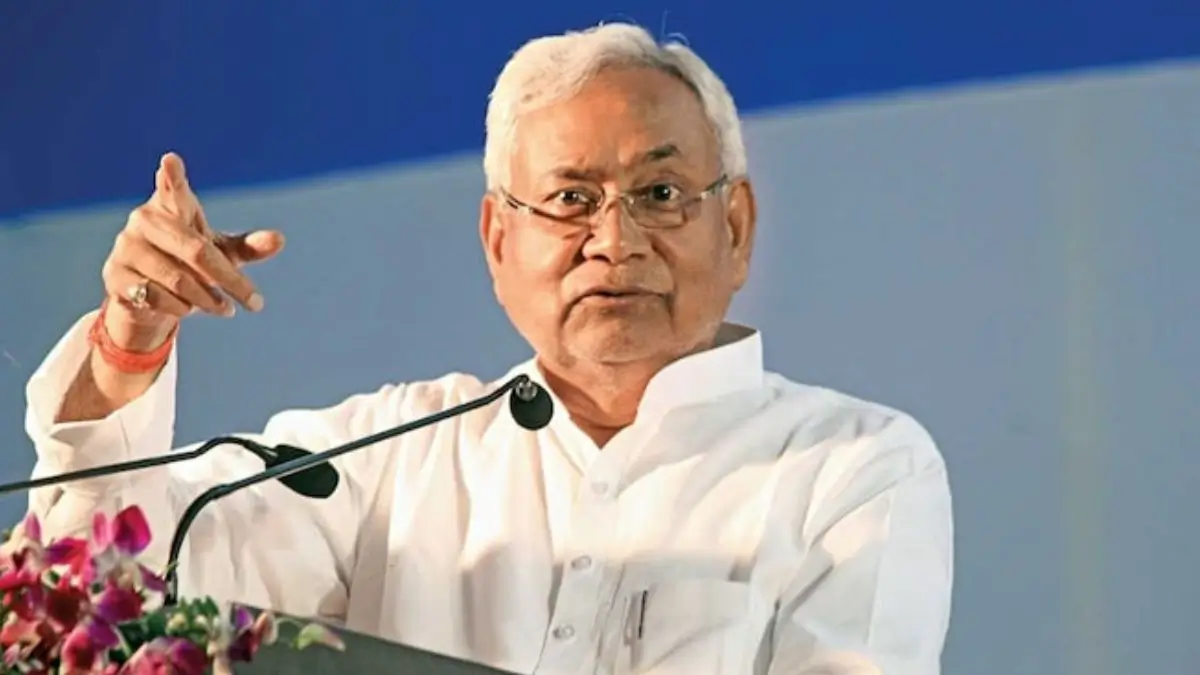
Nitish Kumar resigns from Bihar Legislative Council after Rajya Sabha election, paving way for a new Chief Minister. Latest political update for exams and current affairs 2026.
Nitish Kumar Resigns From Bihar Legislative Council: Political Shake‑Up in the State
In a significant political move that is shaping up to be one of the most consequential developments in Bihar’s recent history, Nitish Kumar, the long‑serving Chief Minister of Bihar, resigned from his membership in the Bihar Legislative Council on March 30, 2026. This step comes shortly after his election to the Rajya Sabha (the Upper House of India’s Parliament) and signals a deeper transition in his political journey from state to national politics.
Nitish Kumar, a veteran Indian politician and president of the Janata Dal (United) party, has been a dominant figure in Bihar’s governance for over two decades. His resignation from the Legislative Council—Bihar’s upper chamber in the state legislature—is constitutionally required as he now prepares to assume his role in the Rajya Sabha. Under rules governing dual membership, a politician elected to two legislative bodies must relinquish one position within a stipulated timeframe.
Why This Resignation Matters
This political transition has broader implications beyond Kumar’s personal career. It sets in motion the process for a new Chief Minister to be appointed in Bihar, potentially reshaping the political landscape in India’s third most populous state. Analysts suggest the move may give space to coalition partners, especially the Bharatiya Janata Party (BJP), to play a more influential role in state leadership.
The resignation was formally submitted through a letter handed over to the Chairman of the Bihar Legislative Council by JD(U) members, complying with constitutional protocol. Once all formalities are complete, the Legislative Council seat will be declared vacant.
A Shift from State to National Focus
Having held the top executive office in Bihar numerous times, Kumar’s transition to the Rajya Sabha hints at a broader shift in his political role—from state governance to contributing in national policymaking and parliamentary debates. This could potentially increase his influence at the central level, even as Bihar anticipates new leadership.
The broader political implications are expected to unfold in the coming weeks as parties negotiate and position themselves for leadership in the state.

Why This News Is Important for Government Exam Aspirants
Understanding this development is crucial for students preparing for civil service, state PSC, UPSC, banking, railways, defence, and other government exams, as it touches on multiple key themes in current affairs:
Political Dynamics and Governance Changes
This news highlights a major constitutional process—a leader resigning from a state legislature to join the national parliamentary system. For exams like UPSC and state PCS, questions may focus on how elections, legislative membership rules, and constitutional provisions affect political transitions.
Federal Structure and Parliamentary System
Nitish Kumar’s resignation underscores the functioning of India’s bicameral legislature, both at the state and national level. This is relevant for General Studies papers, especially topics related to the Indian Polity, parliamentary processes, and election laws.
Political Leadership & Coalition Politics
Given Bihar’s history of coalition governance and shifting alliance dynamics, understanding these developments helps aspirants answer questions on how political alliances, leadership roles, and party strategies influence governance.
Implication on Law & Constitutional Provisions
The constitutional requirement to resign from one legislative membership upon election to another is a direct application of Indian constitutional norms—a vital topic for exams testing constitutional knowledge and governance.
Historical Context: Nitish Kumar’s Political Journey & Bihar’s Governance
Nitish Kumar’s political career spans several decades and reflects the shifting tides of Indian politics:
Rise in Bihar Politics
Nitish Kumar entered politics in the 1980s and gradually rose through the ranks, becoming a central figure in Bihar’s political landscape. Over the years, he has served multiple terms as Chief Minister, with his leadership often credited for infrastructural development, improvements in law and order, and welfare schemes across the state.
Coalition Politics and Shifting Alliances
Kumar’s political strategy often involved navigating complex alliances with major national parties like the BJP and Congress. These alliances—along with occasional shifts—have defined Bihar’s political environment and impacted governance outcomes.
Transition to National Politics
His election to the Rajya Sabha and consequent resignation from the Legislative Council represent a transition from a state‑focused leader to a more nationally engaged legislator. Such shifts are significant in Indian political history, demonstrating how experienced regional leaders take on broader responsibilities at the national level.
Key Takeaways from “Nitish Kumar Resigns From Bihar Legislative Council”
| S. No. | Key Takeaway |
|---|---|
| 1. | Nitish Kumar resigned from the Bihar Legislative Council after being elected to the Rajya Sabha, signaling a shift to national politics. |
| 2. | His resignation is constitutionally required since lawmakers cannot simultaneously hold membership in two legislative bodies. |
| 3. | This move opens the path for appointing a new Chief Minister in the politically significant state of Bihar. |
| 4. | The transition reflects broader political and governance implications, including coalition dynamics between parties like JD(U) and BJP. |
| 5. | For competitive exams, this news connects to topics on Indian polity, parliamentary procedures, and constitutional provisions. |
FAQs: Frequently Asked Questions
1. Who resigned from the Bihar Legislative Council recently?
Nitish Kumar, the Chief Minister of Bihar, resigned from his Legislative Council position on March 30, 2026, after being elected to the Rajya Sabha.
2. Why did Nitish Kumar resign from the Legislative Council?
Under Indian constitutional rules, a person cannot hold membership in two legislative bodies simultaneously. Since Nitish Kumar was elected to the Rajya Sabha, he had to resign from the Bihar Legislative Council.
3. What political implications does this resignation have?
The resignation paves the way for a new Chief Minister in Bihar, impacts coalition dynamics in the state, and signals Kumar’s shift from state-level governance to national politics.
4. Which party does Nitish Kumar belong to?
Nitish Kumar is the leader of the Janata Dal (United) or JD(U).
5. How is this news relevant for competitive exams?
This news is important for UPSC, state PSCs, banking, railways, and defence exams as it connects to topics like Indian polity, parliamentary procedures, constitutional provisions, and political leadership changes.
6. What is the significance of Rajya Sabha membership in this context?
Becoming a Rajya Sabha member allows Nitish Kumar to participate in national legislative debates, influence policymaking, and transition from state politics to national politics.
7. How does this affect Bihar’s governance?
Bihar will need a new Chief Minister, potentially altering governance, coalition arrangements, and political alliances in the state.
Some Important Current Affairs Links