







Inter-Regional Transmission Capacity in India set to reach 143 GW by 2027. Learn about transmission expansion, renewable energy integration, and national grid upgrades for energy security.
Inter-Regional Transmission Capacity to Reach 143 GW by 2027
Strengthening India’s Power Transmission Infrastructure
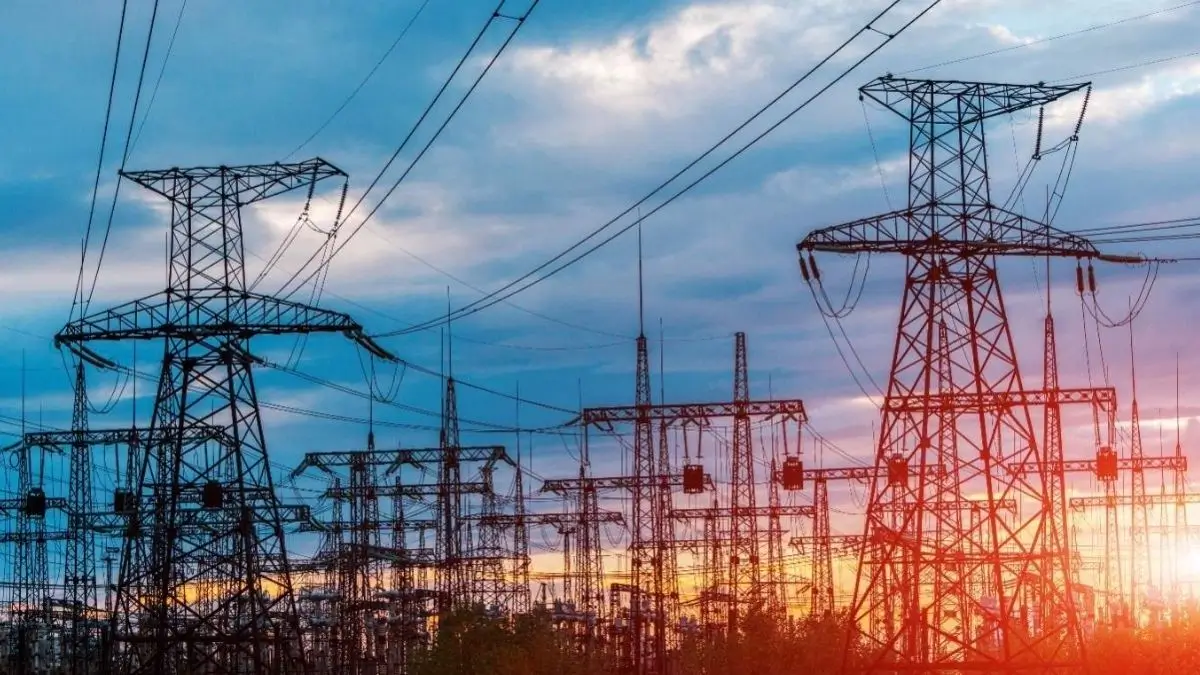
India is significantly expanding its electricity transmission infrastructure to ensure reliable power distribution across the country. The government has announced that the nation’s inter-regional transmission capacity will increase to 143 gigawatts (GW) by 2027 and further expand to 168 GW by 2032. This information was shared in Parliament by Shripad Naik, highlighting the government’s long-term plan to strengthen the national power network.
Inter-regional transmission capacity refers to the amount of electricity that can be transferred between different regions of the country through the national power grid. Expanding this capacity allows electricity generated in surplus regions to be transmitted to areas with higher demand, thereby improving efficiency and ensuring stable power supply across the country.
Current Status of India’s Transmission Capacity
As of December 2025, India’s inter-regional transmission capacity stood at around 120 GW, which already allows power exchange between different regions of the national grid. However, the government expects electricity demand to increase significantly in the coming years due to rapid economic growth, urbanization, and rising industrial activity.
To address this growing demand, the government plans to continuously expand the capacity of the National Grid of India, ensuring that electricity flows smoothly between states and regions without transmission constraints. This expansion is also essential for integrating large amounts of renewable energy into the power system.
Expansion Plans Under the National Electricity Plan
The expansion of transmission infrastructure is being guided by the National Electricity Plan (NEP), particularly Volume II focusing on transmission development. According to the plan, India’s transmission network for high-voltage lines (220 kV and above) will expand to approximately 6.48 lakh circuit kilometres by 2032.
In addition, the transformation capacity—measured in gigavolt ampere (GVA)—is expected to increase to 2,345 GVA by 2032, allowing efficient conversion and distribution of electricity across different voltage levels. These upgrades will help meet India’s projected peak electricity demand of about 388 GW by 2032.
Importance for Renewable Energy Integration
The expansion of transmission capacity is also critical for supporting India’s renewable energy transition. Many renewable energy sources, such as solar and wind farms, are located in regions that are far from major consumption centers. A stronger transmission network ensures that electricity generated from these sources can be efficiently transported to cities and industrial hubs.
By improving grid connectivity, India can better manage fluctuations in renewable energy production and maintain stable electricity supply across all regions of the country. This step is also aligned with India’s long-term clean energy goals and efforts to build a resilient power system.

Why This News Is Important
Relevance for Energy Security
The increase in inter-regional transmission capacity is crucial for ensuring India’s long-term energy security. As electricity demand rises due to economic growth and population increase, the country needs a strong and flexible transmission system to transport electricity efficiently. Expanding the power grid capacity allows surplus electricity from one region to be transmitted to another region facing shortages, thereby preventing blackouts and improving grid reliability.
Support for Renewable Energy Expansion
India is rapidly expanding renewable energy production, especially solar and wind power. However, renewable energy generation often occurs in specific geographic regions, such as deserts or coastal areas. Strengthening transmission capacity enables this electricity to be transmitted across the country, supporting the government’s clean energy targets and reducing dependence on fossil fuels.
Important for Competitive Exams
For students preparing for government exams like Union Public Service Commission, Institute of Banking Personnel Selection, and various State Public Service Commission exams, this development is important because it highlights India’s infrastructure growth, energy policy, and economic planning. Questions in exams often focus on energy sector reforms, renewable energy integration, and major national infrastructure initiatives.
Historical Context: Evolution of India’s Power Transmission Network
India’s electricity sector has undergone major transformation over the past few decades. Initially, the country’s power system consisted of separate regional grids operating independently. Over time, these regional grids were gradually interconnected to form a unified national grid capable of transferring electricity across the entire country.
The creation of the National Grid of India marked a significant milestone in India’s energy infrastructure. The integration of regional grids was completed in 2013, enabling seamless power transmission nationwide and improving grid stability.
With rapid industrial growth and rising electricity demand, the government has continuously expanded transmission infrastructure. The National Electricity Plan plays a central role in guiding long-term investments in power generation and transmission. The current plan focuses on modernizing the grid, increasing transmission capacity, and integrating renewable energy sources to support India’s future energy needs.
Key Takeaways from This News
| S. No. | Key Takeaway |
|---|---|
| 1 | India’s inter-regional transmission capacity will increase to 143 GW by 2027. |
| 2 | The capacity is expected to further expand to 168 GW by 2032. |
| 3 | Current inter-regional transmission capacity is about 120 GW (as of 2025). |
| 4 | Expansion is guided by the National Electricity Plan (Transmission) to meet rising electricity demand. |
| 5 | The strengthened grid will help integrate renewable energy and ensure reliable electricity supply nationwide. |
FAQs: Frequently Asked Questions
1. What is inter-regional transmission capacity?
Inter-regional transmission capacity is the maximum amount of electricity that can be transferred between different regions of a country’s power grid. It ensures that surplus power from one region can be transmitted to areas with high demand.
2. What is the target inter-regional transmission capacity for India by 2027?
India aims to achieve an inter-regional transmission capacity of 143 GW by 2027.
3. Why is expanding transmission capacity important for renewable energy?
Many renewable energy projects, such as wind and solar farms, are located far from urban consumption centers. Expanding transmission capacity allows electricity from these projects to reach cities and industries efficiently.
4. What role does the National Electricity Plan play in transmission expansion?
The National Electricity Plan (NEP) provides guidelines for the expansion and modernization of the transmission network, including high-voltage lines and transformation capacity, ensuring India meets its growing electricity demand.
5. How does increasing inter-regional transmission capacity benefit students preparing for competitive exams?
It highlights India’s energy infrastructure and policy developments, which are commonly asked in exams like UPSC, SSC, IBPS, State PSCs, and other government exams.
6. What is the expected inter-regional transmission capacity by 2032?
It is projected to reach 168 GW by 2032 to meet increasing electricity demand and integrate renewable energy sources.
7. How does the national grid support energy security?
A strong national grid enables power flow between regions, reduces blackout risks, and allows stable electricity supply during peak demand or emergencies.
Some Important Current Affairs Links