


Russia Burevestnik missile test 2025 marks a major leap in nuclear-powered cruise missile technology. Learn about its 15-hour flight, 14,000 km range, global impact, and exam-relevant facts for UPSC and defence aspirants.
Introduction: A Strategic Leap in Missile Technology
On October 28 2025, Vladimir Putin publicly declared that Russia’s nuclear-powered cruise missile, known as 9M730 Burevestnik (NATO designation: “SSC-X-9 Skyfall”), has successfully completed its latest test—with the missile reportedly staying airborne for about 15 hours and travelling roughly 14,000 kilometres. This test marks a significant milestone in missile engineering and strategic deterrence.
What Exactly Is the Burevestnik Missile?
The Burevestnik is a nuclear-powered, nuclear-capable cruise missile developed by Russia. Its key features include a miniaturised nuclear reactor for propulsion, enabling extremely long endurance and potential “unlimited range” in theory. It’s designed to fly at low altitude, adopt unpredictable flight paths, and evade existing missile-defence systems. Its NATO codename, “SSC-X-9 Skyfall,” alludes to its strategic threat level.
Details of the Test Announcement
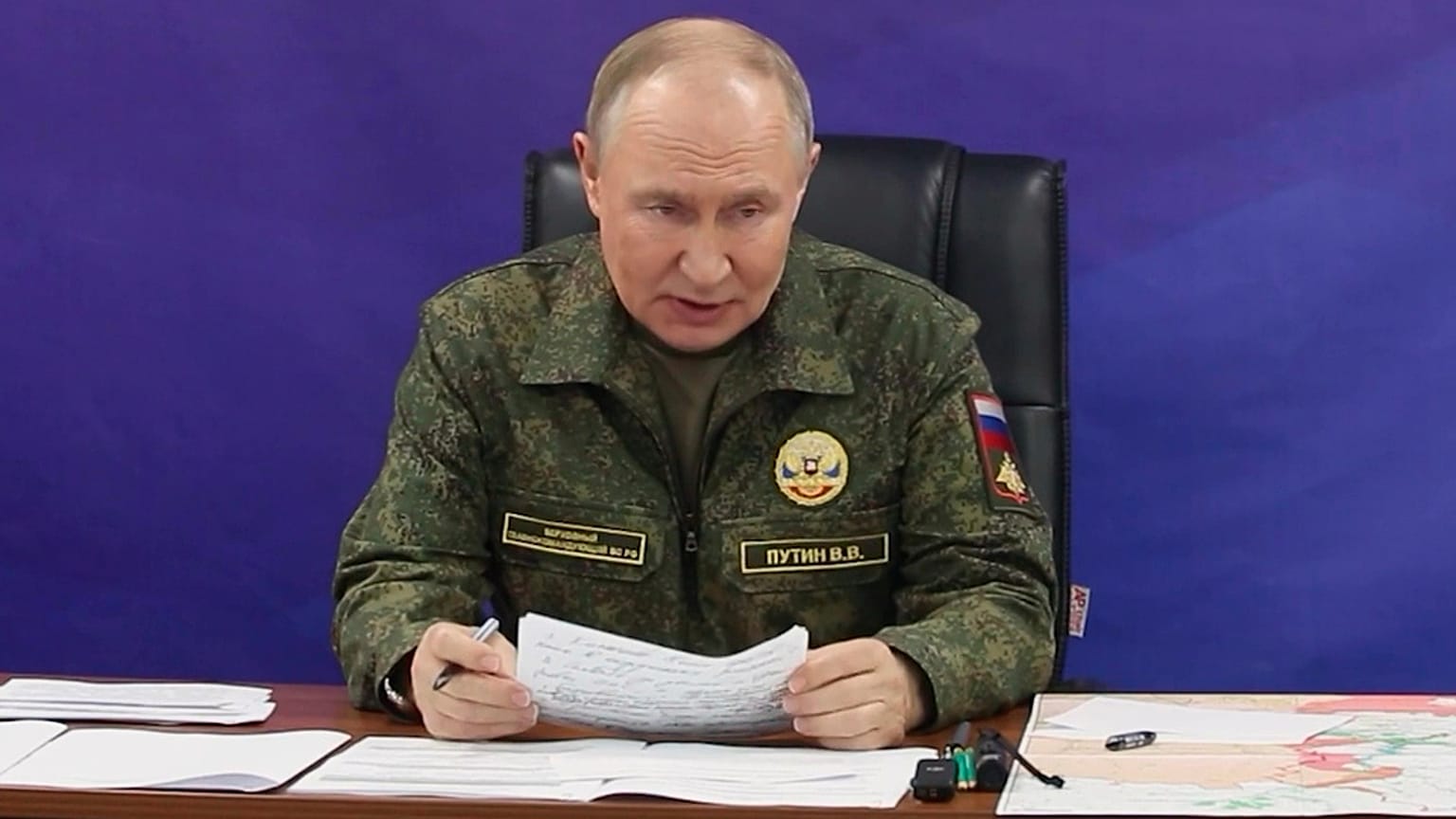
According to the announcement, the missile remained aloft for approximately 15 hours and covered an estimated 14,000 km. Putin reportedly addressed military leadership—including Valery Gerasimov—in a televised meeting, instructing them to prepare infrastructure for the missile’s deployment in the near future. The timing of the announcement coincides with Russia’s broader strategic messaging amid its ongoing military commitments.
Global & Strategic Implications
The successful demonstration of a nuclear-powered cruise missile presents a paradigm shift in strategic deterrence. The ability to sustain flight for extended durations and traverse vast distances multiplies the threat of surprise or long-range strike capability. For countries like India preparing for defence, civil-services and railways exams, understanding such developments is vital, as they influence global defence postures, geopolitical alignments, and arms-control dynamics.
Considerations and Skepticism
While Russia has claimed these capabilities, independent verification remains scarce. Historically, similar high-profile weapons announcements have been delayed or scaled back. The technical challenges of safely launching a nuclear-powered missile—with emissions, reactor safety, propulsion stability and international verification concerns—remain substantial. Analysts caution that the strategic messaging may be aimed at deterrence and domestic audience as much as actual operational deployment.
Why This News Is Important
Strategic Significance for Global Security
The test of the Burevestnik places Russia into a league of nations capable of deploying next-generation strategic weapons. For students of defence and governance, this development signals how nuclear-armed states are shifting from traditional ballistic-missile deterrents toward more flexible, harder-to-track systems. It affects the strategic calculus of major powers—and thereby influences policymaking, defence budgets, treaty negotiations and exam-relevant topics like arms control and global security.
Relevance to Government Exams and Competitive Aspirants
For aspirants preparing for roles in policing, railways, banking or the civil services, current affairs questions often focus on emerging technologies, defence systems and India’s strategic environment. This news can crop up as a question on Russia’s defence capabilities, implications for India’s neighbourhood, or new arms-race dynamics. Understanding the Burevestnik test helps in answering both objective and analytical questions in exams like SSC CGL, CDS, CAPF, and UPSC.
Impact on India’s Strategic Environment
India monitors developments in Russian weapon systems, especially given India’s historic defence cooperation with Russia. A weapon that can potentially fly long distances and evade missile-defence systems adds complexity to India’s security environment—particularly in the context of its northern borders, maritime domains and nuclear doctrine. This makes the news a key topic for Indian strategic studies and public-affairs sections in exams.
Historical Context
Origin & Development of the Burevestnik Programme
The Burevestnik project has its roots in Russia’s desire to circumvent U.S. and allied missile-defence systems like the Terminal High Altitude Area Defence (THAAD) and Aegis Ashore by developing a missile with essentially unlimited range. Early mentions of the 9M730 began around 2018 when Russia’s defence leadership revealed that they were working on a “nuclear-powered unmanned aerial vehicle” and long-range cruise weapon.
Previous Milestones and Announcements
In 2019, Putin first unveiled Burevestnik as part of a wider suite of advanced Russian strategic weapons—including hypersonic missiles and nuclear-powered torpedoes. The development, however, has faced skepticism and technical delays. Western analysts have pointed to a 2019 accident that allegedly involved an explosion at a Russian test site, linked to a failed Burevestnik test, highlighting the risks associated with nuclear-powered propulsion.
Arms Control & Global Repercussions
The unveiling of such a system re-ignites questions around global arms control frameworks. Treaties like the Intermediate‑Range Nuclear Forces Treaty (INF), from which the U.S. withdrew in 2019, initially addressed land-based missiles with certain ranges—but weapons like Burevestnik demonstrate that boundaries are shifting. Such developments complicate verification, non-proliferation regimes and strategic stability in regions such as South Asia, Europe and East Asia.
Key Takeaways from the Burevestnik Test
| # | Key Takeaway |
|---|---|
| 1 | The 9M730 Burevestnik is a nuclear-powered, nuclear-capable cruise missile developed by Russia. |
| 2 | Russia claims the missile completed a test flight of about 15 hours and covered roughly 14,000 km. |
| 3 | The missile’s nuclear-powered propulsion theoretically offers very long endurance and ability to evade current missile-defence systems. |
| 4 | The announcement signals a shift in strategic deterrence and has implications for global security, India’s defence posture and arms-control dynamics. |
| 5 | Independent verification of Russia’s claims is limited, and technical, safety and deployment challenges persist. |
Frequently Asked Questions (FAQs)
1. What is the Burevestnik missile?
The Burevestnik is a nuclear-powered, nuclear-capable cruise missile developed by Russia. It uses a miniaturised nuclear reactor for propulsion, enabling it to travel extremely long distances and evade traditional missile-defence systems.
2. When did Russia announce the successful test of the Burevestnik missile?
Russian President Vladimir Putin announced the successful test on October 28, 2025, claiming the missile flew for around 15 hours and covered approximately 14,000 km.
3. What is the NATO code name for the Burevestnik missile?
The NATO code name for the Burevestnik missile is “SSC-X-9 Skyfall.”
4. Why is this missile considered strategically significant?
It represents a potential “game-changer” in nuclear deterrence because of its theoretical unlimited range, ability to stay airborne for extended periods, and capability to circumvent global missile-defence networks.
5. How is this news relevant for Indian competitive exams?
Questions related to global defence advancements, international security, and India-Russia relations frequently appear in exams like UPSC, CDS, CAPF, SSC, and Defence Services exams. This topic can be used for both factual and analytical questions.
6. What are the possible risks associated with nuclear-powered missiles?
Risks include radioactive contamination, engine instability, and safety concerns during testing or crashes. Critics argue that nuclear-propelled missiles could endanger both operators and the environment.
7. Has Burevestnik been tested before 2025?
Yes, earlier experimental tests reportedly occurred between 2018 and 2019, though several were unsuccessful and even linked to accidents.
8. What treaties are relevant to such missile tests?
The Intermediate-Range Nuclear Forces (INF) Treaty and New START Treaty are historically relevant to the control of nuclear-armed systems, though Burevestnik falls outside their original frameworks.
9. How does this test impact global arms control?
It complicates arms-control verification processes and could trigger renewed nuclear competition among major powers, undermining long-standing disarmament efforts.
10. What lessons should aspirants draw from this development?
Students preparing for exams should understand the intersection of technology, strategy, and geopolitics—and how scientific innovation affects global power balances and India’s security environment.
Some Important Current Affairs Links