

India Japan critical minerals pact signed to strengthen supply chain security, boost renewable energy, and support EV manufacturing. Learn about its significance for India’s economy, geopolitics, and exams.
India and Japan Sign Pact on Critical Minerals Cooperation
Strengthening Strategic Ties between India and Japan
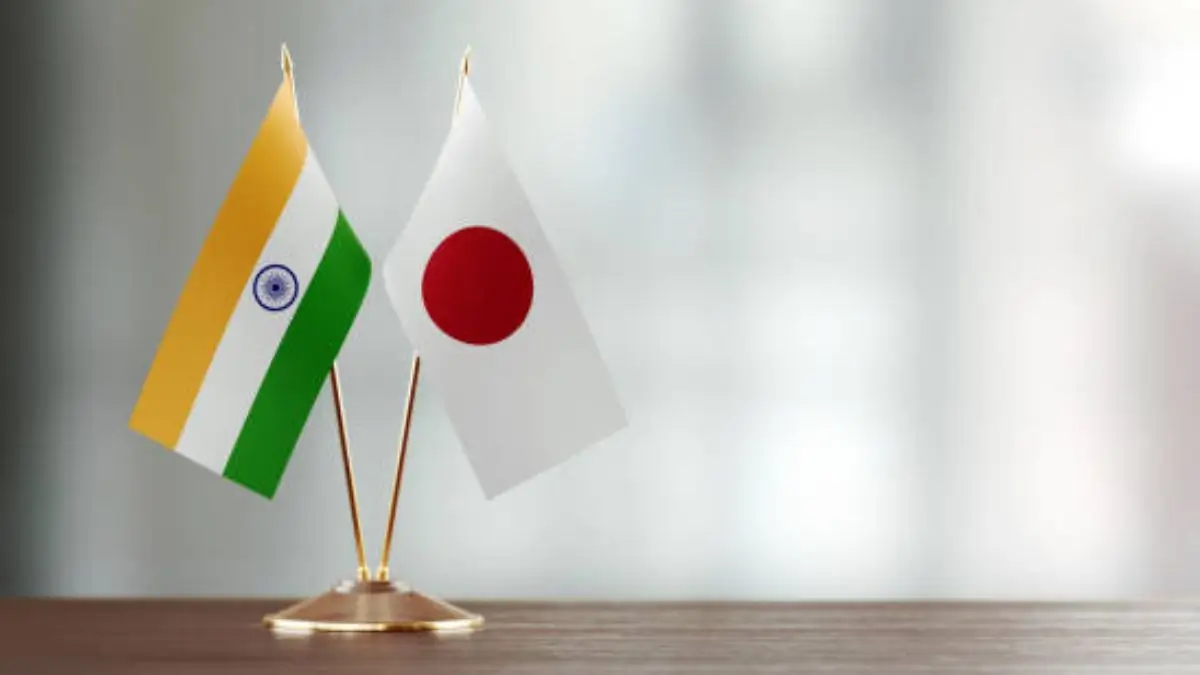
India and Japan have taken a significant step forward in their bilateral relationship by signing a new agreement on cooperation in the field of critical minerals. This pact is expected to play an important role in ensuring a stable supply chain for essential resources that are vital for energy transition, advanced technology, and defence applications. Both countries emphasized that such collaboration is essential for securing their long-term economic and strategic interests in the Indo-Pacific region.
Focus on Securing Critical Minerals Supply Chains
Critical minerals such as lithium, cobalt, nickel, rare earth elements, and graphite are vital for producing electric vehicle (EV) batteries, semiconductors, renewable energy systems, and advanced defence technologies. With rising global demand, India and Japan have decided to establish a framework for joint exploration, development, processing, and recycling of these resources. This agreement reflects the shared objective of reducing dependency on a few dominant players in the global minerals market and ensuring resilience against supply disruptions.
Economic and Industrial Benefits for India
The pact offers India an opportunity to strengthen its industrial base, particularly in sectors like electric mobility, renewable energy, and high-tech manufacturing. By gaining access to Japanese technology and investment, India is expected to accelerate domestic capabilities in mineral processing and battery production. This will support India’s goals of achieving self-reliance (Atmanirbhar Bharat) and meeting its renewable energy targets under international climate commitments.
Japan’s Strategic Importance in Critical Minerals
Japan, with its advanced technological ecosystem and dependency on imports for critical resources, views this partnership as essential for maintaining economic security. The agreement with India complements Japan’s broader strategy of diversifying mineral supply sources and reducing risks linked to geopolitical tensions. Tokyo also sees India as a reliable partner in fostering transparent, sustainable, and ethical mineral supply chains.
Geopolitical Significance in the Indo-Pacific Region
This cooperation is not just economic but also geopolitical. Both India and Japan are members of the Quad grouping along with the US and Australia, which collectively aim to secure supply chains for critical technologies and reduce over-reliance on specific nations. The new pact aligns with this larger strategic framework and strengthens India–Japan cooperation in building a free, open, and rules-based Indo-Pacific.

Why This News is Important
Impact on India’s Economic Growth
For students preparing for exams, this news highlights how India is working towards securing raw materials necessary for technological advancement and industrial growth. The pact will help boost domestic manufacturing of EV batteries, solar panels, and electronics, directly linking to India’s energy security and sustainable development goals.
Relevance for Competitive Exams
Questions on India’s international relations, energy transition policies, and industrial strategies often feature in exams like UPSC, SSC, Banking, Railways, and Defence. This development provides a case study of how India is diversifying its supply chains and strengthening partnerships with like-minded nations to ensure resource security.
Historical Context
India and Japan have been close strategic partners for decades, particularly since the signing of the India–Japan Special Strategic and Global Partnership in 2014. Both countries have consistently collaborated in areas like high-speed rail, defence technology, infrastructure, and clean energy. In recent years, global competition over critical minerals has intensified, especially due to the demand for green technologies. Japan has already signed agreements with Australia, the US, and other nations to secure its mineral supply chains. India too has launched initiatives such as the National Critical Minerals Mission to enhance domestic capacity. This new pact between India and Japan builds on that history and strengthens their partnership in an area that is increasingly important for economic and security concerns.
Key Takeaways from India–Japan Critical Minerals Pact
| S.No. | Key Takeaway |
|---|---|
| 1 | India and Japan signed a pact to cooperate on exploration, development, and recycling of critical minerals. |
| 2 | Critical minerals like lithium, cobalt, nickel, and rare earths are essential for EVs, renewable energy, and defence technologies. |
| 3 | The agreement strengthens India’s manufacturing base and supports its Atmanirbhar Bharat vision. |
| 4 | Japan views India as a strategic partner to diversify its mineral supply sources and reduce import dependency. |
| 5 | The pact aligns with the Indo-Pacific and Quad framework to build resilient and secure supply chains. |
Frequently Asked Questions (FAQs)
1. What are critical minerals?
Critical minerals are resources essential for advanced technologies such as electric vehicles, renewable energy, defence systems, and electronics. Examples include lithium, cobalt, nickel, rare earth elements, and graphite.
2. Why did India and Japan sign this pact?
India and Japan signed this agreement to secure stable and diversified supply chains for critical minerals, reduce dependence on limited sources, and promote sustainable economic growth.
3. How will India benefit from this agreement?
India will gain access to Japanese technology and investments in mineral exploration, processing, and recycling, boosting domestic industries like electric mobility, clean energy, and semiconductor manufacturing.
4. What is Japan’s interest in this pact?
Japan depends heavily on imports for critical minerals. Partnering with India helps Tokyo diversify its supply sources and reduce risks associated with geopolitical disruptions.
5. How is this pact linked to the Indo-Pacific and Quad?
The agreement aligns with the Quad’s larger goal of securing resilient supply chains and ensuring a free, open, and rules-based Indo-Pacific.
6. What is India’s domestic initiative for critical minerals?
India has launched the National Critical Minerals Mission to strengthen exploration, processing, and recycling of critical resources.
7. Which sectors in India will be most impacted by this pact?
Sectors like renewable energy, electric vehicles, battery manufacturing, electronics, and defence production will directly benefit.
8. When was the India–Japan Special Strategic and Global Partnership established?
It was established in 2014, strengthening cooperation in defence, infrastructure, and economic development.
9. Why are critical minerals important for the future?
They are vital for energy transition, green technologies, and technological self-reliance, making them strategically significant for economic and national security.
10. Can this agreement impact India’s climate goals?
Yes, by securing minerals for renewable energy and EVs, it supports India’s commitments to reduce carbon emissions and achieve sustainability targets.
Some Important Current Affairs Links