





New Development Bank Expansion: Colombia and Uzbekistan join NDB ahead of BRICS Summit 2025, strengthening Global South cooperation and boosting multipolar economic governance.
📰 Colombia and Uzbekistan Join NDB Ahead of 17th BRICS Summit
Expansion of NDB Membership
Colombia and Uzbekistan have officially become the 10th and 11th members of the New Development Bank (NDB), as confirmed during the bank’s 10th Board of Directors meeting held just before the 17th BRICS Summit. With this addition, the NDB’s membership stands at eleven, including founding members Brazil, Russia, India, China, South Africa, and earlier joiners like Bangladesh, UAE, Egypt, Algeria, Colombia, and now Uzbekistan
Goals & Mandate of NDB
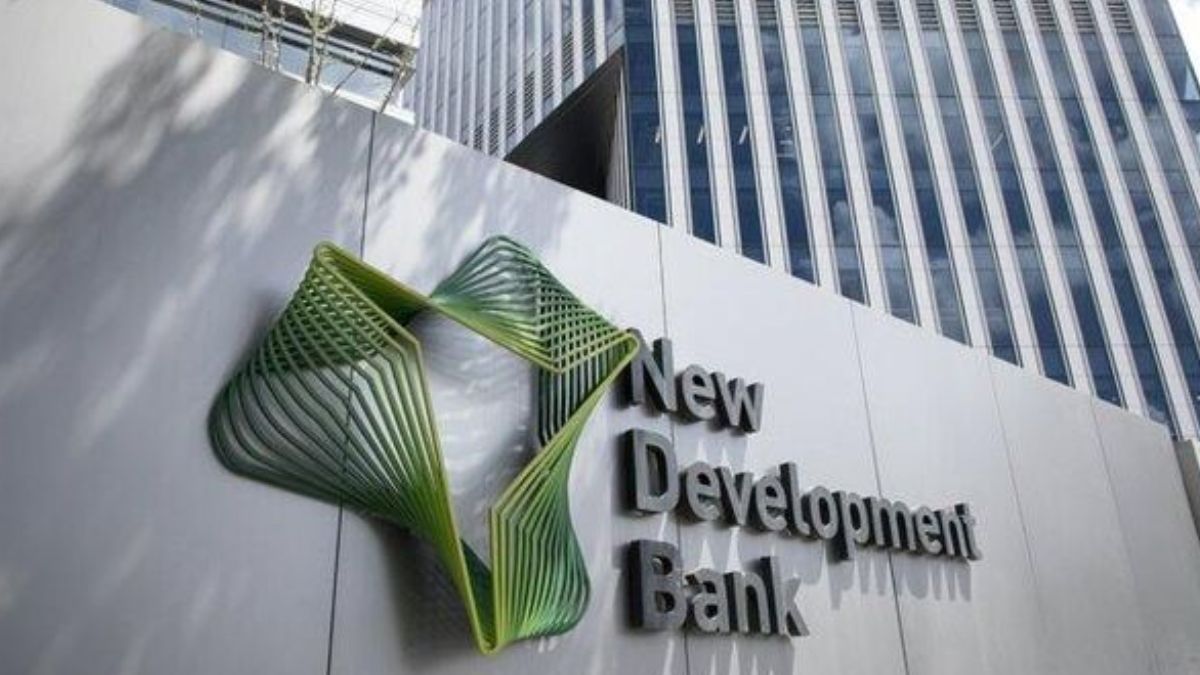
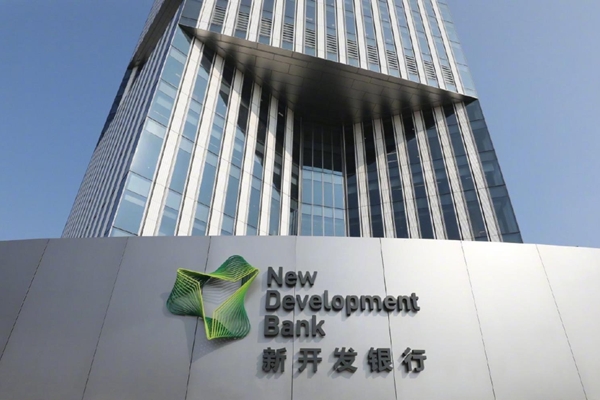
Established in 2015 by the BRICS nations, the NDB headquartered in Shanghai aims to finance infrastructure and sustainable projects in emerging economies. Its mission: foster equitable global development while reducing reliance on Western financial institutions
Dilma Rousseff’s Vision
NDB President Dilma Rousseff highlighted the strategic commitment to the Global South, addressing challenges such as the Fourth Industrial Revolution through investments in tech, science, and innovation, backed by over 120 ongoing global projects
Strengthening Multilateralism
Chinese experts point out that expanding the NDB enhances the platform’s vibrancy, inclusivity, and regional presence, bolstering South-South cooperation amid volatile geopolitics and growing calls to reform global governance
Strategic Timing
Announced on July 5–6, 2025, during a press conference in Rio de Janeiro, just before the 17th BRICS Summit (held 6–7 July 2025), this move signals a broader alignment between NDB expansion and BRICS’s agenda: a more inclusive, multipolar global order
Why This News Is Important for Exam Aspirants 🌍
1. Demonstrates India’s Role in Global Institutions
For students preparing for UPSC, SSC, Banking, Railway, or Defense exams, understanding India’s participation in initiatives like the NDB is crucial. It reflects India’s influence in shaping alternative development platforms, outside traditional Bretton Woods frameworks, and emphasizes New Delhi’s growing leadership in South-South cooperation.
2. Spotlights BRICS Evolution & Reform of Global Governance
This development underscores BRICS’s efforts to expand beyond its original five members, adopting a BRICS+ model. It champions calls for a restructured global financial architecture that is more inclusive, equitable, and representative of the Global South.
3. Relevant to Economy & International Relations Syllabus
Questions on international bodies, multilateral development banks, and trade & economic blocs frequently appear in current affairs segments across government exams. Awareness of the NDB’s role, structure, membership, and strategic objectives can help tackle such questions confidently.
Historical Context
Origins and Mission of the New Development Bank
- Founded in 2015 by BRICS nations—Brazil, Russia, India, China, and South Africa—with the mission to mobilize funds for sustainable infrastructure and development projects in emerging economies
- It was conceived as an alternative to dominant institutions like the World Bank and IMF, aiming to reduce dependency on traditional Western-led financial systems .
Steady Expansion Strategy
- After inception, the NDB gradually expanded membership: Bangladesh, UAE, Egypt, Algeria joined before 2025
- Its ₹40 billion pipeline spans over 120 projects in clean energy, transport, social infrastructure, digital connectivity, water, and sanitation
BRICS Summit Linkage
- Every year, the BRICS Summit reviews progress in cooperative initiatives. The 17th summit in Rio de Janeiro (6–7 July 2025) took place amid a wave of expansion and restructuring toward a BRICS+ framework, reflecting the group’s growing scope
Key Takeaways from This News
| # | Key Takeaway |
|---|---|
| 1 | Colombia and Uzbekistan became the 10th & 11th members of the NDB in July 2025 |
| 2 | NDB was established by BRICS in 2015 to catalyze infrastructure & sustainability projects |
| 3 | Dilma Rousseff signaled focus on technological innovation & Global South development |
| 4 | NDB has funded over 120 projects worth US $40 billion in key sectors |
| 5 | The additions reinforce BRICS’s global expansion and multi‑polar financial vision |
FAQs: Frequently Asked Questions
1. What is the New Development Bank (NDB)?
The NDB is a multilateral development bank established by the BRICS nations (Brazil, Russia, India, China, South Africa) in 2015 to fund infrastructure and sustainable development projects in emerging economies.
2. Why did Colombia and Uzbekistan join the NDB?
Colombia and Uzbekistan joined the NDB to access financial resources for infrastructure and development projects, and to participate in a growing Global South cooperation framework.
3. Who is the current President of the NDB?
As of 2025, Dilma Rousseff, former President of Brazil, is serving as the President of the New Development Bank.
4. Where was the 17th BRICS Summit held?
The 17th BRICS Summit was held in Rio de Janeiro, Brazil from 6–7 July 2025.
5. How does the NDB differ from institutions like the World Bank?
The NDB aims to reduce dependency on traditional Western-led financial institutions by focusing on more inclusive and equitable funding mechanisms for emerging economies.
Some Important Current Affairs Links