







India Takes Flight with E-Hansa: Indigenous Electric Aircraft Initiative Launched
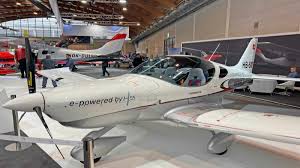
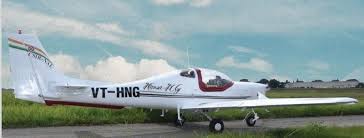
India has embarked on a significant step towards sustainable aviation with the launch of the E-Hansa, an indigenous electric trainer aircraft. Developed by the Council of Scientific and Industrial Research – National Aerospace Laboratories (CSIR-NAL) in Bengaluru, the E-Hansa aims to revolutionize pilot training by offering an eco-friendly and cost-effective alternative to traditional fuel-powered aircraft.
Design and Development
The E-Hansa is a two-seater, all-composite low-wing monoplane, designed to serve as a trainer aircraft for pilot education. It is an evolution of the earlier HANSA-NG model, incorporating electric propulsion to reduce carbon emissions and operational costs. The aircraft is expected to be priced under ₹2 crore (approximately $234,000), making it a more affordable option compared to imported trainer aircraft, which can cost up to ₹50 crore (around $6 million).
Environmental Impact
One of the primary motivations behind the E-Hansa project is to promote green aviation. By utilizing electric power, the E-Hansa aims to significantly reduce greenhouse gas emissions associated with pilot training. This initiative aligns with India’s broader goals of achieving net-zero emissions and fostering sustainable practices across various sectors.
Strategic Importance
The development of the E-Hansa is also strategically significant. It enhances India’s self-reliance in defense and aerospace technologies, reducing dependence on foreign imports. Additionally, the E-Hansa could serve as a model for future electric aircraft, paving the way for innovations in both civilian and military aviation sectors.
Future Prospects
Looking ahead, the E-Hansa project is poised to contribute to the growth of India’s aerospace industry. With ongoing advancements in electric propulsion and aircraft design, the E-Hansa could play a pivotal role in transforming the landscape of aviation training and operations in India.
Why This News is Important
Advancement in Sustainable Aviation
The launch of the E-Hansa marks a significant milestone in India’s efforts to promote sustainable aviation. By integrating electric propulsion into trainer aircraft, India is taking proactive steps towards reducing the carbon footprint of its aviation sector. This move is expected to inspire similar initiatives in other countries, contributing to global efforts in combating climate change.
Enhancing Self-Reliance in Aerospace
The E-Hansa project underscores India’s commitment to achieving self-reliance in aerospace technologies. By developing indigenous solutions, India aims to reduce its dependency on foreign aircraft, thereby strengthening its defense capabilities and fostering innovation within the country.
Economic Implications
The affordability of the E-Hansa makes it an attractive option for pilot training programs across the nation. Its lower operational costs could lead to more widespread training opportunities, potentially addressing the shortage of trained pilots in various sectors. Furthermore, the development and production of the E-Hansa could stimulate economic growth by creating jobs and fostering the growth of the aerospace industry in India.
Educational Opportunities
The introduction of the E-Hansa into pilot training curricula offers students a chance to engage with cutting-edge technology. Exposure to electric aircraft can enhance the learning experience and prepare future pilots for the evolving landscape of aviation.
Global Recognition
India’s initiative in developing the E-Hansa positions the country as a leader in green aviation technologies. This recognition can enhance India’s standing in the global aerospace community and open avenues for international collaborations and partnerships.
Historical Context
The journey towards the E-Hansa began with the development of the original HANSA aircraft by the National Aerospace Laboratories (NAL) in the late 1980s. The HANSA-NG, an upgraded version, made its first flight in 2021. Building upon this foundation, the E-Hansa project was initiated to incorporate electric propulsion, aligning with global trends towards sustainable aviation. The collaboration between CSIR-NAL and Pioneer Clean AMPS Pvt Ltd in April 2025 marked a significant step in the development of the E-Hansa, focusing on the production and after-sales support of the aircraft.
Key Takeaways from “India Takes Flight with E-Hansa”
| S. No. | Key Takeaway |
|---|---|
| 1. | The E-Hansa is an indigenous electric trainer aircraft developed by CSIR-NAL. |
| 2. | It is designed to be eco-friendly and cost-effective, with a target price under ₹2 crore. |
| 3. | The aircraft aims to reduce carbon emissions in pilot training programs. |
| 4. | The E-Hansa enhances India’s self-reliance in aerospace technologies. |
| 5. | It offers educational institutions an opportunity to train pilots on cutting-edge technology. |
FAQs: Frequently Asked Questions
Q1: What is the E-Hansa aircraft?
A1: The E-Hansa is an indigenous electric trainer aircraft developed by CSIR-NAL designed for pilot training with electric propulsion to reduce emissions.
Q2: Who developed the E-Hansa aircraft?
A2: The Council of Scientific and Industrial Research – National Aerospace Laboratories (CSIR-NAL), Bengaluru, developed the E-Hansa.
Q3: What is the expected price of the E-Hansa?
A3: The E-Hansa is expected to be priced under ₹2 crore, making it an affordable option compared to imported trainer aircraft.
Q4: Why is the E-Hansa important for India’s aviation sector?
A4: It promotes sustainable and green aviation, reduces carbon emissions, and enhances India’s self-reliance in aerospace technologies.
Q5: How does the E-Hansa contribute to environmental goals?
A5: By using electric propulsion, the E-Hansa significantly lowers greenhouse gas emissions in pilot training, supporting India’s net-zero emissions targets.
Q6: Which company is collaborating with CSIR-NAL for E-Hansa’s production?
A6: Pioneer Clean AMPS Pvt Ltd is collaborating with CSIR-NAL for production and after-sales support.
Some Important Current Affairs Links