





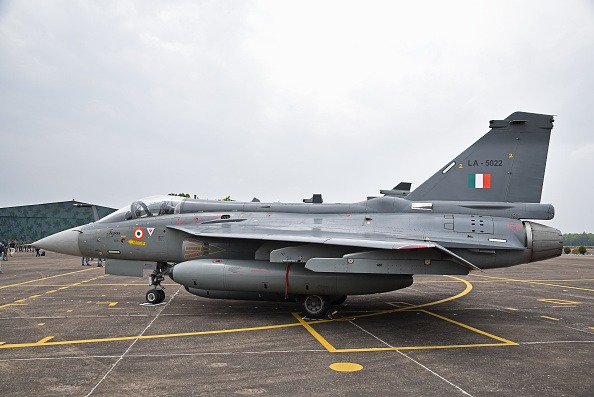
Introduction to the Trial
The Defence Research and Development Organisation (DRDO) has successfully conducted a high-altitude trial of the Integrated Life Support System (ILSS) designed for the Light Combat Aircraft (LCA) Tejas. This innovative system, developed by the DRDO’s Defence Bio-Engineering & Electro Medical Laboratory (DEBEL) in Bengaluru, is intended to ensure aircrew safety at high altitudes by generating and managing breathable oxygen in flight.
Features of the Integrated Life Support System (ILSS)
The ILSS utilizes an On-Board Oxygen Generating System (OBOGS), which eliminates the need for conventional liquid oxygen cylinders typically used in military aircraft. By generating oxygen from the air during flight, the system provides continuous oxygen supply to the pilots. This technology also makes the aircraft lighter and more fuel-efficient as there is no requirement for storing liquid oxygen.
High-Altitude Test Performance
The trial was conducted on the LCA-PV-3 aircraft, developed by Hindustan Aeronautics Limited (HAL) and the Aeronautical Development Agency (ADA). It was tested under conditions that simulated high-altitude flights up to 50,000 feet, a crucial altitude for combat missions. The system was evaluated for its performance under extreme conditions, including real-time oxygen generation, demand breathing, and during aerobatic maneuvers, and met all required parameters.
Certification and Manufacturing
The ILSS has passed rigorous testing and evaluation under stringent aero-medical standards and has received flight clearance from the Centre for Military Airworthiness & Certification (CEMILAC). The system’s development also boasts an impressive 90% indigenous content, a testament to India’s growing self-reliance in military technology. The manufacturing partner for this system is Larsen & Toubro (L&T).
Future Prospects and Broader Applications
This successful trial opens the door for the ILSS to be adopted by other aircraft, such as the MiG-29K. Additionally, the success of this system highlights the progress of India’s indigenous defense technologies and supports future aircraft development initiatives for the Indian Air Force and other defense services.
Integrated Life Support System for Tejas
B) Why This News is Important
Advancement in Indigenous Defense Technology
The successful high-altitude trial of the ILSS for Tejas aircraft by DRDO is a significant achievement for India’s defense capabilities. The development and testing of the ILSS represent a leap forward in self-reliance for India’s defense sector, particularly in the area of aviation safety and technology.
Impact on Pilot Safety and Combat Efficiency
With the ILSS, Indian fighter aircraft, particularly the Tejas, will be capable of handling high-altitude operations more effectively. The ability to generate oxygen on board, instead of relying on traditional liquid oxygen cylinders, enhances the safety and operational efficiency of pilots, especially during prolonged and high-altitude missions.
Encouragement for Indigenous Manufacturing
This successful trial also highlights India’s progress in manufacturing critical defense technologies domestically. With 90% indigenous content, the ILSS system not only improves India’s technological capabilities but also boosts its defense manufacturing industry, which is essential for long-term sustainability.
C) Historical Context
The Evolution of Airborne Life Support Systems
The development of life support systems in aircraft dates back to the early days of aviation, where pilots were dependent on external oxygen sources for high-altitude flights. Traditional systems relied heavily on liquid oxygen cylinders, which posed logistical challenges, especially in combat situations. Over time, advancements such as On-Board Oxygen Generating Systems (OBOGS) have revolutionized the way fighter jets operate at high altitudes.
India’s Push for Self-Reliance in Defense
India’s drive towards indigenizing defense technologies has gained momentum over the last few decades, particularly with initiatives like ‘Atmanirbhar Bharat’ (Self-Reliant India). The ILSS trial is a step towards reducing dependence on foreign suppliers for critical technologies, in line with India’s vision of becoming self-reliant in defense manufacturing.
The Tejas Aircraft Program
The Light Combat Aircraft Tejas, developed by the Aeronautical Development Agency (ADA) and produced by Hindustan Aeronautics Limited (HAL), is India’s flagship indigenous fighter jet program. Over the years, the Tejas has undergone extensive development, and the addition of an advanced life support system is another milestone in its evolution, ensuring it meets international standards.
5 Key Takeaways from DRDO Conducts High-Altitude Trial of Integrated Life Support System for Tejas Aircraft
| No. | Key Takeaway |
|---|---|
| 1 | The ILSS for Tejas is based on On-Board Oxygen Generating System (OBOGS), eliminating the need for liquid oxygen cylinders. |
| 2 | The system was successfully tested on the LCA-PV-3 aircraft at altitudes up to 50,000 feet. |
| 3 | The system passed all functional and medical standards, including real-time oxygen generation and aerobatic maneuvers. |
| 4 | Developed with 90% indigenous content, the system signifies India’s progress in self-reliant defense technology. |
| 5 | The ILSS can potentially be adopted for use in other aircraft, such as the MiG-29K, broadening its application. |
FAQs: Frequently Asked Questions Related to the Article
What is the Integrated Life Support System (ILSS) used for?
- Answer: The ILSS is used to provide continuous oxygen to pilots during high-altitude flights, ensuring their safety by eliminating the need for liquid oxygen cylinders.
Which aircraft was the ILSS tested on?
- Answer: The ILSS was tested on the LCA-PV-3, a version of the Light Combat Aircraft Tejas.
What altitude was simulated during the high-altitude trial of the ILSS?
- Answer: The ILSS was tested under conditions simulating altitudes up to 50,000 feet.
Which organization developed the ILSS for Tejas aircraft?
- Answer: The Integrated Life Support System was developed by the Defence Bio-Engineering & Electro Medical Laboratory (DEBEL), a division of DRDO.
What percentage of the ILSS is indigenously developed?
- Answer: The ILSS is developed with 90% indigenous content, highlighting India’s strides in self-reliance for defense technologies.
Some Important Current Affairs Links