







First Woman Chief Minister of Delhi: Leadership, Legacy & Political Impact
Delhi, India’s vibrant capital, has witnessed significant political milestones, notably the leadership of women who have shaped its governance. Sushma Swaraj, a prominent figure in Indian politics, holds the distinction of being Delhi’s first woman Chief Minister. Her brief yet impactful tenure paved the way for future female leaders in the region.
Sushma Swaraj: Breaking Political Barriers
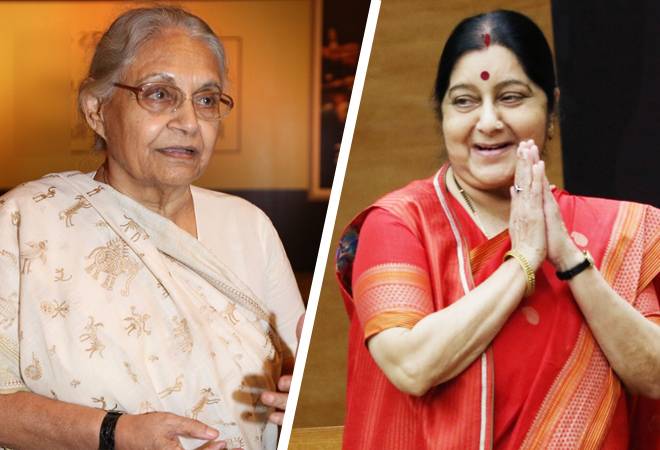
In October 1998, Sushma Swaraj assumed the role of Delhi’s Chief Minister, marking a historic moment as the first woman to hold this position. A senior leader of the Bharatiya Janata Party (BJP), Swaraj’s appointment came during a challenging period marked by economic concerns, including a sharp rise in onion prices that led to her predecessor’s resignation. Despite her tenure lasting only 51 days, from October 13 to December 3, 1998, Swaraj focused on critical issues such as education reform and women’s empowerment. Her leadership style and dedication left an indelible mark on Delhi’s political landscape.
Sheila Dikshit: A Legacy of Development
Following Swaraj, Sheila Dikshit of the Indian National Congress became Delhi’s second woman Chief Minister in December 1998. Her leadership spanned 15 years, during which she initiated numerous infrastructure projects and urban development programs, transforming Delhi into a modern metropolis. Dikshit’s tenure is often credited with significant improvements in public transportation, including the expansion of the Delhi Metro, and various environmental initiatives aimed at reducing pollution.
Rekha Gupta: Continuing the Tradition
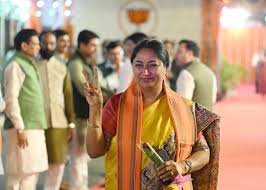
In February 2025, Rekha Gupta, a seasoned BJP leader, was appointed as Delhi’s Chief Minister, becoming the fourth woman to hold this esteemed position. Her rise to leadership reflects the growing acceptance and encouragement of female participation in Indian politics. Gupta’s agenda focuses on addressing pressing urban issues such as air pollution, infrastructure development, and enhancing public services. Her leadership signifies a continued commitment to empowering women in governance and public administration.
Why This News Is Important
The appointment of women to the highest political office in Delhi underscores the progressive shift towards gender inclusivity in Indian politics. For aspirants of government examinations, understanding these developments is crucial, as they reflect broader societal changes and policy directions. The leadership styles and policy initiatives of these women provide case studies in effective governance, crisis management, and public administration. Moreover, their tenures offer insights into the challenges and opportunities faced by women in politics, enriching the discourse on gender and leadership in India.
Historical Context
Delhi’s political history has been predominantly male-dominated. The emergence of female Chief Ministers marks a significant departure from traditional norms, highlighting the evolving role of women in Indian society. Sushma Swaraj’s brief tenure in 1998 was a groundbreaking event, challenging gender stereotypes and setting a precedent for future female leaders. Sheila Dikshit’s subsequent 15-year leadership further solidified the role of women in Delhi’s political arena, demonstrating that effective governance transcends gender biases. Rekha Gupta’s recent appointment continues this legacy, reflecting ongoing efforts to promote gender equality in political representation.
Key Takeaways from the Rise of Women Chief Ministers in Delhi
| S.No. | Key Takeaway |
|---|---|
| 1 | Sushma Swaraj became Delhi’s first woman Chief Minister in 1998. |
| 2 | Sheila Dikshit served as Chief Minister for 15 years, initiating major urban development projects. |
| 3 | Rekha Gupta’s appointment in 2025 marks the fourth female leadership in Delhi’s history. |
| 4 | Women’s leadership in Delhi reflects a progressive shift towards gender inclusivity in politics. |
| 5 | These tenures offer valuable insights into governance, policy-making, and women’s roles in politics. |
Important FAQs for Students from this News
Who was the first woman Chief Minister of Delhi?
Sushma Swaraj was the first woman to hold the position, serving a brief tenure in 1998.
How long did Sheila Dikshit serve as Delhi’s Chief Minister?
Sheila Dikshit served for 15 years, from 1998 to 2013, making her one of the longest-serving Chief Ministers of Delhi.
What are some significant contributions of Rekha Gupta as Chief Minister?
Appointed in 2025, Rekha Gupta has focused on addressing air pollution, improving infrastructure, and enhancing public services in Delhi.
How has women’s leadership impacted Delhi’s development?
Female Chief Ministers have initiated key policies in education, urban development, and environmental sustainability, contributing to Delhi’s modernization.
Why is it important to study the tenures of Delhi’s women Chief Ministers for government exams?
Understanding their leadership provides insights into governance challenges, policy-making processes, and the evolving role of women in Indian politics, which are pertinent topics in competitive examinations.
Some Important Current Affairs Links