









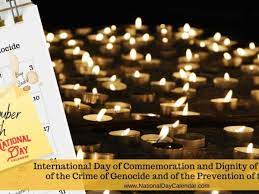
International Day of Commemoration and Dignity of the Victims of the Crime of Genocide
The International Day of Commemoration and Dignity of the Victims of the Crime of Genocide is observed annually on December 9th. This day holds significant importance globally, serving as a solemn reminder of the atrocities committed against individuals during instances of genocide. The commemoration not only pays homage to the victims but also strives to raise awareness about the heinous nature of genocide, promoting a deeper understanding of its impact on societies and the importance of preventing such occurrences in the future.
Historically, the United Nations General Assembly designated December 9th as the International Day of Commemoration and Dignity of the Victims of the Crime of Genocide to coincide with the anniversary of the adoption of the Convention on the Prevention and Punishment of the Crime of Genocide in 1948. This convention holds immense significance as it defined genocide as a crime under international law and outlined measures for its prevention and punishment.
Why this News is Important:
Promoting Awareness and Education Observing this day helps in educating future generations about the devastating consequences of genocide. It encourages societies to reflect on the past and actively engage in dialogue and education to prevent the recurrence of such tragic events.
Recognition of Victims’ Suffering It stands as a tribute to the victims of genocide, ensuring that their suffering and sacrifices are remembered and acknowledged on a global scale. This commemoration fosters empathy and solidarity with affected communities worldwide.
Historical Context:
The International Day of Commemoration and Dignity of the Victims of the Crime of Genocide was established by the United Nations General Assembly in 2015. This significant day was designated to coincide with the anniversary of the adoption of the Convention on the Prevention and Punishment of the Crime of Genocide on December 9, 1948.
Key Takeaways from “International Day of Commemoration and Dignity of the Victims of the Crime of Genocide”
| Serial Number | Key Takeaway |
|---|---|
| 1. | Observes the anniversary of the Convention on the Prevention and Punishment of the Crime of Genocide. |
| 2. | Aims to raise awareness about the impact of genocide on societies globally. |
| 3. | Encourages education and dialogue to prevent future occurrences of genocide. |
| 4. | Honors the victims and emphasizes the importance of remembrance and recognition. |
| 5. | Stresses the need for fostering peace, tolerance, and mutual respect in society. |
Important FAQs for Students from this News
1. What is the significance of observing the International Day of Commemoration and Dignity of the Victims of the Crime of Genocide?
- The day holds immense importance in honoring the victims of genocide and raising awareness about the impact of such atrocities on societies globally. It emphasizes the need for prevention and punishment of genocide.
2. Why was December 9th chosen for this observance?
- December 9th marks the anniversary of the adoption of the Convention on the Prevention and Punishment of the Crime of Genocide by the United Nations General Assembly in 1948, signifying its historical relevance.
3. How does the commemoration aim to prevent future instances of genocide?
- By promoting education, dialogue, and remembrance, the commemoration strives to create awareness, empathy, and understanding among people to prevent the recurrence of genocidal acts.
4. What role does the Convention on the Prevention and Punishment of the Crime of Genocide play in this observance?
- The convention, adopted in 1948, defined genocide as a crime under international law and outlined measures for its prevention and punishment, forming the basis for this observance.
5. How can individuals contribute to honoring the victims and preventing future genocides?
- Individuals can contribute by spreading awareness, participating in educational initiatives, advocating for human rights, and supporting efforts that promote peace, tolerance, and mutual respect among communities.
Some Important Current Affairs Links