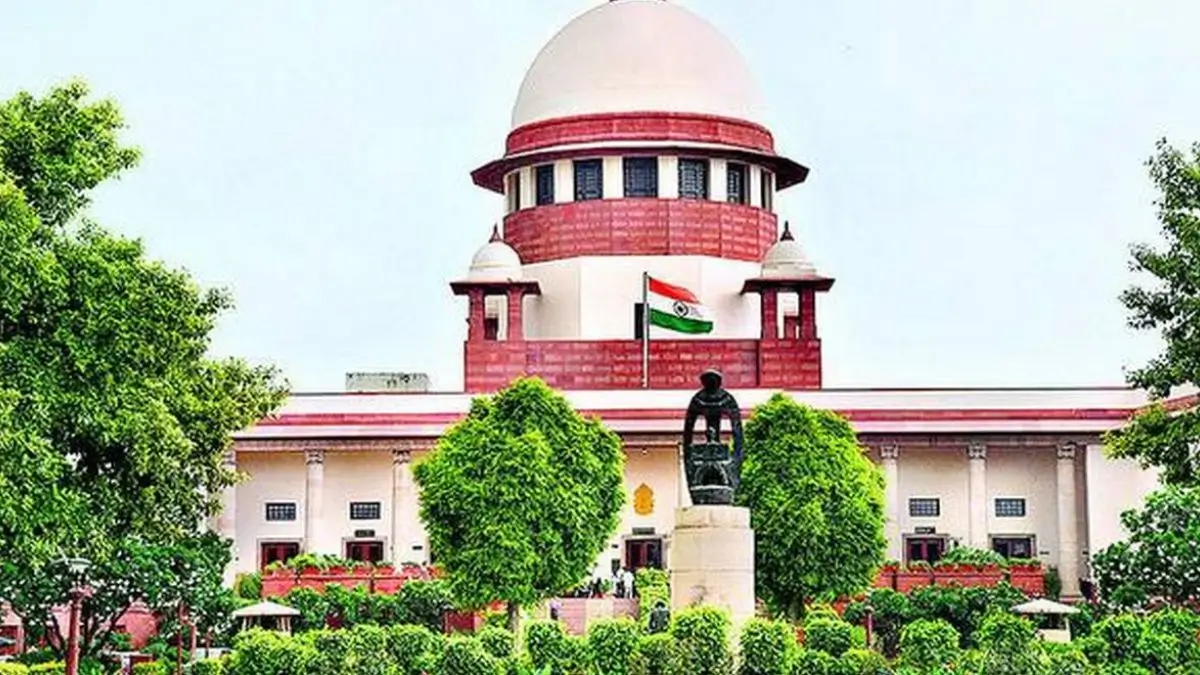










Justice Surya Kant CJI appointed as the 53rd Chief Justice of India. Read about his oath ceremony, priorities, judicial career, and significance for India’s legal system.
Justice Surya Kant Sworn in as the 53rd Chief Justice of India
On 24 November 2025, Justice Surya Kant formally assumed office as the 53rd Chief Justice of India (CJI), taking the oath at the Rashtrapati Bhavan from the Draupadi Murmu. This appointment marks a pivotal moment in India’s judicial system given his substantial legal experience and stated judicial priorities.
The Oath‑Taking Ceremony
The swearing‑in ceremony was held with due solemnity and attended by top dignitaries including the Vice‑President C.P. Radhakrishnan, Prime Minister Narendra Modi and other senior officials.Justice Surya Kant took the oath in Hindi invoking the name of God, signifying the official start of his tenure.
A Journey from Hisar to the Supreme Court
Born on 10 February 1962 in Hisar, Haryana, Justice Surya Kant began his legal career as an advocate in the state before rising through the ranks. He served as a judge of the Punjab & Haryana High Court, then became Chief Justice of the Himachal Pradesh High Court in 2018, and was elevated to the Supreme Court of India on 24 May 2019. His educational credentials include an LL.M from Kurukshetra University where he was first‑class first.
Judicial Vision and Priorities
As CJI, Justice Surya Kant has set forth several key priorities for his term, including:
- Reducing case pendency by strengthening lower courts and speeding up disposal of matters.
- Reviving Constitution Benches that deal with major constitutional questions (5‑, 7‑ or 9‑judge benches).
- Promoting mediation and Alternate Dispute Resolution (ADR) to relieve pressure on courts.
- Embracing technological innovation (digital case management, possible use of AI) while preserving the human element of justice.
- Emphasising access to justice, especially for vulnerable groups, reinforcing equality and sensitivity in judicial delivery.
Significance for India’s Judiciary
This appointment signals continuity and reform in India’s highest judiciary. Justice Surya Kant brings to the office deep constitutional expertise, having been part of landmark matters including the abrogation of Article 370, Pegasus‑spyware investigations, and major electoral roll issues. With his term set to last until 9 February 2027, he will steer the Supreme Court at a time when India’s socio‑legal environment is evolving rapidly.

Why This News Is Important
Impact on the Judicial System
The swearing‑in of Justice Surya Kant as the 53rd Chief Justice of India is important because the leadership of the Supreme Court directly influences the pace, priorities and public trust in the nation’s judiciary. A Chief Justice’s agenda determines how efficiently justice is delivered, how fundamental rights are safeguarded and how the court responds to new challenges like technology in law.
Relevance for Aspirants & Governance
For students preparing for government exams (teachers, police, banking, railways, civil services such as PSCS to IAS), this news is critical because it reflects changes at the highest judicial level. Knowing about the CJI, his background, his priorities and his term helps in understanding constitutional governance, separation of powers, and the judiciary’s role in India’s democracy. It may also be a topic of static knowledge or current affairs questions.
Historical Context
The office of Chief Justice of India has been pivotal ever since the Supreme Court of India was established in 1950. Each CJI brings his or her own approach to case management, constitutional interpretation and judicial reforms. With nearly 15 months in office (from November 2025 to February 2027), Justice Surya Kant steps in during a period of evolving judicial demands: heavy pendency, increased reliance on technology, and greater scrutiny on access to justice. His appointment follows a tradition of seniority in the Supreme Court, while also emphasising reform and modernisation in judicial processes. His journey from state‑level High Court to the Supreme Court mirrors the broader evolution of India’s judiciary — from colonial‑era legacies to contemporary challenges of constitutional governance in a digital age.
Key Takeaways from This News
| S.No | Key Takeaway |
|---|---|
| 1 | Justice Surya Kant became the 53rd Chief Justice of India on 24 November 2025. |
| 2 | His term will run until 9 February 2027, giving approximately 15 months in office. |
| 3 | His priorities include reducing pendency, reviving Constitution Benches, embracing tech in judiciary, promoting ADR, and improving access to justice. |
| 4 | He began his career in Hisar, Haryana, studied LL.M at Kurukshetra University (first‑class first), served as Chief Justice of Himachal Pradesh High Court and was elevated to Supreme Court in May 2019. |
| 5 | His appointment reflects a continuity of constitutional interpretation and institutional reform; his leadership is significant for students and aspirants studying the judiciary and governance. |
FAQs: Frequently Asked Questions
1. Who is the 53rd Chief Justice of India?
Justice Surya Kant became the 53rd Chief Justice of India on 24 November 2025.
2. When did Justice Surya Kant take oath as CJI?
He took oath on 24 November 2025 at the Rashtrapati Bhavan.
3. What is the tenure of Justice Surya Kant as CJI?
His tenure will continue until 9 February 2027.
4. What are the key priorities of Justice Surya Kant as CJI?
His priorities include reducing case pendency, reviving Constitution Benches, promoting mediation and ADR, implementing technological innovations in courts, and improving access to justice.
5. Which High Courts did Justice Surya Kant serve in before joining the Supreme Court?
He served in Punjab & Haryana High Court and was Chief Justice of Himachal Pradesh High Court.
6. What is the educational background of Justice Surya Kant?
He holds an LL.M degree from Kurukshetra University and was first-class first in his studies.
7. Why is the appointment of CJI important for civil service aspirants?
The CJI leads the judiciary, which interprets the Constitution and impacts governance. Knowledge about the CJI is often asked in government exams.
8. What significant cases has Justice Surya Kant been part of?
He has been involved in cases related to Article 370 abrogation, Pegasus investigation, and major electoral roll issues.
9. Where was Justice Surya Kant born?
He was born in Hisar, Haryana, on 10 February 1962.
10. How does the CJI impact India’s legal system?
The CJI influences judicial priorities, case management, reforms, and ensures timely and fair delivery of justice across the country.
Some Important Current Affairs Links