





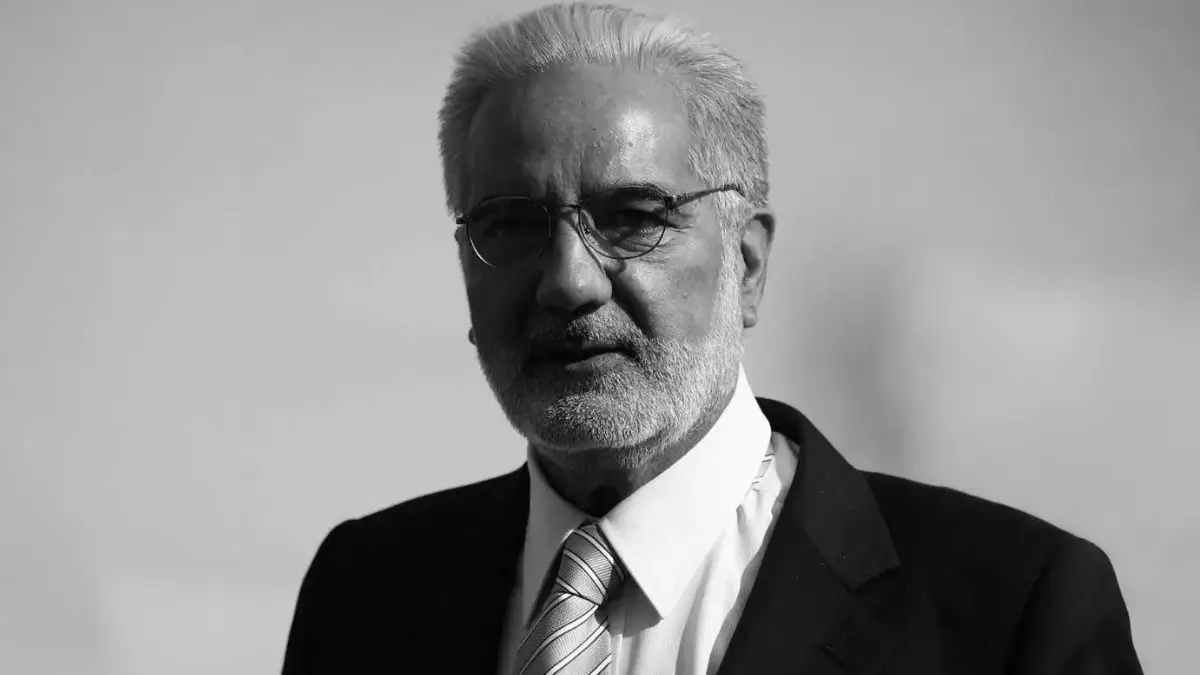
Inderjit Singh Bindra death news: Former BCCI President and Punjab Cricket Association leader passes away at 84. Learn about his contributions to Indian cricket administration, World Cups, and cricket governance reforms.
Former BCCI President Inderjit Singh Bindra Passes Away at 84
Inderjit Singh Bindra, one of Indian cricket’s most influential administrators and a former President of the Board of Control for Cricket in India (BCCI), passed away in New Delhi at the age of 84. Bindra’s death marks the end of an era in Indian cricket administration and has prompted tributes from cricket officials and fans alike.
A Visionary Leader in Indian Cricket Administration
Bindra’s career in cricket administration spanned several decades, during which he played a pivotal role in transforming the governance and commercial structure of the sport in India. He served as the President of the BCCI from 1993 to 1996, a period that saw key developments in the professionalisation of cricket management and marketing.
Beyond national-level leadership, Bindra held the presidency of the Punjab Cricket Association (PCA) for an extraordinary 36 years, from 1978 to 2014. His leadership not only strengthened regional cricket infrastructure but also contributed significantly to India’s rise as a global cricket powerhouse.
Transforming Cricket Marketing and Broadcasting
One of Bindra’s most lasting legacies was his visionary approach to cricket broadcasting and commercialisation in India. Alongside key figures like N. K. P. Salve and Jagmohan Dalmiya, he was instrumental in bringing the 1987 ICC Cricket World Cup to the Indian subcontinent — the first time the tournament was hosted outside England. This event opened the doors to modern cricket marketing and lucrative TV broadcast deals, reshaping how the sport was viewed and consumed across India and the world.
Bindra also fought legal battles to break broadcasting monopolies, paving the way for private broadcasters and expansion of the Indian television market in the 1990s.
Legacy and Institutional Recognition
In honour of his contributions, the PCA Stadium in Mohali was renamed the I.S. Bindra Stadium in 2015. Under his guidance, this venue has hosted many memorable cricket matches, including high-stakes World Cup and international fixtures. His role as a principal adviser to the International Cricket Council (ICC) further underlines his influence on the global game.
Bindra is survived by his children, a son and a daughter, who will carry forward his legacy in Indian sports circles.

Why This News Is Important for Government Exam Aspirants
Relevance to Current Affairs & Competitive Exams
The passing of Inderjit Singh Bindra is significant for students preparing for competitive exams because it highlights the contributions of an eminent sports administrator to India’s global sporting profile. Questions in general awareness sections often revolve around personalities who have shaped India’s presence in international arenas — including sports governance and institutional reforms.
Understanding Administrative Impact in Indian Sports
Bindra’s role was not limited to Indian cricket; he influenced policy, legal frameworks, and commercial strategies that had a far-reaching impact on the sports industry. For aspirants, understanding such contributions offers insights into how governance works in quasi-governmental bodies like sports boards, which often intersect with public policy and national representation.
Contextualizing Leadership and Institutional Legacy
Recognising senior administrators like Bindra helps exam takers appreciate the evolution of systems — from monopolistic broadcast rights to modern media strategies. His legal initiatives and administrative reforms serve as case studies in leadership, institutional change, and strategic vision, which are common themes in essay and interview rounds of civil service exams.
Historical Context: Background of Inderjit Singh Bindra’s Legacy
Early Involvement in Cricket Administration
Inderjit Singh Bindra’s association with cricket began in the mid-1970s. He transitioned from a bureaucratic background into sports administration, quickly rising through the ranks due to his organisational skills and leadership qualities. His early work focused on developing regional cricket foundations, especially in Punjab.
Punjab Cricket Association and Infrastructure Building
Bindra became President of the Punjab Cricket Association (PCA) in 1978. For more than three decades, he focused on infrastructure development, grassroots programs, and regional talent promotion. Under his tenure, the PCA became one of the most respected state cricket bodies in India.
BCCI Presidency and International Influence
In 1993, Bindra ascended to the role of BCCI President. In this capacity, he worked with contemporaries like N. K. P. Salve and Jagmohan Dalmiya to bring ICC Cricket World Cup editions (1987 and 1996) to the Indian subcontinent. These moves were milestones in breaking traditional hosting norms and expanding cricket’s global commercial reach.
Commercialisation and Legal Battles
Bindra’s efforts to deregulate cricket broadcasting rights were groundbreaking. By challenging monopolies and advocating for private broadcasters, he helped make cricket’s media ecosystem one of the strongest in the world.
Retirement and Continuing Influence
Even after retiring from active administration in 2014, Bindra remained involved as an adviser to the ICC, helping guide international cricket policies and strategies.
Key Takeaways from “Passing of Inderjit Singh Bindra”
| S.No. | Key Takeaway |
|---|---|
| 1 | Inderjit Singh Bindra, former BCCI President, passed away at the age of 84. |
| 2 | He served as BCCI President from 1993 to 1996. |
| 3 | Bindra was also President of the Punjab Cricket Association from 1978 to 2014. |
| 4 | He played a key role in bringing the 1987 and 1996 ICC Cricket World Cups to India. |
| 5 | The PCA Stadium in Mohali was renamed I.S. Bindra Stadium in his honour. |
FAQs: Frequently Asked Questions
1. Who was Inderjit Singh Bindra?
Inderjit Singh Bindra was a prominent Indian cricket administrator who served as the President of the Board of Control for Cricket in India (BCCI) from 1993 to 1996 and also led the Punjab Cricket Association for 36 years.
2. When did Inderjit Singh Bindra pass away?
He passed away in New Delhi at the age of 84.
3. What were Bindra’s major contributions to Indian cricket?
Bindra was instrumental in bringing the 1987 and 1996 ICC Cricket World Cups to India, modernising cricket broadcasting and marketing, and strengthening cricket infrastructure in Punjab.
4. Which stadium was named after Inderjit Singh Bindra?
The Punjab Cricket Association Stadium in Mohali was renamed as the I.S. Bindra Stadium in 2015 in his honour.
5. How long did Bindra serve as the President of the Punjab Cricket Association?
He served as PCA President from 1978 to 2014, a total of 36 years.
6. What was Bindra’s role in international cricket governance?
He acted as an adviser to the International Cricket Council (ICC), contributing to policy-making and global cricket strategies.
7. Why is Inderjit Singh Bindra important for government exam aspirants?
Bindra’s contributions are significant in general awareness, sports governance, and leadership studies, which are commonly asked in civil service, banking, and state PSC exams.
8. Which World Cup did Bindra help bring to India for the first time outside England?
The 1987 ICC Cricket World Cup was the first edition hosted outside England, with Bindra playing a key role.
9. Did Bindra contribute to cricket commercialization in India?
Yes, he played a major role in deregulating broadcasting rights and promoting private broadcasting of cricket in India.
10. Who survived Bindra after his death?
He is survived by his son and daughter.
Some Important Current Affairs Links