





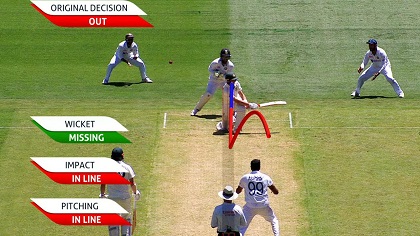
Understanding DRS in Cricket – A Game-Changer in Decision-Making
In the fast-paced world of cricket, where every ball can make or break a match, technology has played a significant role in ensuring fair play. One of the key advancements in this regard is the Decision Review System (DRS), a tool that has transformed the way umpires make decisions and has sparked debates among cricket enthusiasts. Let’s delve into the importance, historical context, and key takeaways of DRS in cricket.
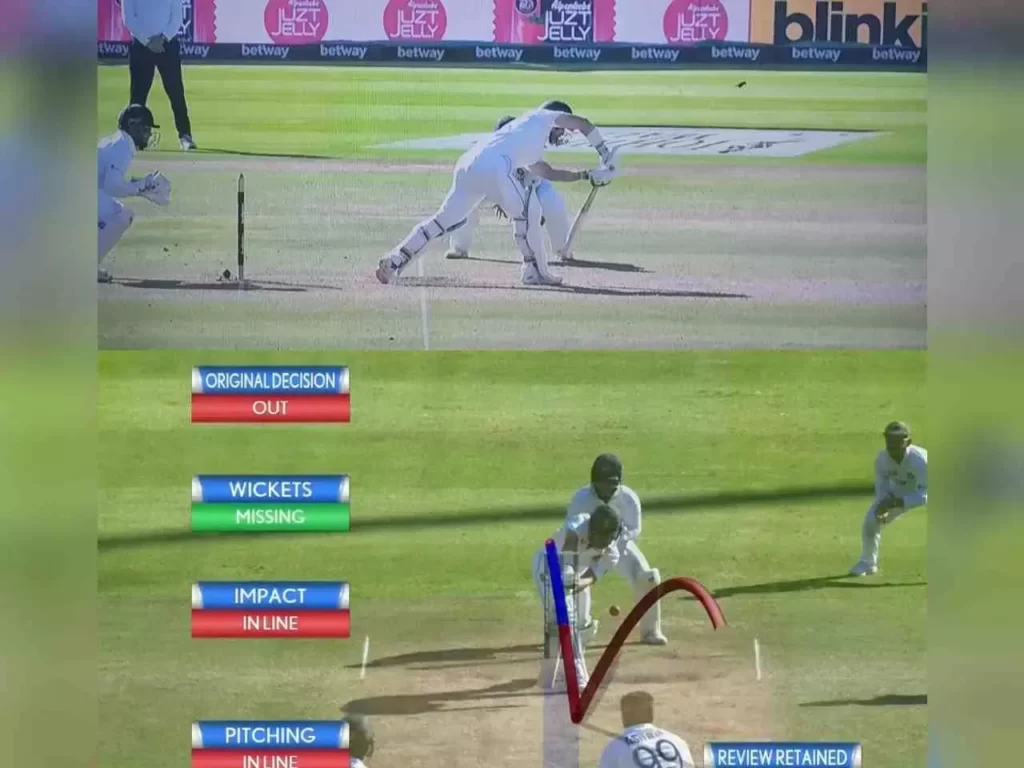
Why DRS Matters
1. Enhanced Decision Accuracy: DRS was introduced to minimize human errors in decision-making. It employs technology like ball-tracking and snickometer to provide more precise decisions on various aspects of a delivery, including LBW appeals, edges, and ball tracking.
2. Fair Play: In a sport where a single decision can sway the outcome of a match, DRS promotes fairness. Players have the right to challenge decisions they find questionable, which levels the playing field.
Historical Context
The idea of using technology in cricket decisions dates back to the early 2000s. Initially, it was met with resistance, but it gained traction over time. The first major tournament to implement DRS was the 2008-09 Test series between India and Sri Lanka. Since then, it has been a crucial part of international cricket.
Key Takeaways from DRS in Cricket
| Serial Number | Key Takeaway |
|---|---|
| 1. | DRS uses ball-tracking technology to assist in LBW decisions, ensuring more accurate outcomes. |
| 2. | Players have a limited number of reviews per innings, adding a strategic element to its usage. |
| 3. | Snickometer and hotspot technology are also used to determine edges and ball contact, reducing controversy. |
| 4. | DRS has improved the standard of umpiring by providing them with valuable tools to make more precise decisions. |
| 5. | It has contributed to making the game of cricket fairer and reducing the impact of incorrect decisions on match outcomes. |
Important FAQs for Students from this News
Q1: What is DRS in cricket?
A1: DRS stands for Decision Review System. It’s a technology-based tool used in cricket to review on-field decisions made by the umpires.
Q2: How does DRS work?
A2: DRS employs ball-tracking technology, snickometer, and hotspot to provide more accurate decisions. Players can challenge umpire decisions, and the technology aids in reviewing LBW appeals, edges, and ball tracking.
Q3: When and where was DRS first introduced?
A3: DRS was first introduced in the 2008-09 Test series between India and Sri Lanka. Since then, it has become a standard feature in international cricket.
Q4: How many reviews do teams get in an innings?
A4: Each team gets a limited number of reviews per innings. The number may vary in different formats of the game.
Q5: Has DRS improved the quality of umpiring in cricket?
A5: Yes, DRS has played a pivotal role in enhancing the standard of umpiring by providing tools to make more precise decisions.
Some Important Current Affairs Links