








DU JAIHIND scheme empowers Scheduled Tribe students with digital skills and CUET preparation, bridging the education gap through inclusive training and financial guidance.
DU Launches JAIHIND Scheme to Empower ST Students with Digital & Higher-Ed Skills
New Delhi – On June 18, 2025, Delhi University (DU) inaugurated the JAIHIND (Janajati Immersive Holistic Intervention for Novel Development) scheme. This initiative aims to uplift Scheduled Tribe (ST) students from remote regions by enhancing their digital abilities and preparing them for higher education, including the CUET (Common University Entrance Test)
Scheme Overview and Objectives
The first cohort includes 25 meritorious students—13 boys and 12 girls—from the Tangkhul Naga tribe of Ukhrul district, Manipur. Spanning June 17–29, 2025, the two-week module offers practical training in digital skills, academic orientation, and career-focused coaching
Key Stakeholders and Launch Ceremony
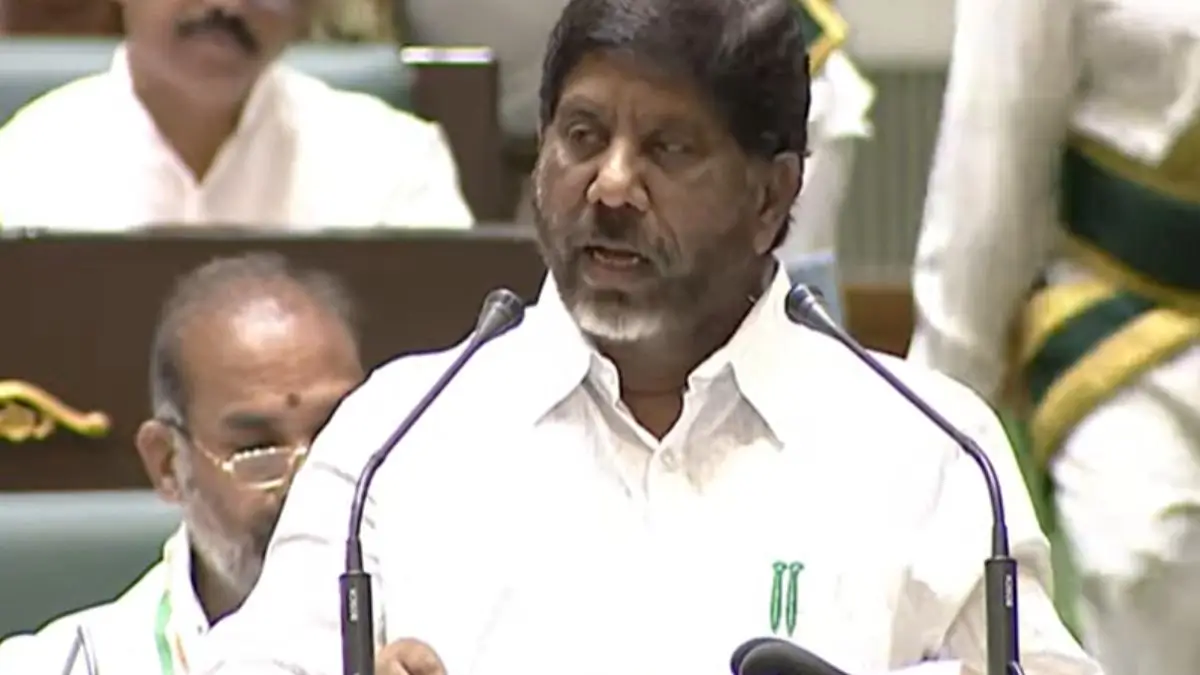
The launch event featured DU Vice‑Chancellor Prof. Yogesh Singh and the Hon’ble Secretary of Education, Vineet Joshi, as chief guest. Joshi described the initiative as a “golden opportunity” for students to gain exposure to Delhi University’s academic environment
Skill Development Customized for Tribal Areas
The curriculum is specifically designed to match local needs. For example, students learn artificial, container-based pisciculture and fish feed production—techniques particularly suited for hilly regions lacking natural water sources
Financial Aid and Future Prospects
Students were also informed about the Pradhan Mantri Vidyalakshmi Yojana, offering financial assistance to academically talented yet economically disadvantaged youth pursuing higher education
Long-Term Goals
The core aim of JAIHIND is to bridge educational and technological disparities faced by ST students, empowering them to compete for university admissions and achieve livelihood sustainability in a rapidly digitalizing world

Why This News Is Important
Educational Equity & Access
This initiative directly addresses the skewed representation of ST students in higher education. By focusing on digital literacy and CUET preparation, DU is actively reducing barriers that tribal youth often face.
Skill-Driven Learning for Marginalized Populations
Integrating specialized skills like container pisciculture tailors learning to real-world needs. This approach ensures practicality, relevance, and potential economic viability in students’ home regions.
Strengthening National Schemes & Policies
Linking the program to broader frameworks like the Pradhan Mantri Vidyalakshmi Yojana encourages systemic support—both financial and institutional—for disadvantaged students.
Model for Other Institutions
JAIHIND sets a benchmark for how universities can strategically foster inclusion and upliftment. It may inspire replication nationwide—especially in regions with significant tribal populations.
Historical Context
Educational Exclusion of Tribal Communities
Historically, tribal communities in India have faced educational marginalization due to geographic remoteness, resource constraints, and infrastructural deficits. Government reports over decades have highlighted low literacy rates and underrepresentation in higher education among ST groups.
Policy Initiatives Towards Inclusion
Various schemes like Eklavya Model Residential Schools and Pre Matric/Post Matric Scholarships have aimed to close the educational divide. Yet, the digital learning revolution and entrance exam patterns like CUET demanded adaptive strategies—enter initiatives such as JAIHIND, emphasizing digital readiness alongside academic coaching.
Academic Empowerment & Cultural Sensitivity
Notably, JAIHIND’s design—incorporating region-specific livelihoods—follows the tradition of integrating local culture and economy into education. Such culturally sensitive pedagogy has historically proven more effective in tribal education.
Key Takeaways from JAIHIND Scheme
| S.No | Key Takeaway |
|---|---|
| 1 | Launch Date & Name: JAIHIND (Janajati Immersive Holistic Intervention for Novel Development) launched on June 18, 2025. |
| 2 | Participants: 25 meritorious ST students (13 boys, 12 girls) from Tangkhul Naga tribe, classes 9–12. |
| 3 | Curriculum Focus: Practical digital skills, CUET orientation, and regionally relevant training like container pisciculture. |
| 4 | Institution & Officials: Initiated by Delhi University with high-level support from DU’s VC and Education Secretary Vineet Joshi. |
| 5 | Support Scheme: Includes access to PM Vidyalakshmi Yojana for financial aid to economically disadvantaged but academically talented students. |
FAQs: Frequently Asked Questions
1. What is the full form of JAIHIND in the context of DU’s new scheme?
JAIHIND stands for Janajati Immersive Holistic Intervention for Novel Development.
2. Who are the primary beneficiaries of the JAIHIND scheme launched by Delhi University?
The scheme targets Scheduled Tribe (ST) students from remote and underrepresented regions, with the first batch being from the Tangkhul Naga tribe of Manipur.
3. What is the duration of the first training module under the JAIHIND scheme?
The first training module runs from June 17 to June 29, 2025.
4. What specific skill training is being provided under the JAIHIND scheme?
Students are trained in digital skills, CUET preparation, and practical livelihood techniques such as artificial pisciculture using container-based systems.
5. How is the Pradhan Mantri Vidyalakshmi Yojana related to the JAIHIND scheme?
Students were informed about the scheme as a means to secure financial support for pursuing higher education.
Some Important Current Affairs Links