
Namo Bharat Diwas: Celebrating One Year of India’s First RRTS Operations
Introduction to Namo Bharat Diwas
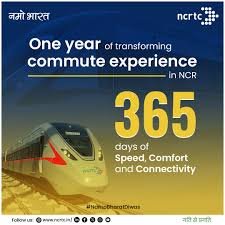
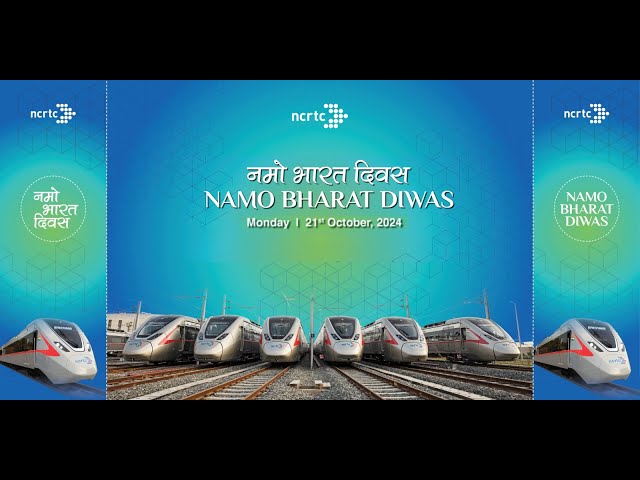
On October 19, 2024, India marked a significant milestone with the celebration of Namo Bharat Diwas, commemorating one year since the launch of the Regional Rapid Transit System (RRTS) operations. This event signifies a pivotal moment in India’s urban transportation landscape, representing a leap towards enhanced connectivity and sustainable commuting solutions for millions.
Overview of RRTS Operations
The RRTS is India’s first semi-high-speed rail network, designed to reduce travel time significantly across various regions. The inaugural service, which began operations last year, connects Delhi to Meerut, covering a distance of approximately 82 kilometers. The RRTS is equipped with advanced technology, including automatic train operation and modern safety features, making it a game-changer for urban transit.
Impact on Commuters and Environment
The implementation of RRTS has drastically improved commuting experience for daily passengers. With the ability to travel at speeds up to 180 km/h, it has cut down travel time between major urban centers. Moreover, RRTS is an eco-friendly alternative to road transport, contributing to reduced traffic congestion and lower greenhouse gas emissions. The initiative aligns with India’s commitment to sustainable development and combating climate change.
Government’s Vision and Future Plans
The Indian government envisions expanding the RRTS network, with additional corridors planned to enhance connectivity across other major cities. This expansion is expected to further alleviate congestion in urban areas and promote the use of public transportation, thereby fostering economic growth and urban development. The government aims to integrate RRTS with existing metro networks for a seamless travel experience.
Why This News is Important
Revolutionizing Urban Transportation
The introduction of the RRTS marks a transformative shift in India’s approach to urban transportation. By providing a faster, more efficient alternative to traditional commuting methods, it addresses the growing challenges of urban mobility in densely populated cities. The initiative not only alleviates congestion but also promotes sustainable travel options, making it a vital component of the nation’s transport infrastructure.
Economic and Environmental Benefits
RRTS operations contribute to significant economic benefits by enhancing access to employment centers and reducing travel costs for commuters. Additionally, the shift towards electric trains minimizes reliance on fossil fuels, aligning with global environmental standards. The focus on sustainability through RRTS operations is crucial for India’s long-term ecological goals.
Alignment with National Policies
The celebration of Namo Bharat Diwas highlights the government’s commitment to enhancing urban infrastructure under initiatives like the National Urban Transport Policy. The success of RRTS is a testament to effective policy implementation and serves as a model for future transportation projects across the country.
Historical Context
The Birth of RRTS
The concept of the RRTS was introduced in 2015 as part of India’s National Infrastructure Pipeline, aiming to bolster urban transport networks. This project is a response to the rapid urbanization and population growth in metropolitan areas, which have strained existing transportation systems. The first operational line, connecting Delhi and Meerut, was constructed over several years, culminating in its launch in October 2023.
International Examples and Influence
India’s RRTS draws inspiration from successful rapid transit systems worldwide, such as Japan’s Shinkansen and France’s TGV. These systems have demonstrated the benefits of high-speed rail networks in improving connectivity, economic growth, and environmental sustainability, paving the way for India to adopt similar models tailored to its unique urban challenges.
Key Takeaways from “Namo Bharat Diwas: Celebrating One Year of India’s First RRTS Operations”
| Serial No. | Key Takeaway |
|---|---|
| 1 | Namo Bharat Diwas celebrated one year of RRTS operations. |
| 2 | The RRTS connects Delhi to Meerut, covering 82 kilometers. |
| 3 | Trains can operate at speeds up to 180 km/h, reducing travel time. |
| 4 | RRTS promotes sustainable transportation and reduces emissions. |
| 5 | The government plans to expand the RRTS network further. |
Important FAQs for Students from this News
1. What is Namo Bharat Diwas?
Namo Bharat Diwas is a celebration marking the first anniversary of India’s Regional Rapid Transit System (RRTS) operations, which began on October 19, 2023.
2. What cities are connected by the RRTS?
The RRTS currently connects Delhi and Meerut, covering a distance of approximately 82 kilometers.
3. How fast can RRTS trains operate?
RRTS trains can operate at speeds of up to 180 km/h, significantly reducing travel times between major urban centers.
4. What are the environmental benefits of the RRTS?
The RRTS is designed to be an eco-friendly transportation alternative, reducing traffic congestion and lowering greenhouse gas emissions by promoting electric train usage.
5. What future plans does the government have for the RRTS?
The Indian government plans to expand the RRTS network by introducing additional corridors to enhance connectivity across other major cities in India.
Some Important Current Affairs Links