









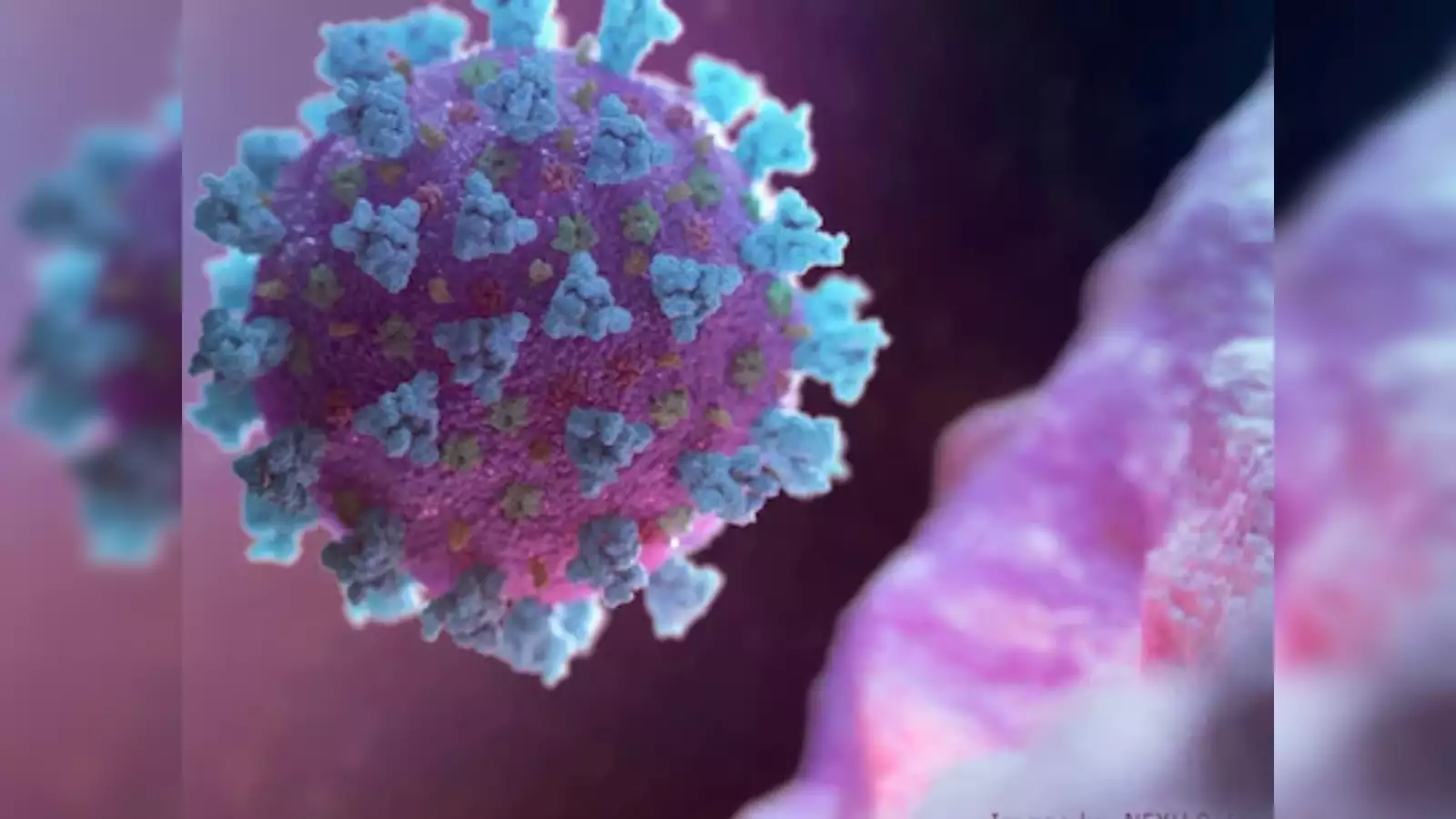
Discovery of New Bat Coronavirus HKU5-CoV-2 in China
Identification of HKU5-CoV-2
Chinese researchers have recently identified a novel bat coronavirus named HKU5-CoV-2. This virus was discovered by a team led by virologist Shi Zhengli at the Wuhan Institute of Virology. HKU5-CoV-2 belongs to the merbecovirus subgenus, which also includes the Middle East Respiratory Syndrome (MERS) virus. Laboratory studies have demonstrated that HKU5-CoV-2 can bind to the human ACE2 receptor, the same entry point utilized by SARS-CoV-2, the virus responsible for COVID-19. However, its binding efficiency is lower compared to SARS-CoV-2, suggesting a reduced potential for widespread human transmission.
Potential Public Health Implications
The discovery of HKU5-CoV-2 underscores the ongoing risk of zoonotic spillover events, where viruses jump from animals to humans. While HKU5-CoV-2 has not been detected in humans, its ability to infect human cells in vitro raises concerns about potential future outbreaks. Experts emphasize the importance of continuous monitoring and surveillance of bat populations to identify and mitigate emerging viral threats before they can affect human health.
Comparison with Previous Coronaviruses
This finding is reminiscent of past discoveries, such as RaTG13, a bat coronavirus identified in 2013 with a 96.1% genetic similarity to SARS-CoV-2. These instances highlight the necessity for vigilant surveillance of coronaviruses in wildlife to prevent potential pandemics. The presence of a furin cleavage site in HKU5-CoV-2, a feature known to enhance viral infectivity, further accentuates the need for proactive measures in virus detection and research.

Why This News Is Important
Implications for Public Health and Safety
The identification of HKU5-CoV-2 is significant as it highlights the persistent threat posed by zoonotic diseases. Understanding the mechanisms of such viruses is crucial for developing preventive strategies and ensuring public health safety. The ability of HKU5-CoV-2 to bind to human receptors, despite its lower efficiency, suggests that mutations could potentially enhance its transmissibility, making it imperative to monitor such viruses closely.
Relevance to Government Exam Aspirants
For students preparing for government exams, especially in sectors like public health, civil services, and defense, staying informed about emerging health threats is essential. Knowledge of such developments is crucial for roles that require an understanding of public safety protocols, health policies, and crisis management. This information not only aids in exam preparation but also equips future professionals with the awareness needed to respond effectively to potential health crises.
Historical Context
Previous Coronavirus Outbreaks and Research
The emergence of HKU5-CoV-2 is part of a broader pattern of coronaviruses originating from bat populations. The SARS outbreak in 2002-2003 and the MERS outbreak in 2012 were both linked to animal-to-human transmission of coronaviruses. These events prompted increased research into bat coronaviruses, with institutions like the Wuhan Institute of Virology leading efforts to catalog and study these viruses. The ongoing research aims to identify potential threats early and develop strategies to prevent future pandemics.
Key Takeaways from the Discovery of HKU5-CoV-2
| S.No. | Key Takeaway |
|---|---|
| 1 | Discovery of HKU5-CoV-2, a new bat coronavirus capable of binding to human ACE2 receptors. |
| 2 | The virus exhibits lower binding efficiency compared to SARS-CoV-2, suggesting reduced human transmission potential. |
| 3 | Presence of a furin cleavage site in HKU5-CoV-2, which may enhance viral infectivity. |
| 4 | Emphasis on the need for continuous monitoring of bat populations to prevent potential zoonotic spillovers. |
| 5 | Relevance of this discovery for public health policies and exam aspirants in related fields. |
Important FAQs for Students from this News
What is HKU5-CoV-2?
HKU5-CoV-2 is a newly identified bat coronavirus discovered by researchers in China. It belongs to the merbecovirus subgenus, which also includes the MERS virus. Laboratory studies have shown that it can bind to human ACE2 receptors, similar to SARS-CoV-2.
Does HKU5-CoV-2 pose a threat to humans?
Currently, HKU5-CoV-2 has not been detected in humans. While it can bind to human cells in laboratory settings, its lower binding efficiency suggests a reduced risk of human transmission. However, continuous monitoring is essential to detect any potential mutations that could increase its transmissibility.
Why is the discovery of HKU5-CoV-2 significant?
The discovery highlights the ongoing risk of zoonotic diseases and underscores the importance of surveillance in wildlife populations. Understanding such viruses aids in developing preventive measures to avert potential outbreaks.
How does HKU5-CoV-2 compare to SARS-CoV-2?
Both viruses can bind to the human ACE2 receptor. However, HKU5-CoV-2 has a lower binding efficiency, suggesting it is less likely to transmit between humans compared to SARS-CoV-2.
How can scientists prevent the spread of zoonotic viruses like HKU5-CoV-2?
Scientists prevent the spread of zoonotic viruses through continuous surveillance, genetic sequencing, and early detection of emerging pathogens. Strengthening biosecurity measures, regulating wildlife trade, and improving public health infrastructure also help minimize the risk of zoonotic spillovers.
Some Important Current Affairs Links